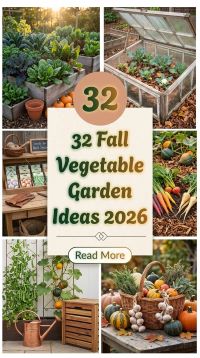
Welcome to your ultimate guide for maximizing your autumn harvest in minimal space with the most innovative fall vegetable garden ideas of 2026. This comprehensive collection features thirty-two fresh, space-saving strategies designed specifically for urban gardeners, balcony growers, and anyone with limited yard space. Each concept focuses on vertical growing techniques, compact varieties, and high-yield methods to ensure your small garden produces abundantly. Discover how to transform fences, walls, and tiny corners into thriving, productive ecosystems that celebrate the crisp autumn season. These designer-approved, sustainable gardening trends prove that you do not need acres of land to enjoy homegrown, organic produce. Prepare to revolutionize your outdoor space with these inspiring, highly efficient gardening transformations that deliver big results from small footprints.
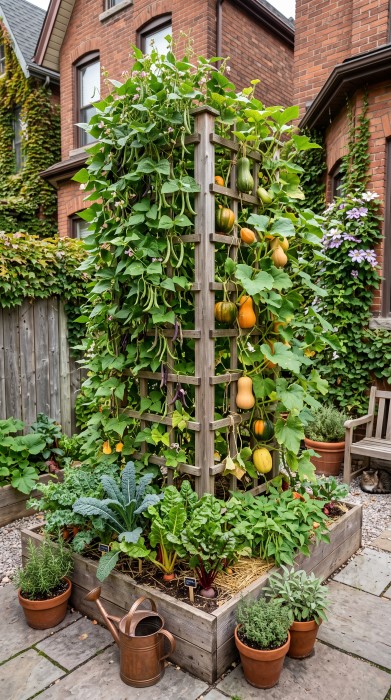
1. Vertical Trellis Tower for Climbing Crops
Transform your limited ground space by building a vertical trellis tower specifically designed for climbing fall crops. This innovative structure allows you to grow pole beans, peas, and compact winter squash upward. By utilizing vertical airspace, you free up valuable soil for companion planting at the base. The tower design improves air circulation, significantly reducing the risk of fungal diseases in cool, damp autumn weather. Harvesting becomes effortless since the produce is elevated and easily visible to the gardener. This space-saving method guarantees a bountiful yield without expanding your garden’s physical footprint.
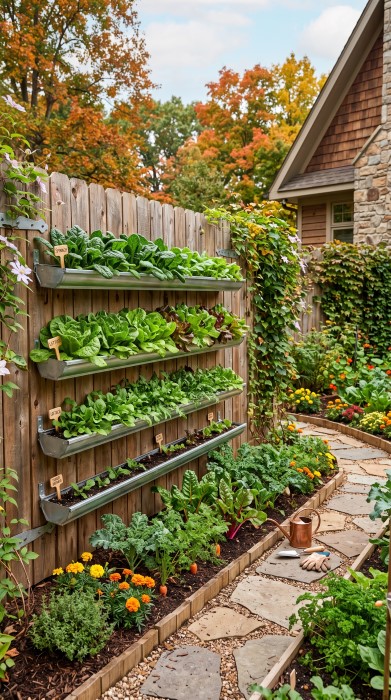
2. Hanging Gutter Gardens for Leafy Greens
Repurpose clean, food-safe rain gutters to create suspended growing channels for shallow-rooted fall crops. Mount these gutters horizontally on fences, walls, or sturdy posts using heavy-duty metal brackets. This method is perfect for cultivating loose-leaf lettuce, spinach, and fresh culinary herbs in tight spaces. The elevated position protects delicate greens from ground-dwelling pests and makes harvesting incredibly ergonomic. You can easily connect multiple gutters to a simple drip irrigation system for automated, consistent watering. This clever upcycling project maximizes vertical space while delivering a continuous, high-yield harvest.
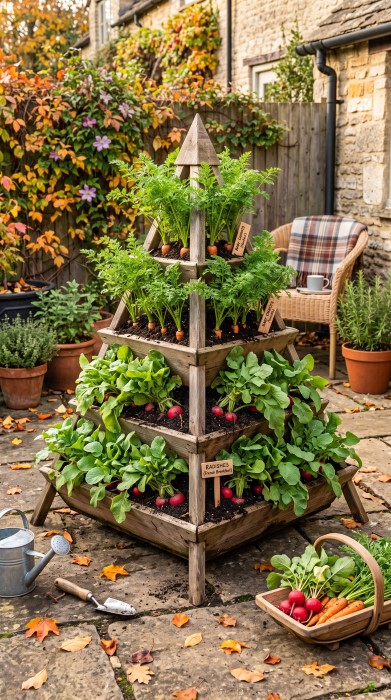
3. Stackable Pyramid Planters for Root Vegetables
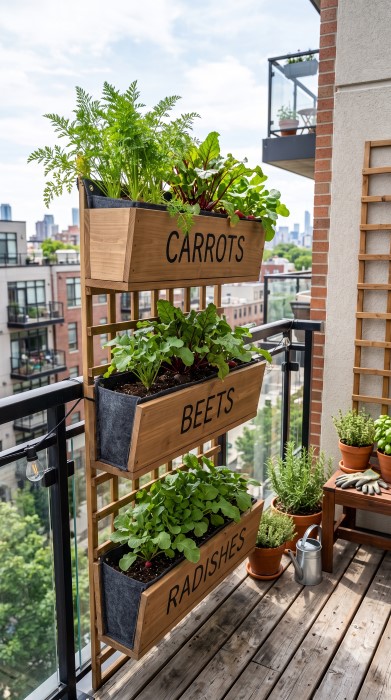
Utilize stackable, tiered pyramid planters to grow root vegetables like radishes, baby carrots, and beets in a minimal footprint. The stepped design allows each layer to receive ample sunlight while preventing the plants from shading one another. This modular system is highly portable, allowing you to move the entire garden to follow the autumn sun. The contained soil warms up faster in the fall, promoting quicker germination and growth. Harvesting is simplified since you can simply lift each tier to access the roots below. This structured approach turns a tiny patio into a highly productive vegetable factory.
4. Wall-Mounted Pocket Planters for Microgreens
Install a heavy-duty, fabric wall-mounted pocket planter to cultivate a continuous supply of fresh microgreens and baby kale. These breathable fabric pockets provide excellent drainage and prevent soil compaction in small spaces. Position the planter on a south-facing wall to maximize the limited autumn sunlight exposure. Microgreens mature in just a few weeks, offering rapid, high-nutrient yields for fall salads. The vertical arrangement keeps the plants away from soil-borne diseases and curious backyard pests. This ultra-compact solution is ideal for balconies, small courtyards, or narrow side yards.
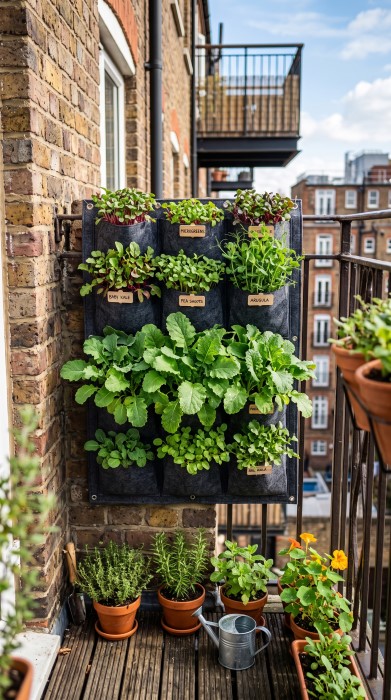
5. Espaliered Winter Squash on Fences
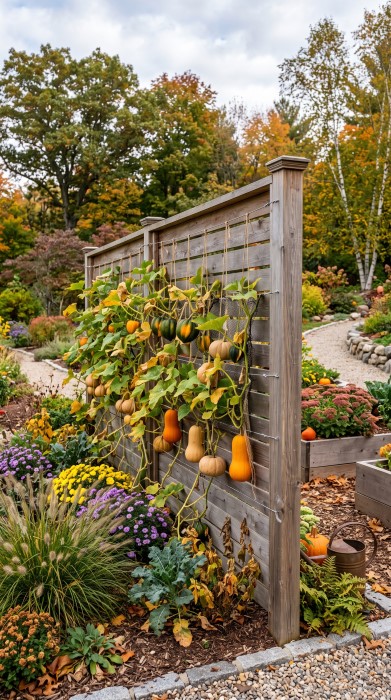
Train compact winter squash varieties, like delicata or bush butternut, to grow flat against a sturdy fence using espalier techniques. Secure the heavy vines with soft plant ties and provide slings for the developing fruit to prevent stem breakage. This method transforms a blank, unused fence line into a highly productive, vertical vegetable canvas. The dark fence material absorbs heat during the day, radiating warmth to the plants during chilly fall nights. Harvesting is incredibly easy since the squash are displayed prominently at eye level. This technique beautifully merges functional food production with structured garden art.
6. Tiered Barrel Planters for Compact Potatoes
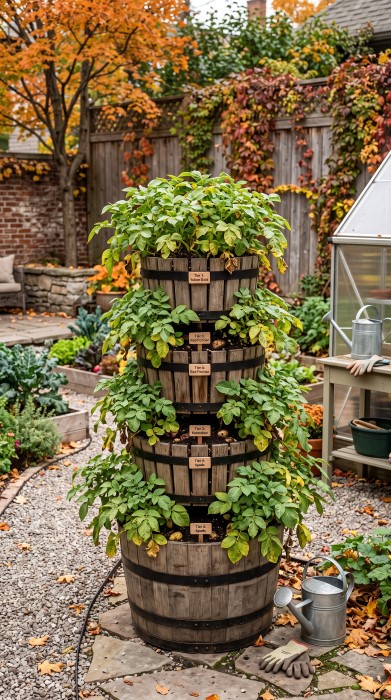
Grow a massive yield of fall potatoes in a fraction of the space by using a tiered, slatted wooden barrel planter. As the potato plants grow, you simply add more soil and straw to the top, encouraging the stems to produce additional tubers. The slatted design ensures perfect drainage and aeration, preventing rot in wet autumn conditions. When harvest time arrives, you can easily dismantle the barrel to uncover a treasure trove of clean, undamaged potatoes. This method eliminates the need for extensive ground tilling and weed control. It is a highly efficient, space-saving technique perfect for small urban plots.
7. Over-the-Fence Planter Boxes for Pole Beans
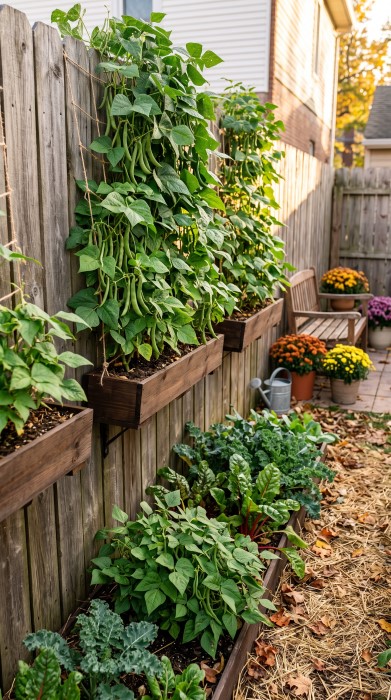
Maximize boundary spaces by attaching narrow, over-the-fence planter boxes to grow vigorous pole beans and climbing peas. These boxes utilize otherwise wasted perimeter space, leaving the center of your yard completely open. The climbing vines naturally create a living green screen, offering privacy and wind protection for other sensitive plants. The deep soil volume in these boxes supports robust root systems for heavy fall yields. Harvesting is incredibly convenient since the pods hang down at arm’s length. This clever design turns a simple property boundary into a highly productive agricultural asset.
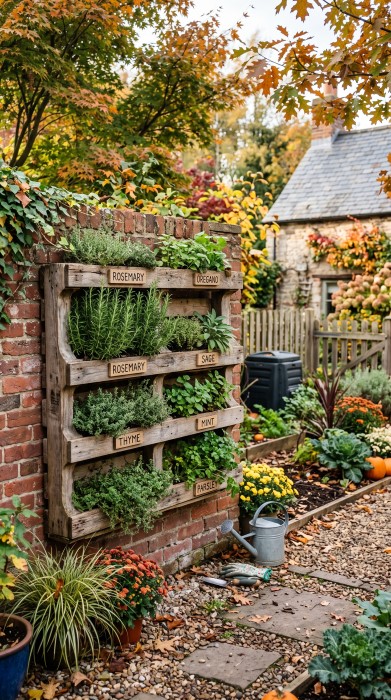
8. Upcycled Pallet Vertical Herb Gardens
Transform a discarded wooden shipping pallet into a stunning, vertical herb garden for your fall culinary needs. Line the back and bottom with landscape fabric, fill the slats with rich potting soil, and plant hardy herbs like rosemary, thyme, and sage. Lay the pallet flat for a few weeks to let the roots establish before standing it upright against a wall. This vertical arrangement keeps herbs accessible and protects them from ground-dwelling pests and heavy autumn rains. The rustic aesthetic adds charming, eco-friendly character to any small garden space. It is a zero-cost, high-reward project for the sustainable autumn gardener.
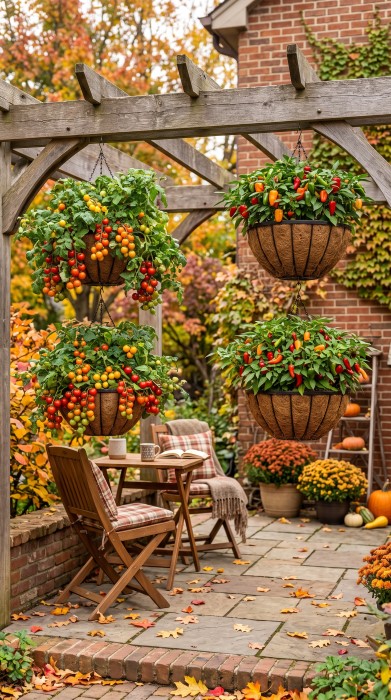
9. Hanging Basket Late Tomatoes and Peppers
Suspend sturdy, large-capacity hanging baskets to grow late-season cherry tomatoes and compact fall pepper varieties. Hanging the plants keeps the fruit clean, prevents soil-borne blight, and deters slugs and snails. Choose trailing or bush varieties that thrive in containers and produce heavily before the first frost. The baskets can be easily moved into a garage or under an awning if an early, unexpected freeze threatens. This method adds lush, cascading greenery to your overhead space while producing a tangible food yield. It is a brilliant way to double your growing area without using any ground space.
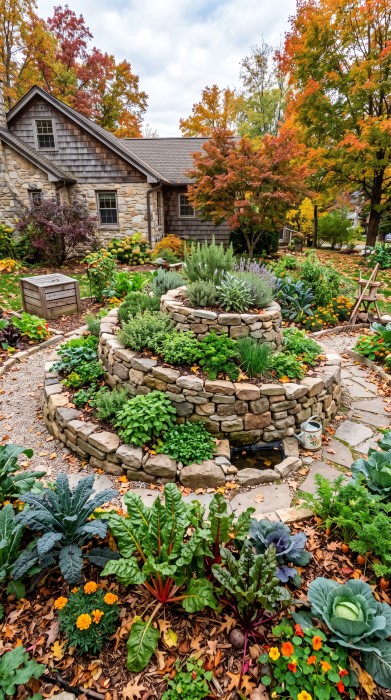
10. Spiral Herb Garden for Maximum Sun Exposure
Construct a stone or brick spiral herb garden to create multiple microclimates in a remarkably small circular footprint. The spiral shape maximizes the surface area for planting while ensuring every plant receives optimal sunlight throughout the day. The top of the spiral stays dry and warm, perfect for Mediterranean herbs like oregano and lavender. The bottom of the spiral retains more moisture, ideal for fall-loving herbs like parsley and cilantro. This permaculture design is visually striking and highly efficient for small-space food production. It turns a simple corner of your yard into a functional, aromatic focal point.
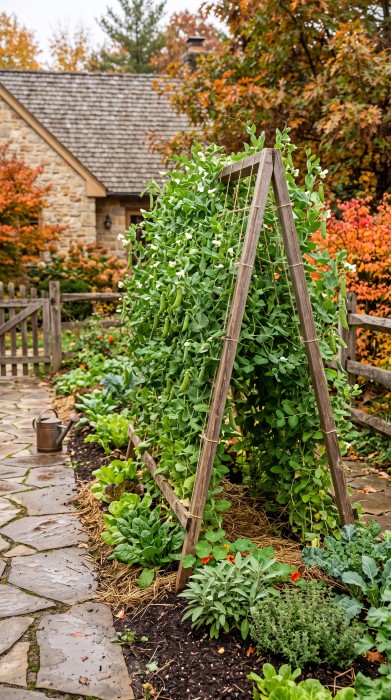
11. A-Frame Trellis for Climbing Peas and Greens
Build a simple, freestanding A-frame trellis to double your growing space in a narrow garden bed. Plant cool-weather crops like sugar snap peas, spinach, and arugula at the base of both sides. As the plants climb, they create a self-shading canopy that protects the soil from drying out. The A-frame structure is lightweight, easy to build, and can be folded flat for winter storage. This design yields twice the amount of produce compared to a flat, horizontal planting bed. It is an ideal solution for long, narrow side yards or community garden plots.
12. Window Box Kale and Chard Displays
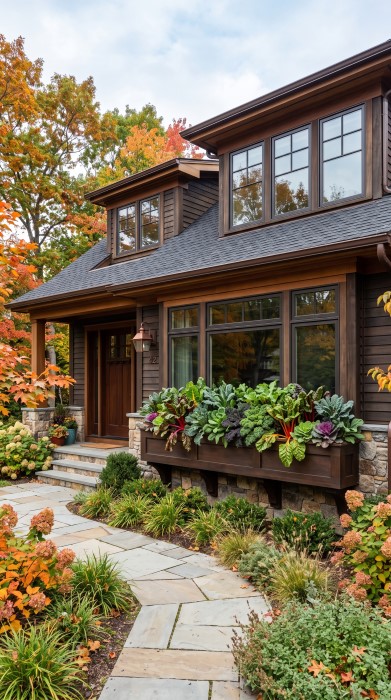
Install deep, reinforced window boxes to cultivate vibrant, nutrient-dense kale and Swiss chard right outside your kitchen. These cold-hardy greens thrive in autumn temperatures and actually taste sweeter after a light frost. The elevated window box position makes daily harvesting for meals incredibly convenient and quick. Choose colorful chard varieties with bright red or yellow stems to add ornamental beauty to your home’s exterior. The boxes utilize vertical wall space, leaving your ground entirely free for other projects. This method seamlessly integrates food production into your home’s architectural aesthetic.
13. Vertical PVC Pipe Towers for Hydroponic Lettuce
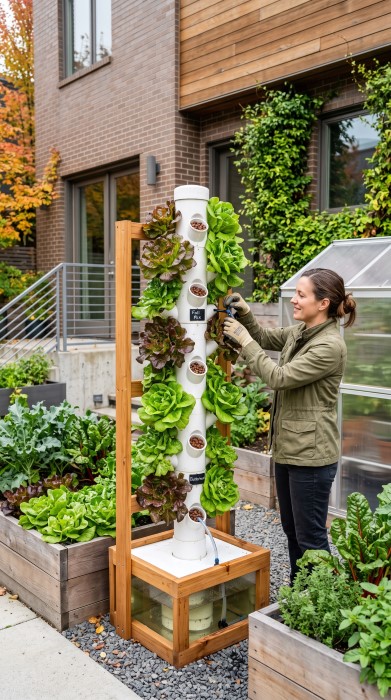
Assemble a vertical hydroponic tower using food-grade PVC pipes to grow crisp fall lettuce without any soil. Drill holes along the pipe, insert net cups, and circulate a nutrient-rich water solution from a small reservoir at the base. This soil-less method uses up to ninety percent less water than traditional gardening and eliminates weeds entirely. The vertical footprint allows you to grow dozens of lettuce heads in a space the size of a single floor tile. Harvesting is as simple as plucking the outer leaves while the plant continues to grow. This high-tech, space-saving solution is perfect for modern, eco-conscious urban gardeners.
14. Square Foot Grid Planting in Raised Beds
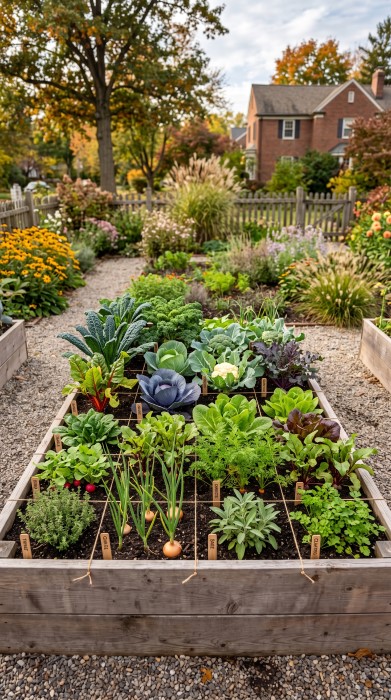
Divide a small, elevated raised bed into a strict one-foot square grid to maximize every inch of soil. Plant different, complementary fall crops in each square, such as four broccoli plants in one and sixteen radishes in another. This intensive planting method eliminates wasted pathways and significantly boosts overall yield per square foot. The raised height improves drainage and warms the soil faster, extending the short autumn growing season. Companion planting within the grid naturally deters pests and improves soil health. This highly organized approach is the gold standard for productive, small-space vegetable gardening.
15. Repurposed Shoe Organizer Wall Garden
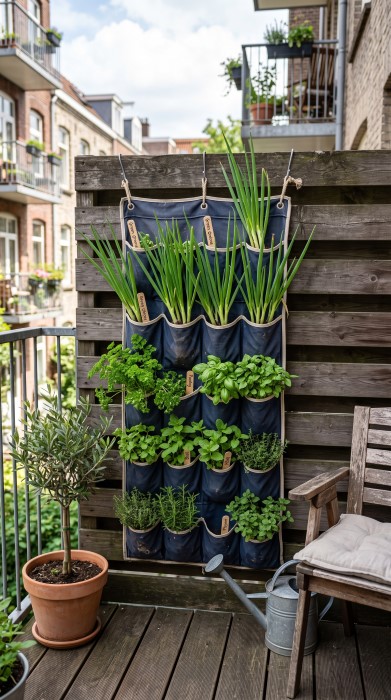
Hang a sturdy, fabric over-the-door shoe organizer on a sunny fence or wall to create an instant vertical garden. Fill each clear pocket with potting soil and plant shallow-rooted crops like strawberries, green onions, and leafy herbs. The transparent pockets allow you to monitor soil moisture levels easily at a glance. This incredibly cheap and accessible solution is perfect for renters or those with zero yard space. The pockets provide excellent drainage and keep the plants neatly organized and off the ground. It is a playful, highly effective way to grow fresh food in unconventional spaces.
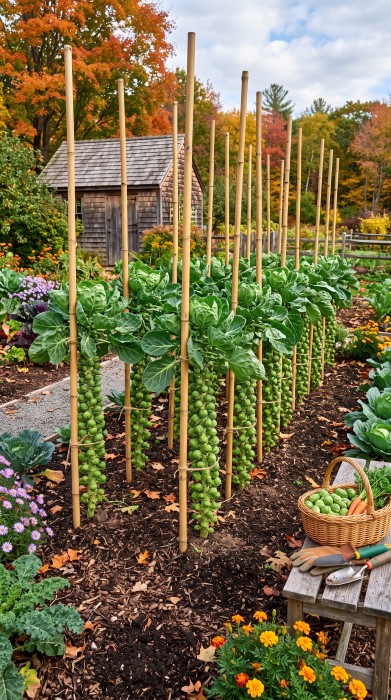
16. Trellised Brussels Sprouts for Vertical Yield
Grow Brussels sprouts vertically by staking each plant individually with a tall, sturdy bamboo pole. This prevents the top-heavy plants from toppling over in windy autumn weather and saves significant ground space. The vertical growth habit improves airflow around the leaves, reducing the likelihood of powdery mildew. As the sprouts develop along the thick central stalk, they are easy to inspect and harvest progressively from the bottom up. Removing the lower leaves as the sprouts mature directs the plant’s energy into producing larger, denser buds. This disciplined growing method ensures a massive, high-quality harvest from just a few plants.
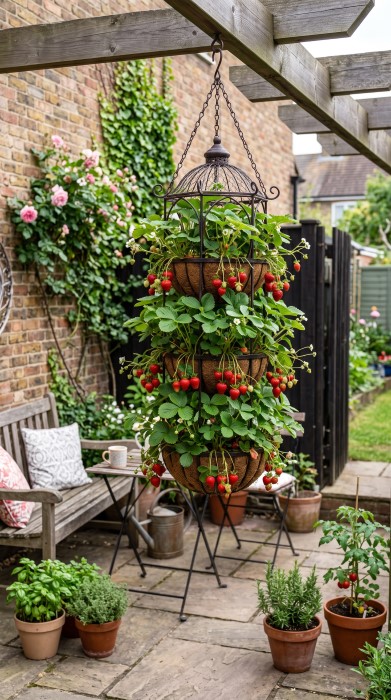
17. Hanging Alpine Strawberry Planters
Suspend specialized, multi-pocket strawberry planters to grow sweet alpine strawberries that fruit heavily into the late fall. The tiered, lantern-like design allows you to grow up to twenty plants in the footprint of a single pot. The elevated position keeps the delicate fruit clean, dry, and completely out of reach of slugs and rodents. Alpine varieties do not produce runners, making them perfectly suited for contained, vertical environments. The cascading greenery and bright red berries add a beautiful, edible ornamental element to your patio. This method guarantees a continuous, space-efficient supply of fresh berries.
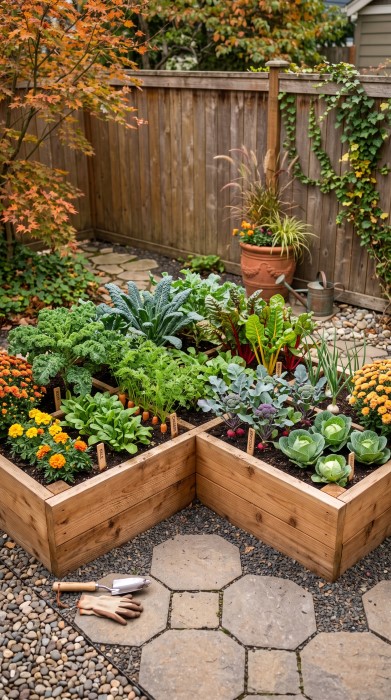
18. Corner L-Shaped Raised Beds for Efficiency
Construct an L-shaped raised bed to perfectly fit into an unused corner of your yard or patio. This design maximizes planting area while minimizing the amount of lumber and soil required for construction. The corner placement provides two sides of natural wind protection, creating a warmer microclimate for fall crops. You can easily reach the center of the bed from two sides, eliminating the need for compacted walking paths. Plant tall crops like corn or stakes on the back sides to shield shorter, delicate greens. This geometric approach is the ultimate space-saving solution for awkward yard layouts.
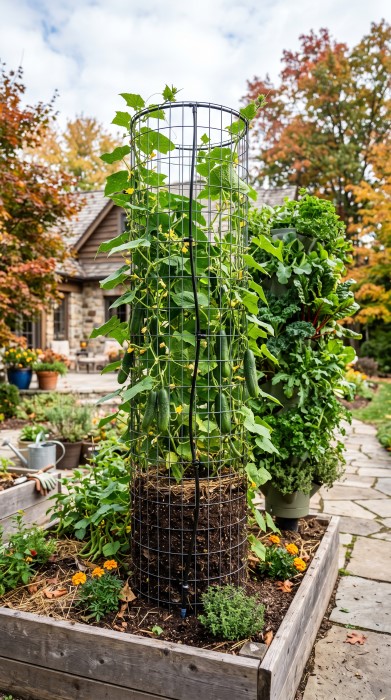
19. Vertical Cucumber Towers with Drip Irrigation
Build a cylindrical wire mesh tower to train fall cucumber varieties to grow straight up instead of sprawling across the ground. The open wire structure allows for excellent air circulation, which is crucial for preventing mildew in humid autumn weather. Wrap a simple drip irrigation line around the inside of the tower to deliver water directly to the roots, conserving moisture. The cucumbers will hang straight down, growing perfectly uniform and easy to spot during harvest. This vertical method can yield three times more produce than traditional horizontal mounds. It transforms a single square foot of ground into a towering, highly productive crop column.
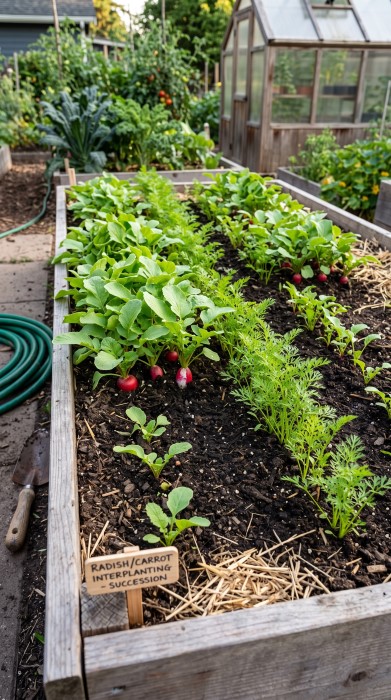
20. Interplanting Radishes with Slow-Growing Carrots
Maximize your garden bed efficiency by interplanting fast-growing radishes between rows of slow-maturing fall carrots. The radishes sprout and mature in just three weeks, loosening the soil for the developing carrot roots beneath. By the time the carrots need the extra space, the radishes are already harvested and eaten. This succession planting technique ensures that no square inch of soil sits idle or goes to waste. The radish foliage also acts as a living mulch, suppressing weeds and retaining soil moisture. This intelligent pairing is a cornerstone of high-yield, small-space organic gardening.
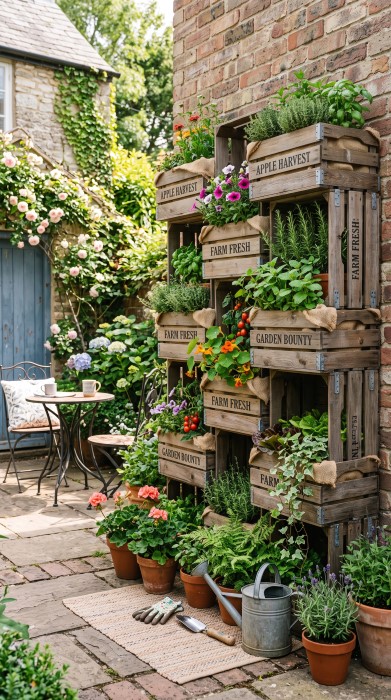
21. Stackable Crate Gardens for Modular Harvesting
Repurpose sturdy, wooden fruit crates by lining them with landscape fabric to create modular, stackable garden boxes. You can stack these crates two or three high to build a custom vertical wall tailored to your available space. Each crate can be dedicated to a specific crop, such as herbs, lettuce, or trailing tomatoes, allowing for easy crop rotation. The modular design means you can easily remove or rearrange individual crates as your gardening needs change. The rustic wood aesthetic blends beautifully with any autumn landscape or patio decor. This flexible system is perfect for renters who need a portable, high-yield garden.
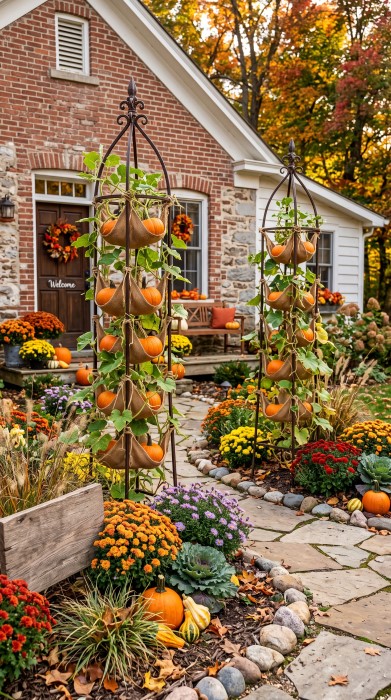
22. Obelisk Trellises for Compact Pumpkin Varieties
Erect elegant, metal obelisk trellises in small garden beds to support compact, pie-sized pumpkin varieties. Training pumpkins vertically prevents the large leaves from shading out neighboring plants and saves immense amounts of ground space. As the pumpkins grow, support them with soft fabric slings tied to the trellis to prevent the stems from snapping under the weight. The vertical display turns a functional vegetable into a striking, architectural garden feature. Harvesting is simplified since the pumpkins are elevated and easy to cut from the vine. This method brings a festive, autumnal aesthetic to even the tiniest of gardens.
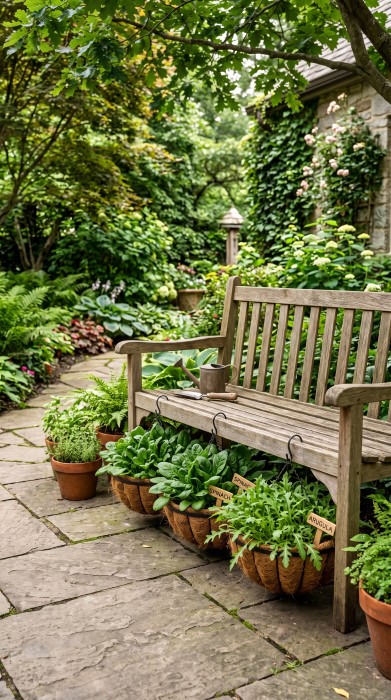
23. Under-Bench Hanging Baskets for Shade-Loving Greens
Utilize the often-wasted space beneath a garden bench or table by hanging baskets of shade-loving fall greens. Crops like spinach, arugula, and certain varieties of lettuce thrive in the partial shade provided by the furniture above. This clever placement protects the delicate leaves from the harsh, drying winds of late autumn. The hanging baskets keep the produce clean and easily accessible for quick salad harvesting. It transforms a dead zone under furniture into a highly productive, secondary growing area. This dual-purpose design maximizes every available cubic foot of your outdoor space.
24. Vertical Grow Bags for Space-Saving Root Crops
Plant root vegetables like potatoes, sweet potatoes, and turnips in tall, fabric vertical grow bags. These breathable bags prevent root circling and promote healthier, larger vegetable development compared to rigid plastic pots. As the plants grow, you simply roll down the top of the bag and add more soil, a process known as “hilling.” This method requires zero ground digging and can be placed on concrete, decks, or balconies. At harvest time, you simply tip the lightweight bag over to easily sift through the soil for your crop. It is the ultimate low-effort, high-reward solution for urban root vegetable cultivation.
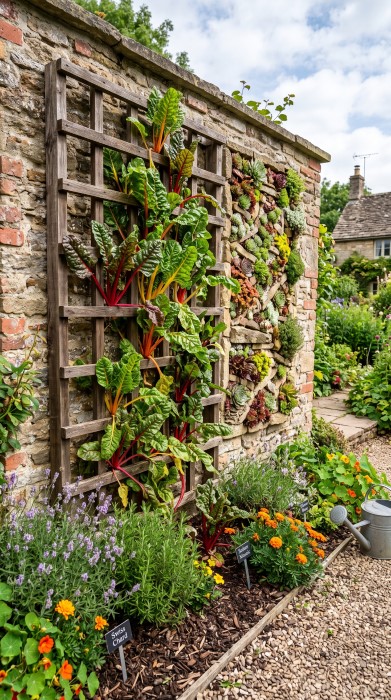
25. Wall-Mounted Lattice for Climbing Swiss Chard
Install a decorative wooden lattice against a sunny wall and train vibrant Swiss chard to climb using soft garden twine. While chard is typically grown as a low bush, staking it vertically saves significant ground space and improves air circulation. The colorful stems of the chard create a stunning, living mosaic against the wooden lattice backdrop. This vertical method also keeps the leaves cleaner and further from soil-splashing rain. Harvesting is highly efficient, as you can pick the outer leaves progressively from top to bottom. This technique beautifully merges ornamental landscaping with practical food production.
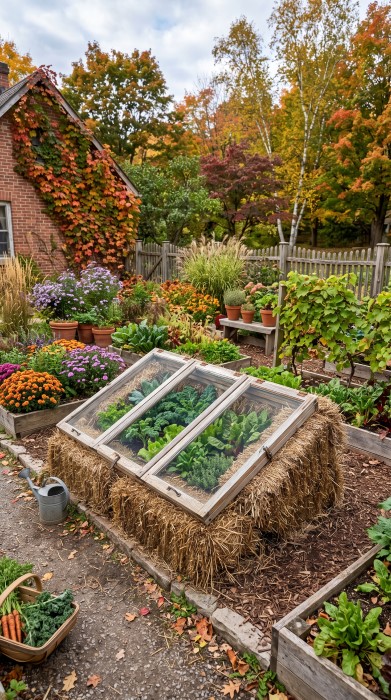
26. Miniature Greenhouse Cold Frames for Fall Extension
Build a simple, sloped cold frame using recycled glass windows and straw bales to extend your fall harvest. This miniature greenhouse traps solar heat, protecting tender crops like lettuce and radishes from early frosts. The sloped glass maximizes sunlight absorption during the short, low-angle days of autumn. You can easily prop the lid open on warm days to prevent the plants from overheating. This simple structure can add weeks, or even months, to your growing season in a tiny footprint. It is an essential, space-efficient tool for any serious small-space autumn gardener.
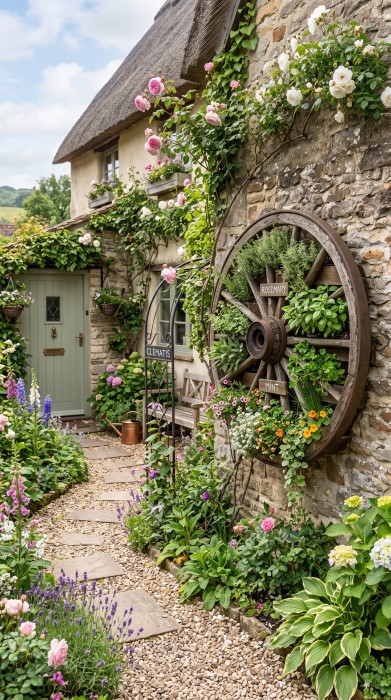
27. Tiered Wagon Wheel Planter for Compact Spaces
Construct a tiered planter using a large, rustic wagon wheel as the central support for concentric circles of planting pockets. This unique vertical structure allows you to grow herbs, strawberries, and trailing greens in a highly decorative, space-saving format. The wheel can be mounted flat against a fence or stood upright for a striking, three-dimensional display. Each tier receives different levels of sun and moisture, allowing for diverse plantings in one compact unit. The rustic aesthetic adds immense charm to small patios, balconies, or cottage gardens. It is a conversation-starting piece that delivers genuine agricultural utility.
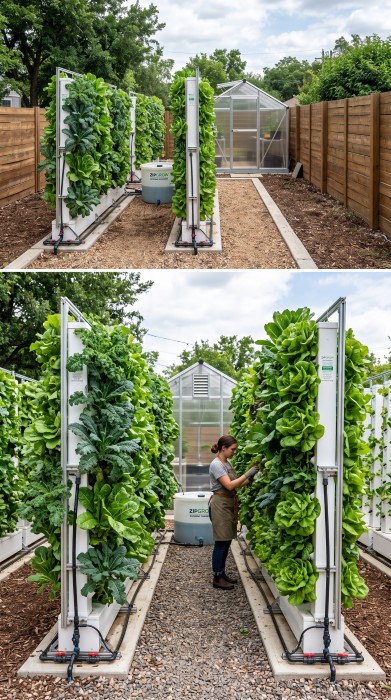
28. Vertical ZipGrow Towers for High-Density Greens
Install commercial-style ZipGrow vertical towers in your backyard to achieve maximum crop density in a minimal footprint. These specialized towers feature internal planting media that wicks water and nutrients efficiently from a central column. You can grow dozens of heads of lettuce, kale, or herbs in a single tower that occupies less than two square feet of ground. The system is highly resistant to pests and diseases due to the elevated, soil-free environment. Harvesting is incredibly fast, as you simply slide the individual planting strips out of the tower. This cutting-edge method brings professional farming efficiency to the home garden.
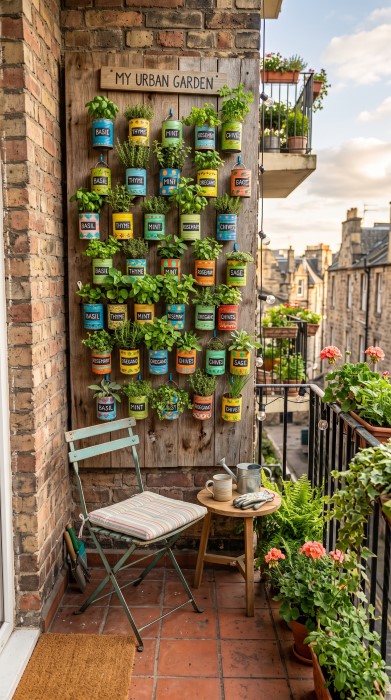
29. Upcycled Tin Can Vertical Herb Wall
Collect and clean large, empty tin cans, then paint them in vibrant, weather-resistant colors for a cheerful vertical herb wall. Mount the cans in staggered rows on a wooden board or directly onto a sunny fence using heavy-duty screws. Plant compact, hardy fall herbs like chives, oregano, and thyme in the well-drained cans. This ultra-budget project recycles waste materials while providing a highly functional, space-saving garden. The metallic cans heat up quickly in the sun, giving heat-loving herbs a slight autumnal boost. It is a playful, eco-friendly solution for growing fresh flavors in tight spaces.
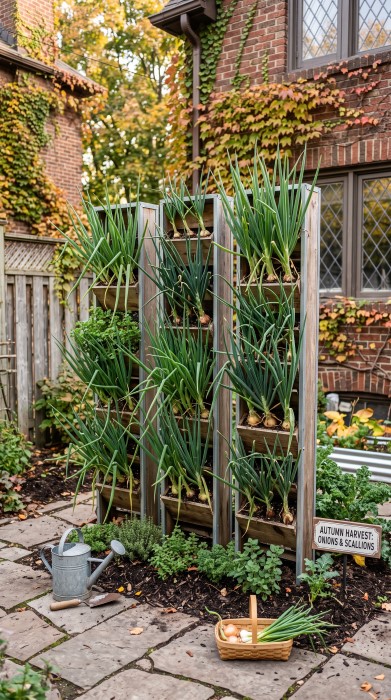
30. Vertical Onion and Scallion Towers
Grow a massive quantity of fall onions and scallions by planting them densely in tall, narrow vertical planters or deep buckets. The upright growth habit of alliums makes them perfectly suited for vertical, space-constrained environments. You can continuously harvest the green tops of scallions while allowing the bulbs below to mature. The narrow footprint of the tower leaves the rest of your garden bed open for wider, sprawling crops. The strong scent of the onions also acts as a natural deterrent for many common garden pests. This highly efficient method guarantees a steady supply of essential culinary aromatics.
31. Modular Stackable Planter Cubes for Balconies
Utilize interlocking, stackable planter cubes to build a custom, vertical garden wall on a small balcony or patio. These modular units can be configured in endless patterns to fit awkward spaces or specific aesthetic preferences. Each cube features a built-in reservoir that wicks water upward, reducing watering frequency and preventing root rot. You can dedicate individual cubes to different fall crops, creating a diverse, salad-bar-style garden. The lightweight, durable plastic is easy to move and clean at the end of the season. This modern system is the ultimate solution for high-yield, zero-ground-space gardening.
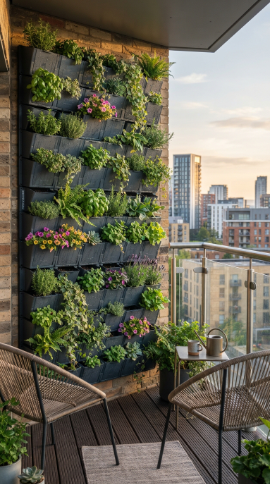
32. Living Wall Salad Bar with Drip Irrigation
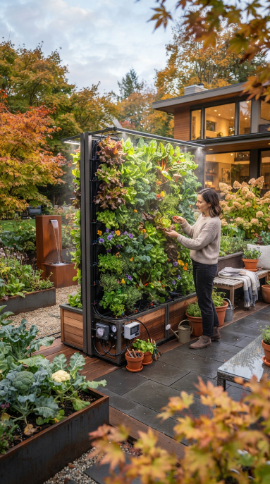
Install a comprehensive, living wall salad bar system complete with an automated, low-volume drip irrigation network. This setup allows you to grow a continuous succession of loose-leaf lettuces, mustards, and spinach vertically on a single wall. The automated watering ensures consistent moisture, which is critical for preventing bitter-tasting fall greens. You can harvest individual leaves daily, and the plants will continuously regenerate from the center. This system turns a blank, unused wall into a highly productive, self-sustaining food source. It is the pinnacle of space-saving, high-tech autumn vegetable gardening.
Thank you for exploring these 32 fall vegetable garden ideas designed to help you maximize your harvest and save space in 2026. Each concept demonstrates that you do not need a massive yard to enjoy the profound satisfaction and health benefits of homegrown, organic produce. Remember that the most successful small-space gardens rely on smart vertical planning, intensive planting methods, and a willingness to experiment with compact crop varieties. Whether you choose to build a vertical trellis tower, install a living wall salad bar, or repurpose simple household items, these strategies will transform your outdoor area. Take inspiration from these fresh, sustainable trends, gather your seeds, and begin cultivating the highly productive, space-saving garden of your dreams. Your bountiful, beautiful autumn harvest awaits to nourish your family and delight your senses throughout the season.