
Discover stunning fall landscaping ideas that transform your outdoor spaces into vibrant autumn sanctuaries for 2026. This comprehensive guide covers front yards, backyards, and side yards, offering practical yet beautiful solutions to celebrate the season’s rich colors and textures. Each concept blends horticultural expertise with design aesthetics to create inviting environments that thrive as temperatures drop. Learn how to select resilient plants, incorporate hardscaping elements, and use lighting to extend the beauty of your landscape well into winter. These inspiring ideas cater to various property sizes and styles, ensuring every homeowner can find their perfect autumnal inspiration. Embrace the crisp air and golden hues with a landscape that welcomes the change of seasons with grace and style.
1. Maple Tree Focal Points
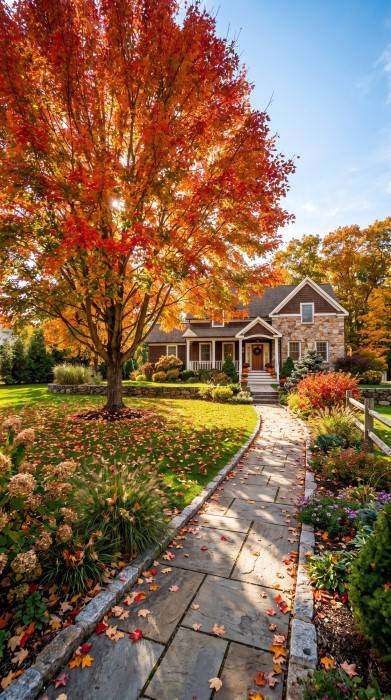
Plant Japanese or Sugar Maples as central focal points to showcase the brilliant reds, oranges, and yellows that define the autumn season. These deciduous trees provide a dramatic canopy of color that reflects beautifully on windows and pathways, creating a warm, inviting atmosphere. Their structured branching patterns add architectural interest even after leaves fall, ensuring year-round visual appeal. Position them near entryways or patios to maximize visibility from indoor living spaces. The dappled sunlight filtering through their changing leaves creates a magical, dynamic light show daily. This classic choice anchors your landscape with timeless seasonal beauty.
2. Ornamental Grass Plumes
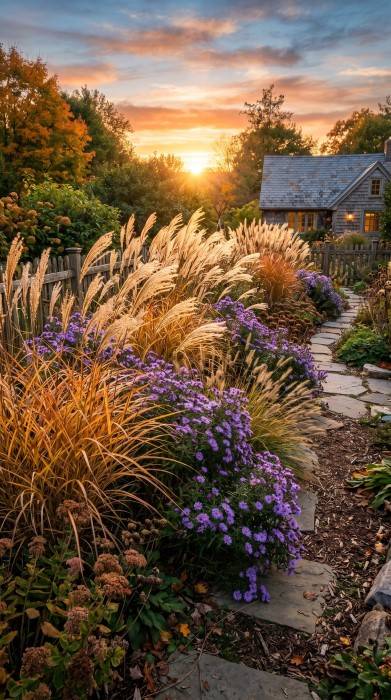
Incorporate tall ornamental grasses like Miscanthus or Panicum to add movement, texture, and vertical interest to your fall garden beds. Their feathery plumes catch the low autumn light, glowing in shades of gold, bronze, and copper against darker backgrounds. These hardy perennials require minimal maintenance and provide structure when other flowers begin to fade. Plant them in clusters to create soft, flowing borders that sway gently in the crisp fall breeze. The dried seed heads persist into winter, offering food for birds and continued visual interest. This element brings a natural, wild elegance to manicured landscapes.
3. Chrysanthemum Container Displays
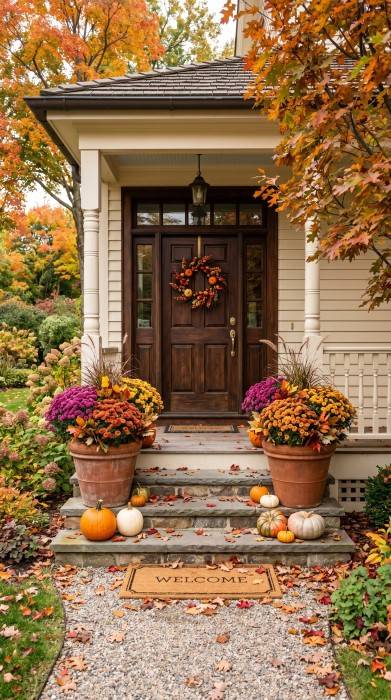
Fill large ceramic or terracotta pots with vibrant chrysanthemums in deep purples, burnt oranges, and sunny yellows for instant seasonal color. Place these containers on porches, steps, or patio corners to create welcoming bursts of warmth at eye level. Mums are affordable, long-blooming, and available in a wide variety of shapes and sizes to suit any style. Group different colors together for a bold statement or stick to monochromatic schemes for sophistication. Replace spent blooms regularly to keep the display looking fresh throughout the season. This simple update offers high impact with low effort.
4. Stone Pathway Lighting
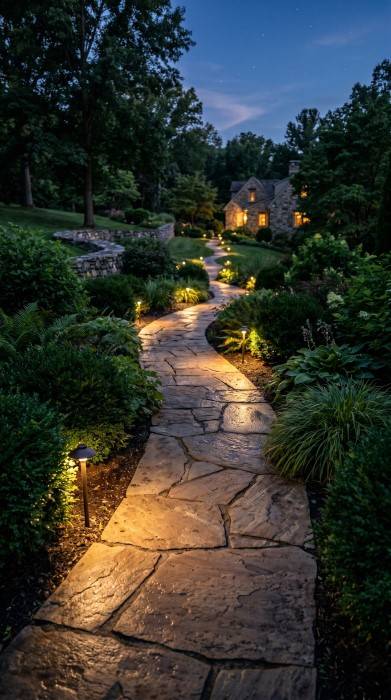
Install low-voltage LED path lights along stone walkways to illuminate safe passage while highlighting the texture of hardscaping materials. Choose warm-white bulbs that enhance the earthy tones of flagstone, pavers, or gravel without creating harsh glare. Solar-powered options are eco-friendly and easy to install, requiring no wiring or electrical work. Position lights to cast subtle shadows that add depth and drama to the landscape after dusk. This safety feature also extends the usability of your outdoor spaces for evening strolls. It transforms a functional path into a magical nighttime journey.
5. Berry-Producing Shrubs
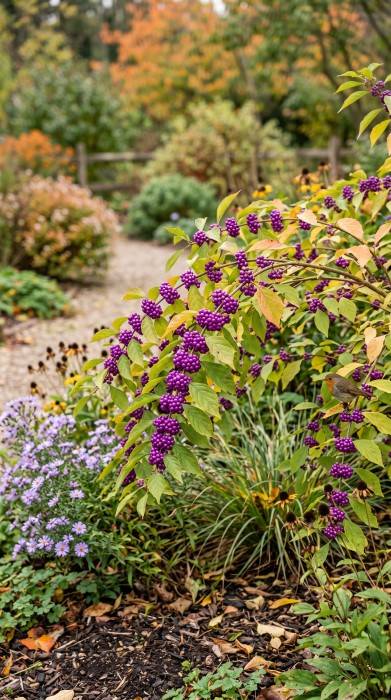
Plant shrubs like Winterberry Holly, Beautyberry, or Cranberry Bush that produce bright red, purple, or orange berries in late summer and fall. These colorful fruits provide a striking contrast against green or turning foliage, adding pops of jewel-toned vibrancy. They also serve as essential food sources for migrating birds and local wildlife during the cooler months. The berries often persist into winter, offering continued visual interest after leaves have dropped. Prune selectively to encourage dense growth and maximum fruit production. This dual-purpose planting supports ecology while enhancing aesthetics.
6. Rustic Wooden Bench Nooks
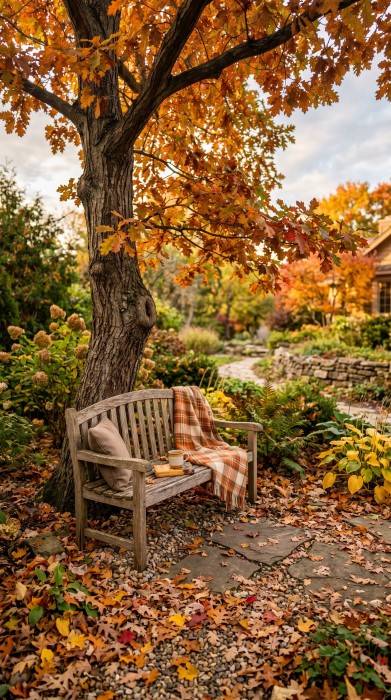
Create cozy seating areas using rustic wooden benches placed under canopy trees or near garden features for quiet reflection. Choose weather-resistant woods like teak or cedar that age gracefully to a silvery gray, complementing the autumn palette. Position benches to face scenic views, such as a flower bed or water feature, encouraging relaxation. Add a thick, weather-resistant cushion in a fall color like rust or mustard for extra comfort. This invitation to sit and stay enhances the emotional connection to your outdoor space. It turns a passive landscape into an active living room.
7. Late-Blooming Asters
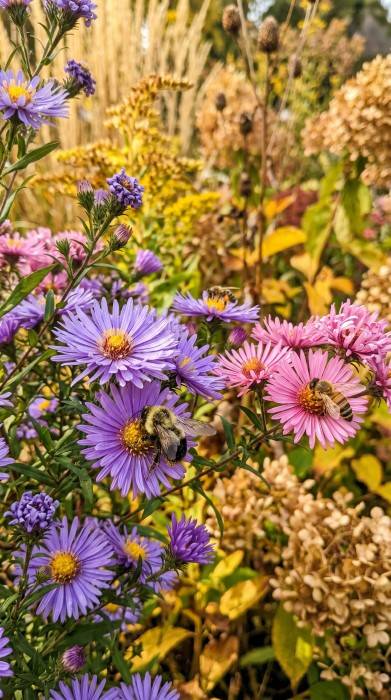
Integrate Asters into your perennial borders to provide a surge of purple, pink, and white flowers when most other plants are fading. These hardy natives attract pollinators like bees and butterflies that are active late into the season, supporting ecosystem health. Their daisy-like blooms add a cheerful, informal charm to formal or cottage-style gardens. Plant them in drifts for maximum visual impact against the backdrop of turning foliage. Asters are drought-tolerant once established and require little care beyond occasional deadheading. They ensure your garden remains colorful and lively until the first frost.
8. Decorative Pumpkin Patches
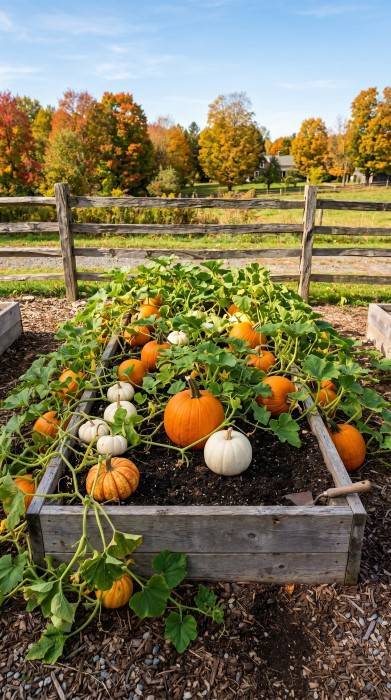
Designate a small garden bed or raised planter for growing decorative pumpkins and gourds for a functional, harvest-themed display. Choose varieties with interesting shapes, colors, and textures, such as white Casper pumpkins or warty Knucklehead gourds. Allow vines to sprawl naturally or train them up trellises to save space and add vertical interest. Harvest them at peak maturity to use as natural decor on porches or tables. This edible landscaping element connects your home to agricultural traditions and seasonal cycles. It provides both beauty and utility in a single planting.
9. Evergreen Structure Layers
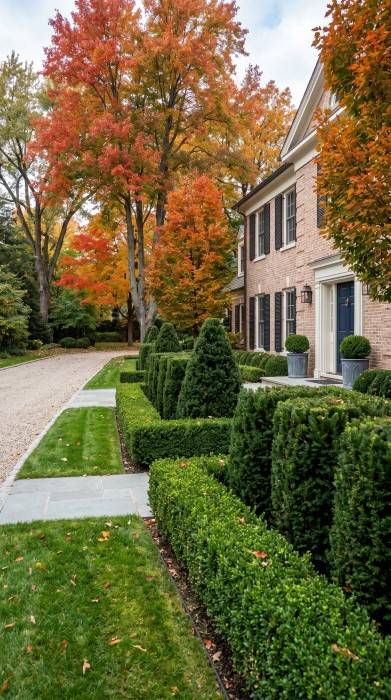
Use evergreen shrubs and trees like Boxwood, Yew, or Arborvitae to provide structural backbone and year-round greenery. These plants maintain their form and color when deciduous plants lose their leaves, preventing the landscape from looking bare in late fall. Layer different heights and textures of evergreens to create depth and privacy screens. Trim them into neat shapes for formal gardens or let them grow naturally for informal settings. Their consistent presence anchors the changing colors of seasonal plants. This foundational element ensures your landscape looks intentional in every season.
10. Fire Pit Gathering Circles
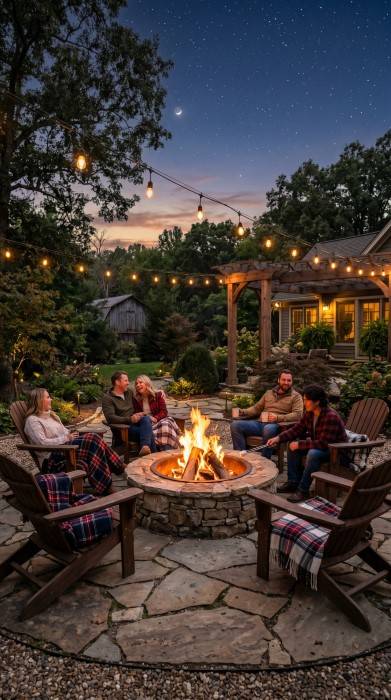
Install a stone or metal fire pit surrounded by comfortable seating to create a warm social hub for cool autumn evenings. Choose a location visible from the house but secluded enough for intimacy, perhaps near a tree line or garden edge. Use natural stone pavers or gravel to define the circle and protect the grass from heat and foot traffic. Add throw blankets and pillows in weather-resistant fabrics to enhance comfort and style. The flickering flames provide heat, light, and a mesmerizing focal point for conversation. This feature extends the usability of your backyard well into the colder months.
11. Sedum Ground Cover Carpets
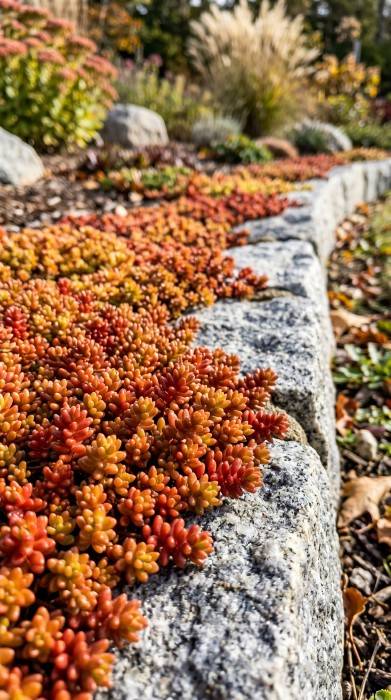
Plant Sedum varieties as ground cover to create carpets of red, orange, and yellow foliage that intensify in color during fall. These succulents are drought-tolerant, low-maintenance, and thrive in poor soil, making them ideal for difficult spots like slopes or rock gardens. Their fleshy leaves store water, allowing them to remain vibrant even during dry autumn spells. Use them to edge pathways or fill gaps between stepping stones for a soft, colorful border. The dense growth suppresses weeds and prevents soil erosion. This practical choice adds significant color with minimal effort.
12. Vertical Ivy Walls
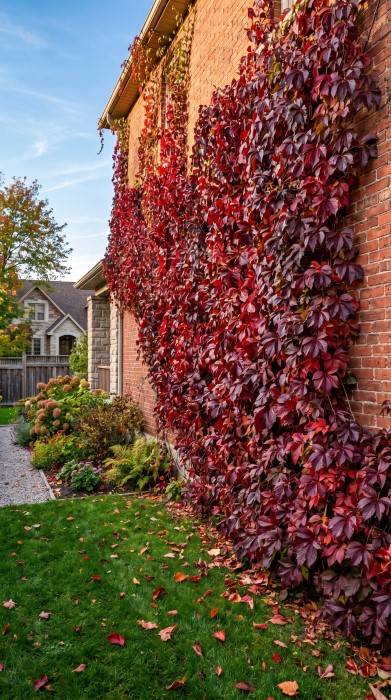
Train climbing ivy or Virginia Creeper up walls, fences, or arbors to create living tapestries that turn brilliant shades of red and purple. Virginia Creeper is particularly spectacular in fall, offering fiery foliage that rivals any maple tree. Ensure the surface is sturdy and suitable for climbing plants to avoid damage to siding or mortar. Prune regularly to control growth and direct the vines toward desired areas. The vertical greenery adds height and softens hard architectural lines before transforming into a autumnal masterpiece. This technique maximizes color in small spaces like side yards.
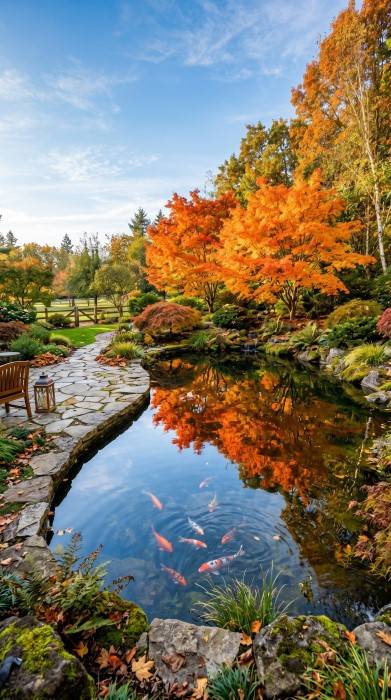
13. Water Feature Reflections
Incorporate a small pond, fountain, or birdbath to reflect the changing sky and surrounding fall foliage. The still water acts as a mirror, doubling the visual impact of colorful trees and clouds above. Moving water adds soothing sound that masks neighborhood noise and creates a tranquil atmosphere. Line the edges with moisture-loving plants like Ferns or Japanese Iris for a lush, natural look. Keep the water clean and circulating to prevent algae and mosquito breeding. This element adds serenity and dynamic visual interest to any landscape.
14. Native Oak Underplantings
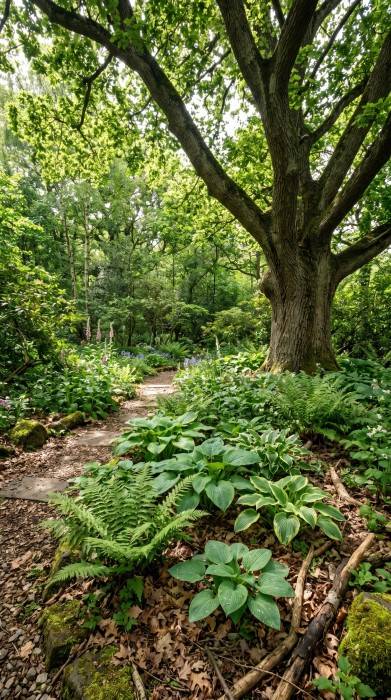
Plant shade-tolerant native perennials like Ferns, Hostas, and Wild Ginger beneath Oak trees to utilize unused space effectively. These plants thrive in the dappled light and leaf litter provided by mature oaks, creating a layered, woodland aesthetic. As oak leaves turn brown and fall, they provide natural mulch that enriches the soil for these understory plants. The contrast between the rough bark of the oak and the delicate fronds of ferns adds textural diversity. This ecological approach supports local biodiversity and reduces maintenance needs. It creates a peaceful, forest-like retreat in your own yard.
15. Cortaderia Grass Plumes
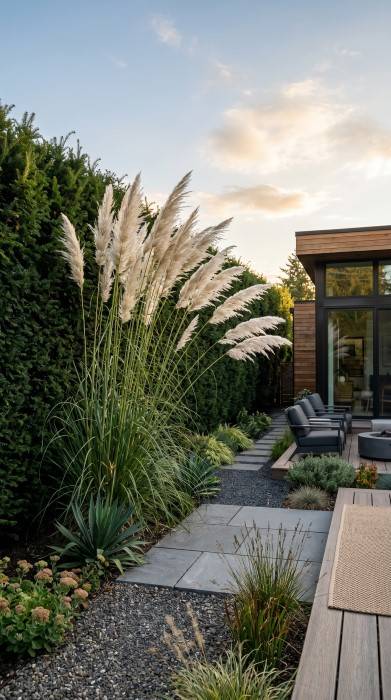
Add tall, dramatic Cortaderia grass to create bold vertical accents with fluffy, silver-white plumes that stand out against dark backgrounds. These imposing plants can reach up to 10 feet tall, making them perfect for screening unsightly views or creating privacy walls. Their plumes catch the wind and light, adding movement and ethereal beauty to the landscape. Plant them in groups of three or five for maximum impact and stability. Be mindful of their invasive potential in some regions and choose sterile cultivars if necessary. They provide striking winter interest after other plants have died back.
16. Stone Retaining Walls
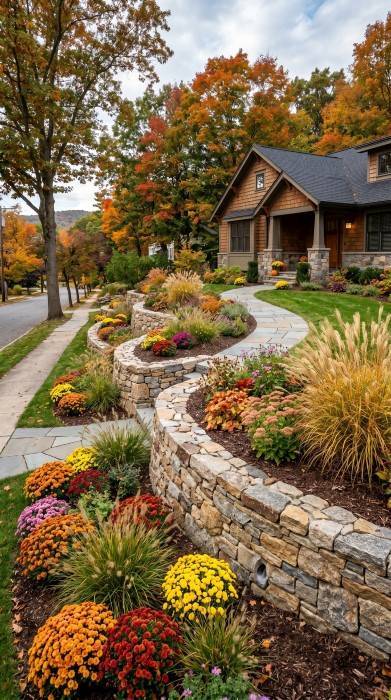
Build low stone retaining walls to manage slope erosion while creating tiered planting beds for diverse fall displays. Use natural fieldstone or stacked slate for a rustic look that blends seamlessly with the autumn environment. Plant trailing vines like Creeping Phlox or Sedum over the edges to soften the hard lines of the stone. The tiers allow for better drainage and sun exposure for different plant types. This hardscaping element adds architectural structure and prevents soil loss during heavy fall rains. It transforms challenging terrain into a functional, beautiful feature.
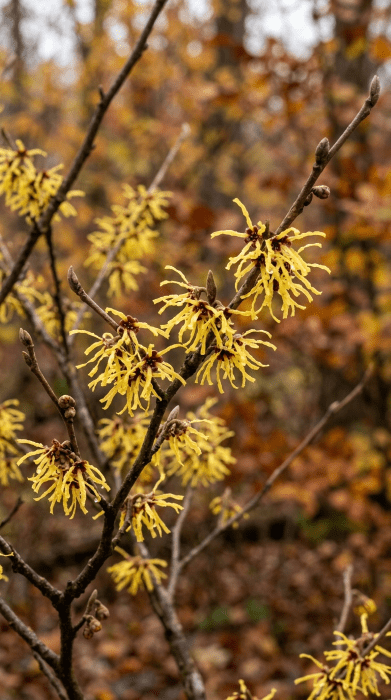
17. Witch Hazel Blooms
Plant Witch Hazel shrubs that offer unique, spidery yellow or red flowers in late fall after most other plants have gone dormant. Their fragrant blooms appear on bare branches, providing unexpected color and scent when the garden is quiet. The leaves of some varieties also turn brilliant shades of yellow and orange before dropping. This multi-season interest makes Witch Hazel a valuable addition to any fall landscape. It attracts early-pollinating insects and adds a touch of whimsy to the winter transition. Its unconventional beauty stands out in a sea of traditional fall colors.
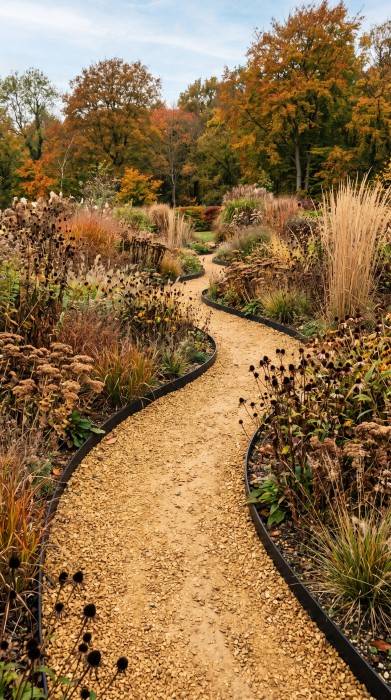
18. Gravel Garden Paths
Lay gravel paths through garden beds to provide accessible, permeable walkways that crunch satisfyingly underfoot. Choose crushed granite or pea gravel in warm tones like gold or rust to complement fall colors. Edge the paths with metal or stone to keep the gravel contained and maintain a clean appearance. Gravel drains quickly, preventing muddy puddles during rainy autumn days. It allows for easy changes to plantings without damaging permanent hardscape. This low-cost solution adds texture and definition to informal garden designs.
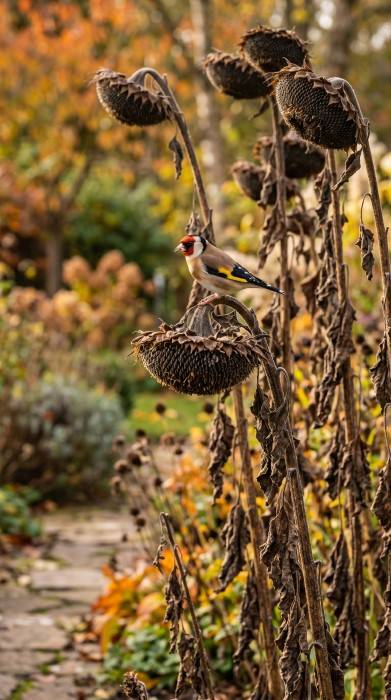
19. Sunflower Seed Heads
Leave dried Sunflower stalks standing in the garden to provide food for birds and sculptural interest through the fall and winter. The large, dark seed heads contrast beautifully with the pale sky and turning leaves, adding a rustic, artistic element. Birds like chickadees and finches will visit to feed, bringing life and movement to the quiet garden. Cut them down in early spring before new growth begins to tidy up the space. This practice supports local wildlife and reduces garden cleanup workload. It embraces the natural cycle of decay and renewal.
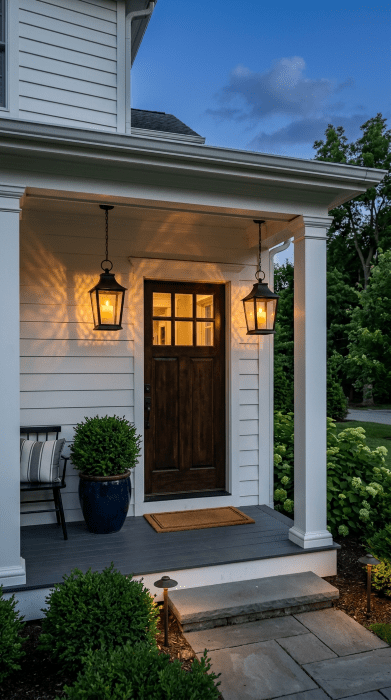
20. Lantern-Lit Entryways
Hang metal or glass lanterns with LED candles on porch posts or hook them from tree branches to guide guests warmly. Choose designs with cut-out patterns that cast intricate shadows on walls and pathways, adding visual intrigue. Solar-powered lanterns are convenient and energy-efficient, automatically turning on at dusk. Group them in clusters for greater impact or line them along walkways for guidance. The warm glow creates a welcoming beacon that contrasts with the cooling evening air. This decorative lighting enhances safety and ambiance simultaneously.
21. Dogwood Cornus Mas
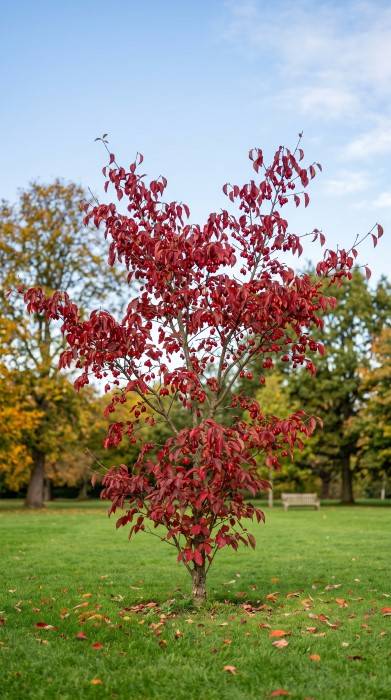
Plant Cornelian Cherry Dogwoods for their stunning crimson fall foliage and bright red fruit that persists into winter. These small trees offer multi-season interest, with yellow spring flowers, green summer leaves, and fiery autumn color. The fruit is edible and attracts birds, adding ecological value to your landscape. Their horizontal branching pattern provides architectural elegance even when bare. They thrive in partial shade, making them ideal for understory planting. This versatile tree is a powerhouse of seasonal beauty.
22. Raised Bed Herb Gardens
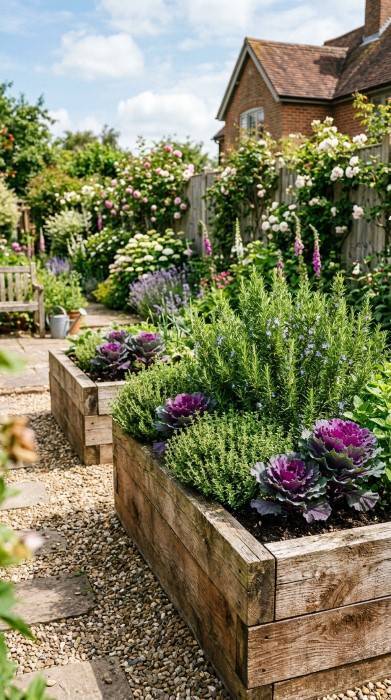
Construct raised wooden beds for growing hardy herbs like Rosemary, Thyme, and Sage that thrive in cool fall weather. The elevated design improves drainage and makes harvesting easier without bending over. Herbs release aromatic scents when brushed against, enhancing the sensory experience of the garden. Use the wood’s natural grain and weathering to add rustic charm to the landscape. Interplant with ornamental kale or pansies for added color and texture. This functional garden provides fresh ingredients for autumn cooking.
23. Birch Tree Groves
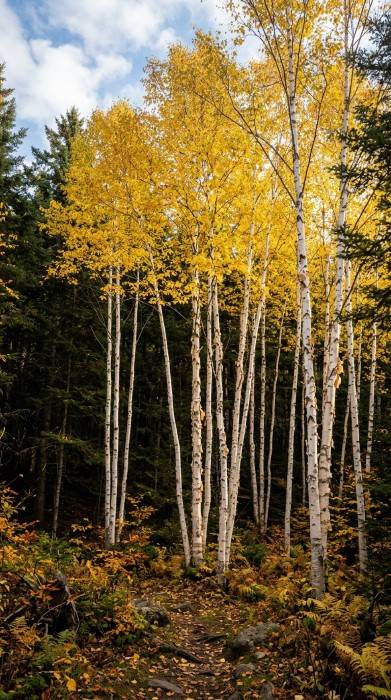
Plant a small grove of White or Paper Birch trees to create a striking visual screen with their peeling white bark. The stark white trunks contrast dramatically with the darkening sky and colorful fall foliage of other plants. Their delicate, heart-shaped leaves turn a bright, cheerful yellow in autumn. The horizontal lenticels on the bark add intricate detail that catches the eye. Birches grow relatively quickly, providing instant impact for new landscapes. They evoke a sense of northern wilderness and tranquility.
24. Wind Chime Soundscapes
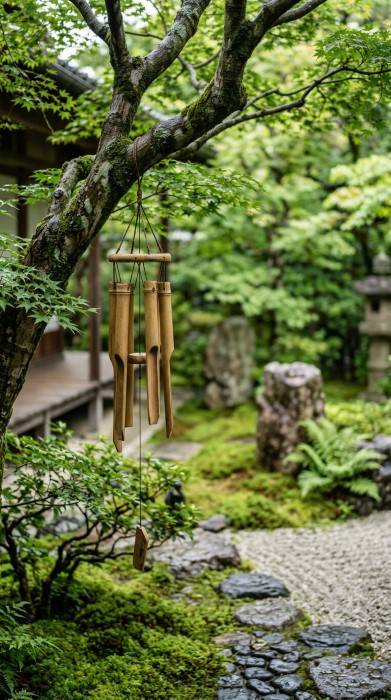
Hang wooden or metal wind chimes in breezy spots to add soothing auditory layers to your visual landscape. The gentle tinkling sounds mask urban noise and create a peaceful, meditative atmosphere. Choose materials that resonate well in cold air, such as aluminum or bamboo. Position them near seating areas or windows where the sound can be fully appreciated. The movement of the chimes adds a dynamic, kinetic element to static plants and structures. This sensory addition enhances the overall relaxation potential of your outdoor space.
25. Sumac Shrub Clusters
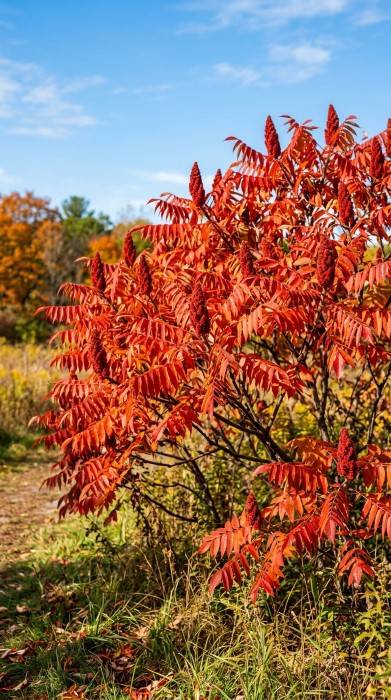
Plant Staghorn or Smooth Sumac shrubs for their intense, fiery red fall foliage and fuzzy red fruit clusters. These native shrubs are incredibly hardy, tolerant of poor soil, and spread via suckers to form dense thickets. The velvety texture of the stems and leaves adds tactile interest to the garden. The bright red color is among the most vivid in the plant kingdom, lasting well into late fall. They provide excellent cover for wildlife and stabilize soil on slopes. This bold choice makes a dramatic statement in any landscape.
26. Stepping Stone Medallions
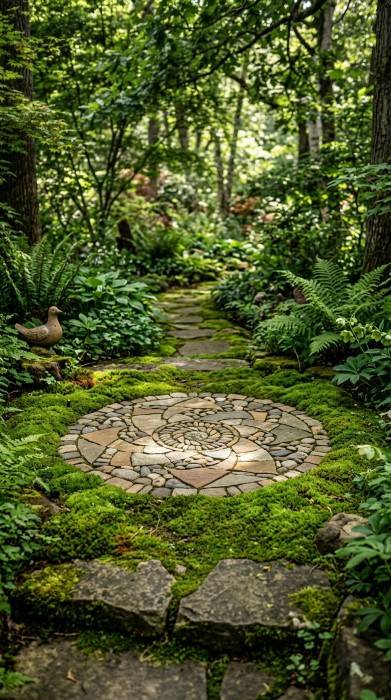
Create circular or geometric patterns using stepping stones set in moss or creeping thyme for whimsical garden accents. These medallions break up large lawn areas and invite exploration and play. The stones provide dry footing while the surrounding greenery softens the hardscape. Moss thrives in shady, moist areas, creating a lush, ancient feel. Thyme releases a pleasant scent when stepped on, adding another sensory layer. This design element adds charm and personality to informal garden spaces.
27. Blue Spruce Contrast
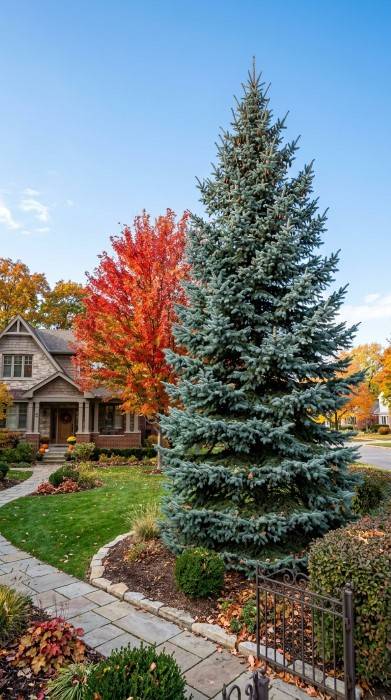
Use Blue Spruce trees to provide a cool, blue-green contrast to the warm reds and oranges of fall foliage. Their dense, pyramidal shape offers year-round structure and privacy screening. The blue hue becomes more pronounced in cooler weather, enhancing the seasonal color palette. Plant them as specimens or in rows for a formal avenue effect. They are hardy, low-maintenance, and resistant to many pests. This evergreen anchor balances the fleeting nature of deciduous color.
28. Compost Bin Screening
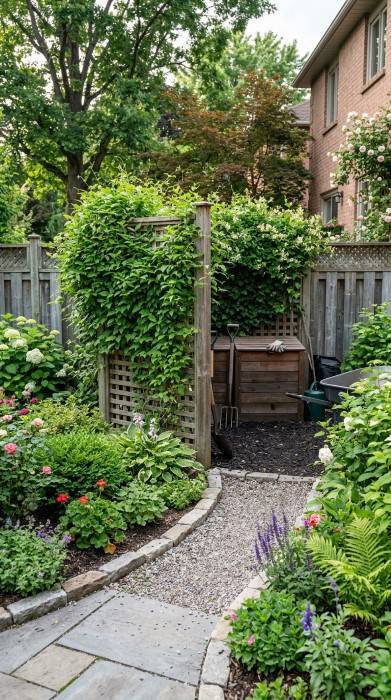
Screen utility areas like compost bins with lattice panels covered in climbing vines or tall ornamental grasses. This hides unsightly equipment while maintaining airflow and access for gardening tasks. Use attractive materials like cedar lattice that weathers nicely to blend with the surroundings. Plant fast-growing vines like Clematis or Honeysuckle for quick coverage and seasonal flowers. This practical solution keeps the landscape looking tidy and intentional. It turns a functional necessity into a hidden garden feature.
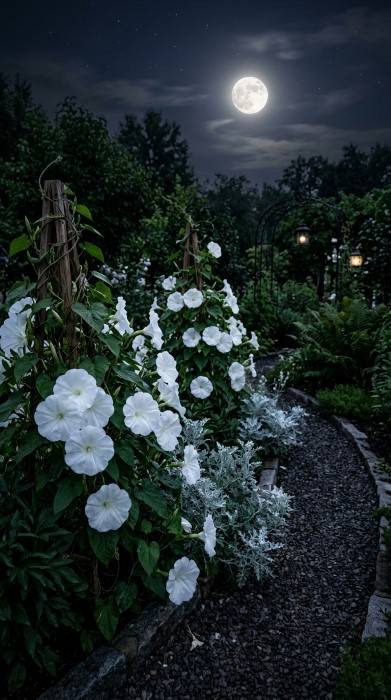
29. Moon Garden Whites
Plant white-flowering plants like Moonflowers, White Astilbe, or Silver Ragwort to create a glowing effect in low light. These plants reflect moonlight and streetlights, making the garden visible and magical at night. The pale colors stand out against the darkening backdrop of fall evenings. Combine them with silver-leaved foliage for a monochromatic, ethereal theme. This specialized garden extends enjoyment of the landscape after sunset. It offers a serene, ghostly beauty unique to the night hours.
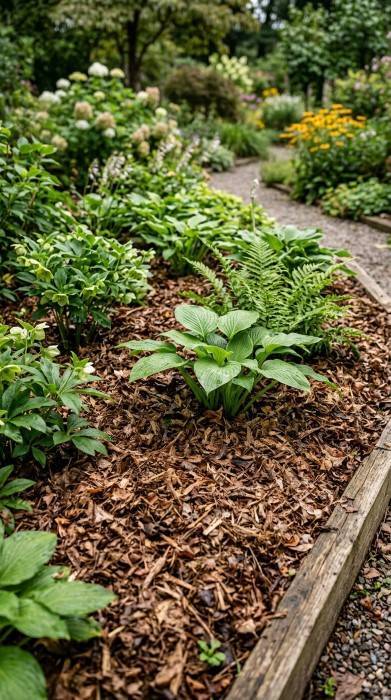
30. Leaf Mulch Recycling
Rake fallen leaves directly into garden beds as natural mulch instead of bagging them for disposal. This free resource insulates plant roots, retains moisture, and decomposes to enrich the soil with nutrients. Shred the leaves with a mower for faster decomposition and a neater appearance. The brown, earthy tones blend seamlessly with the fall aesthetic, reducing visual clutter. This sustainable practice reduces waste and improves long-term soil health. It mimics the natural forest floor cycle in your own yard.
These 30 beautiful fall landscaping ideas for 2026 offer a wealth of inspiration for transforming your front, back, and side yards into seasonal masterpieces. By combining vibrant plant selections, thoughtful hardscaping, and sensory elements, you can create outdoor spaces that celebrate the richness of autumn. Each idea is designed to be practical, sustainable, and visually striking, ensuring your landscape remains inviting and functional as the weather cools. Whether you are starting from scratch or refreshing existing beds, these concepts provide actionable steps for every homeowner. Embrace the beauty of the changing seasons with a landscape that reflects your personal style and love for nature. Your dream autumn oasis is just a few plants and design choices away.