Built-in playroom features can turn wasted corners, alcoves, and under-stair areas into imaginative spaces children use every day. In 2027, smart family homes focus on flexible designs that combine play, reading, storage, and calm-down zones without creating clutter. Cozy forts, crawl spaces, window seats, and hidden nooks encourage creativity while keeping toys organized and rooms looking intentional. These ideas work for playrooms, bedrooms, basements, and shared family spaces. Choose durable materials, safe construction, and adaptable storage so the design grows with your children and remains useful for years for families everywhere today.
Source: https://www.contemporist.com/11-hideouts-for-kids-that-adults-should-be-jealous-of/
1. Under-Stair Crawl Fort
Build a low fort beneath the stairs with a rounded entrance, padded floor, and soft LED lighting. Add storage cubbies along one side for books and toys. Keep the opening wide enough for adult access, cleaning, ventilation, and safe supervision during play.

Source: http://courtneysworld.co/home-decor/staircase-storage-under-stairs/
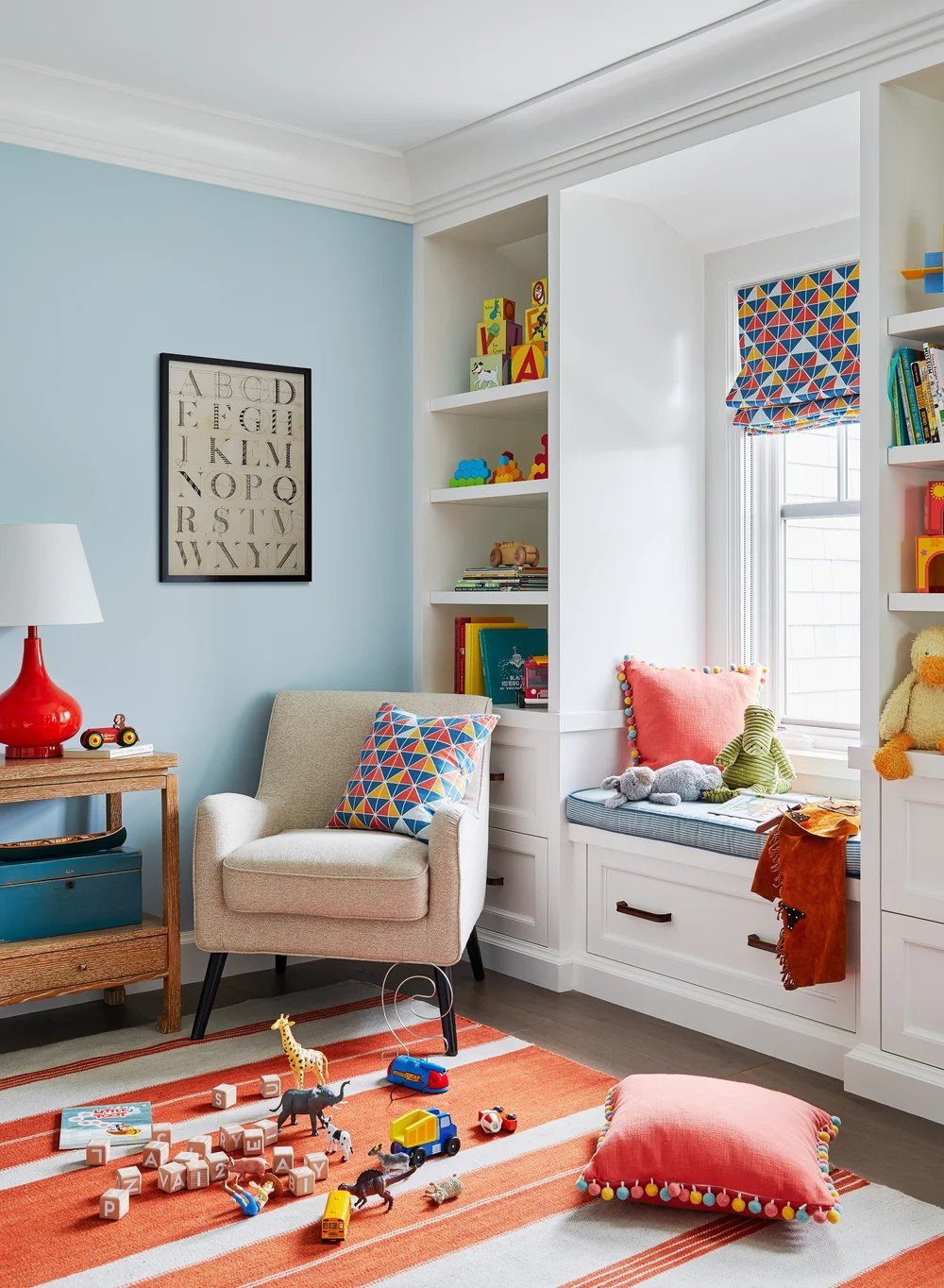
2. Window Seat Reading Fort
Create a built-in window seat with storage drawers, thick cushions, and side shelves for books. Add curtains or a canopy for a fort-like feeling. This design uses natural light beautifully while providing hidden storage for blankets, games, and seasonal toys.
Source: https://www.chaunceyboothby.com/portfolio/childrens-rooms
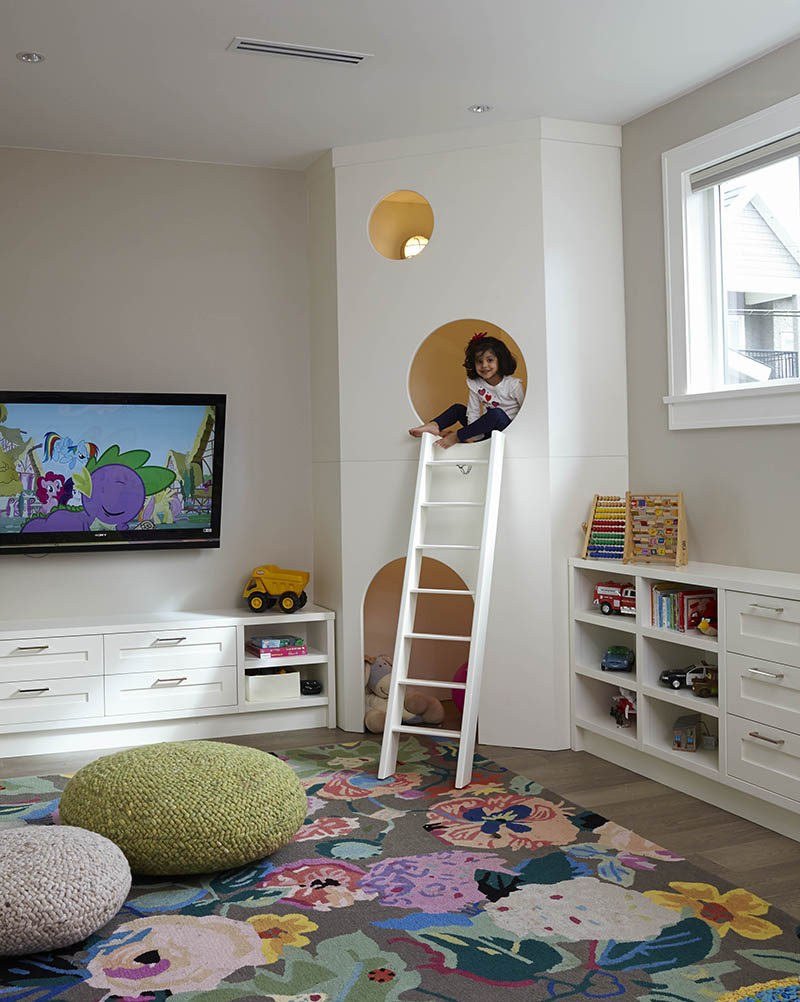
3. Alcove Bunk Play Nook
Turn a wall alcove into a bunk-style nook with a lower reading bed and upper play platform. Use sturdy railings, a secure ladder, and soft bedding. This built-in feature saves floor space and creates separate zones for rest and imagination.

Source: https://www.lostateminor.com/30-bedroom-niche-ideas/
4. Crawl Tunnel Storage Wall
Design a low storage wall with a short crawl tunnel passing through the center. Surround it with open cubbies for toys and books. Use smooth edges, non-slip flooring, and clear sightlines so children can explore safely while adults supervise easily nearby.
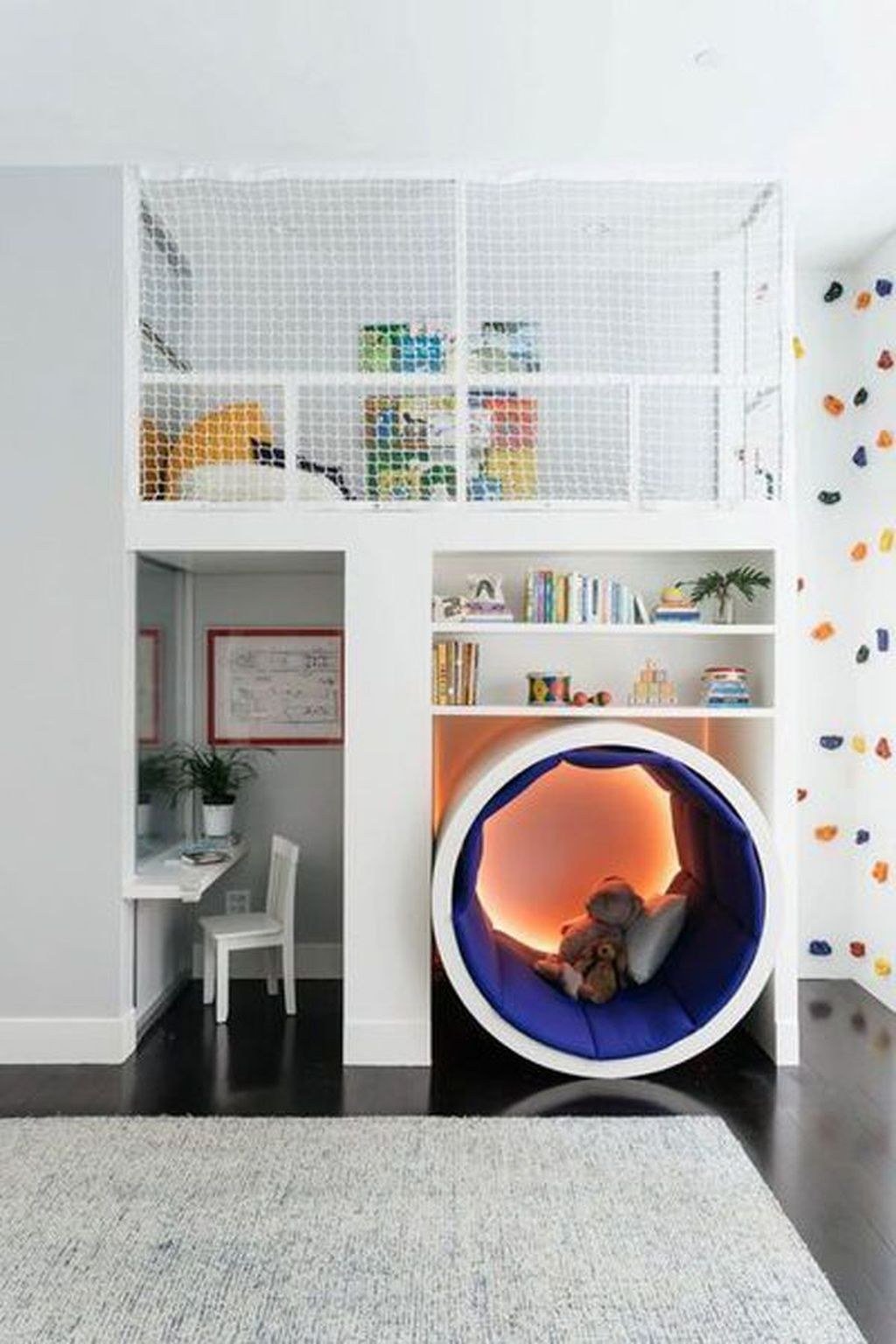
5. Hidden Door Play Closet
Convert a closet into a hidden play space with a bookshelf-style door that opens safely from inside and outside. Add cushions, lighting, and low shelves. Never use locks, ensure ventilation, and secure all shelving to prevent tipping or accidental entrapment.
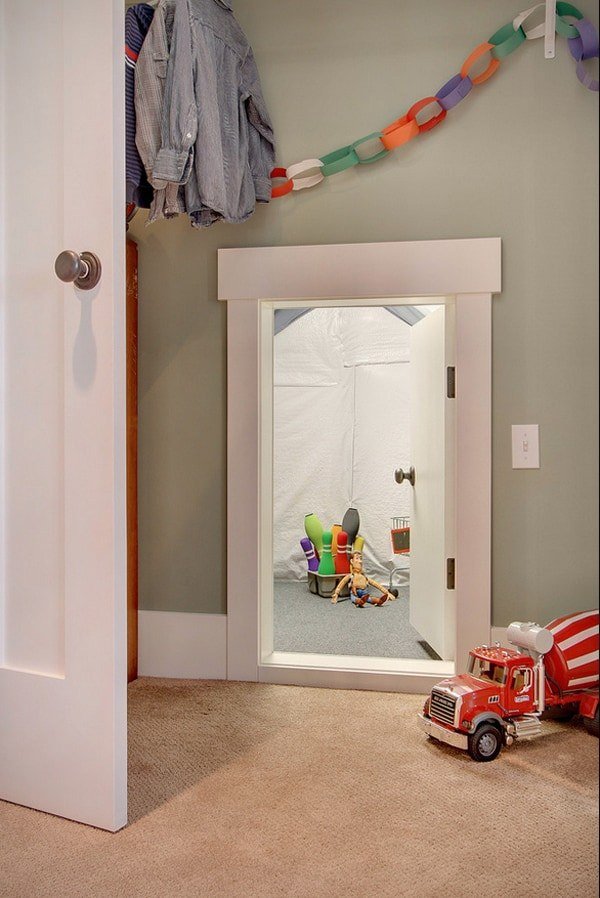
Source: https://onekindesign.com/57-unbelievable-secret-doorways-hidden-rooms/comment-page-1/
6. Built-In Stage and Fort Combo
Create a low platform stage with storage drawers underneath and a curtained fort area beside it. Children can perform, read, or hide in the same built-in unit. Add a washable rug and hooks for costumes to keep the area organized.
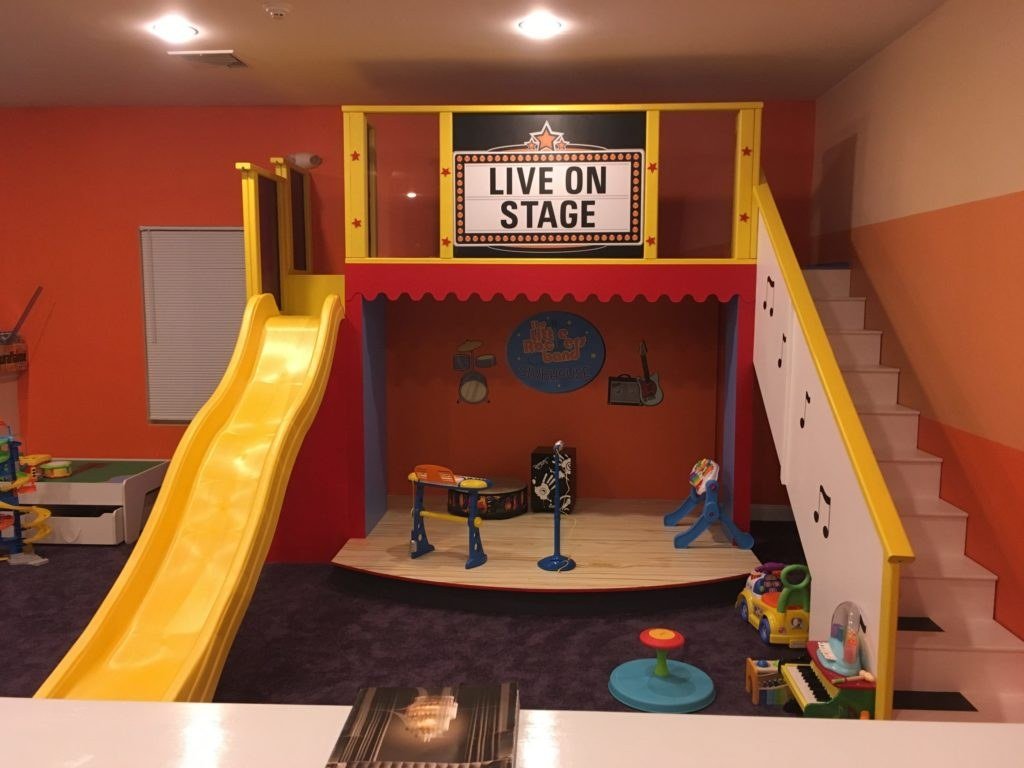
Source: https://stonedogcreates.com/portfolio-items/apple-jams/
7. Loft Fort with Slide Access
Build a raised loft fort with railings, a ladder, and a gentle slide for exit. Place cushions and books underneath for quiet play. Check ceiling height, weight limits, and landing mats carefully to keep active play safe and enjoyable daily.

Source: https://lightandlayer.com/blog/small-room-bunk-beds/
8. Reading Cubby Wall
Install a wall of individual reading cubbies with cushions, book ledges, and personal storage bins. Each child gets a cozy retreat for quiet time. This design works well for siblings, classrooms, and playrooms where shared space needs calm, defined zones.

9. Under-Window Crawl Space
Use the low area beneath a wide window to create a crawl-in fort with padded flooring and toy shelves. Add sheer curtains for privacy without blocking light. Keep window locks secure and ensure children cannot climb onto unsafe surfaces nearby.
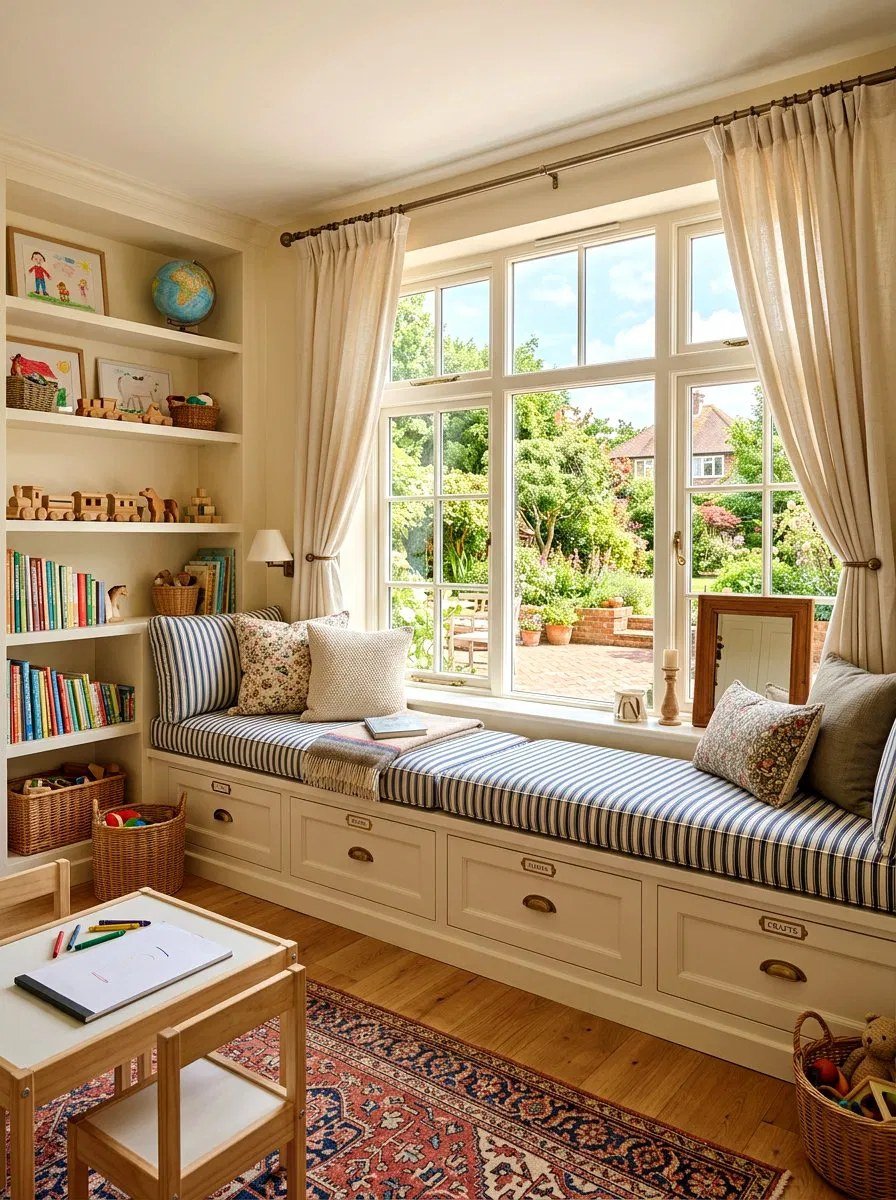
Source: https://suite101.com/30-small-playroom-ideas/
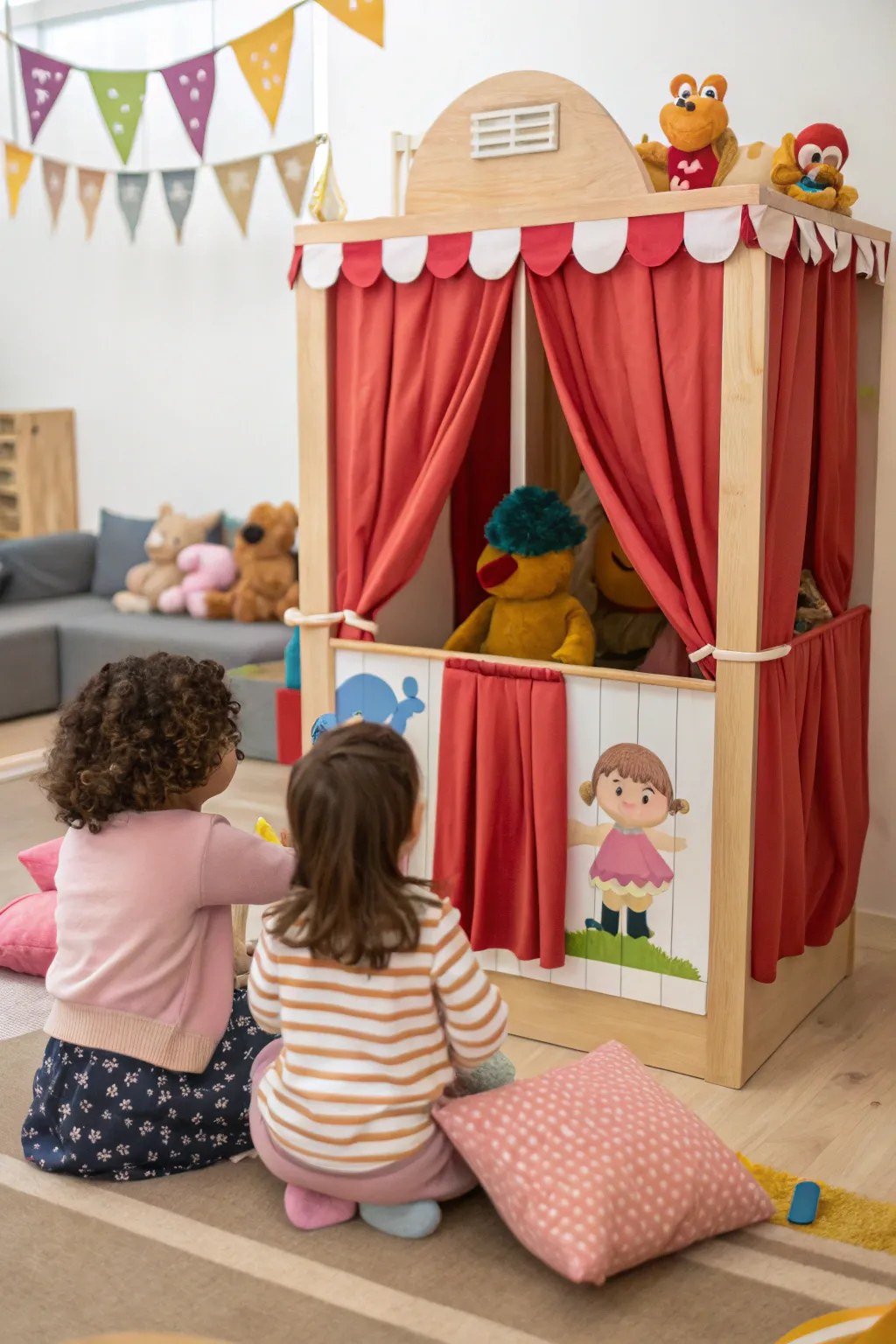
10. Built-In Puppet Theater Nook
Design a recessed puppet theater with a curtain, storage below, and seating cushions in front. Add interchangeable backdrops for different stories. This built-in feature encourages language development, confidence, and family performances while keeping puppets and props neatly stored after each show.
Source: https://casolia.com/kids-play-area-ideas/
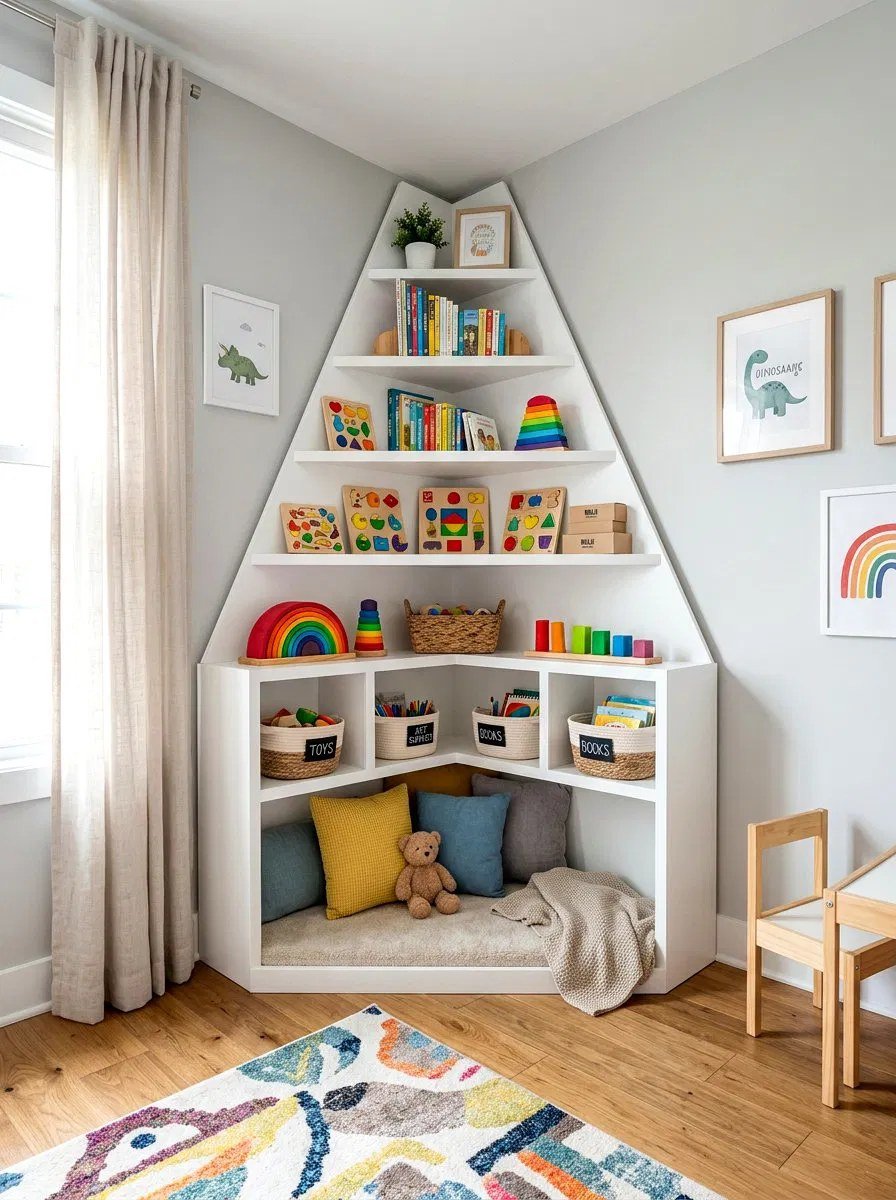
11. Corner Fort with Bookshelves
Build an L-shaped corner fort using low bookshelves as walls and a fabric canopy overhead. Add floor cushions and a small rug inside. The shelves provide storage and structure, while the canopy creates a cozy enclosed feeling without permanent walls.
Source: https://suite101.com/30-toy-rotation-storage-ideas/
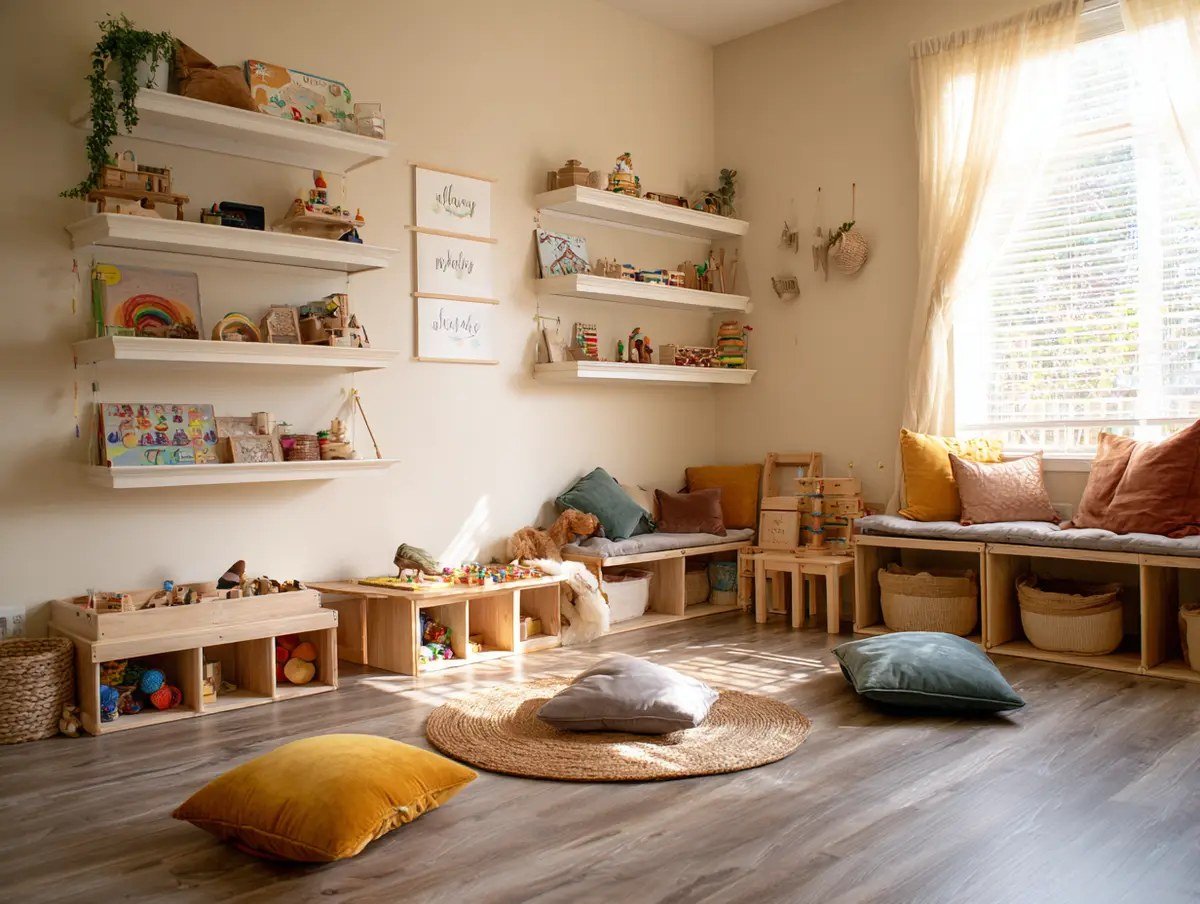
12. Sensory Retreat Alcove
Create a built-in alcove with soft padding, dimmable lighting, sensory panels, and a weighted blanket. Use calm colors and sound-softening materials. This retreat helps children rest, regulate emotions, and enjoy quiet play away from louder activities in shared family spaces.
Source: https://www.cozycornerandco.com/
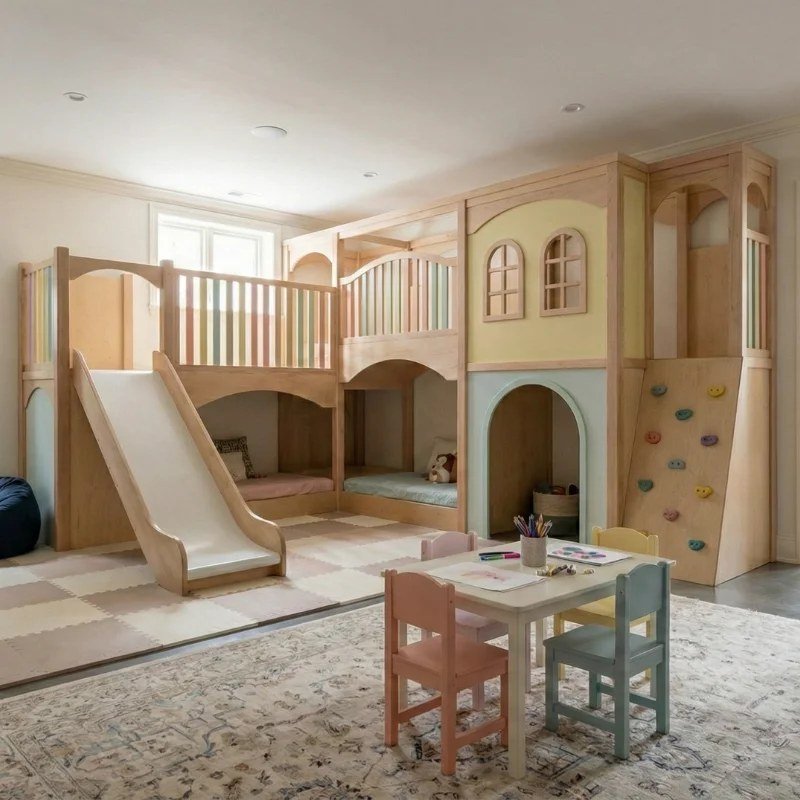
13. Multi-Level Play Platform
Design connected platforms at different heights with steps, a crawl space below, and storage throughout. Add railings, mats, and clear pathways for safe movement. This flexible structure supports climbing, building, reading, and pretend play as children grow and interests change over time.
Source: https://abode-construction.com/basement-remodeling/
Final Thoughts
Built-in playroom ideas work best when they balance imagination with safety, storage, and everyday practicality. Start with one underused area, choose durable materials, and design for cleaning and supervision. Cozy forts and crawl spaces can make a home feel magical for children while keeping family spaces organized, flexible, and enjoyable for years to come.