
The world of business is experiencing a seismic shift. Machine learning isn’t just another technology trend—it’s fundamentally reshaping how companies operate, compete, and create value. If you’re a business leader, entrepreneur, or strategist, understanding how to weave ML into your business planning isn’t optional anymore. It’s essential.
Let me walk you through what strategic machine learning really means and how you can position your business to thrive in the AI era.
Understanding the Strategic Shift
Remember when having a website was a competitive advantage? Then it became table stakes. Machine learning is following a similar trajectory, but at lightning speed. The difference? ML doesn’t just change how you present your business—it transforms how you operate at the core.
Strategic machine learning means thinking about AI not as a department or a project, but as a fundamental capability woven into your business DNA. It’s about asking: “How can intelligent systems help us serve customers better, operate more efficiently, and make smarter decisions?”
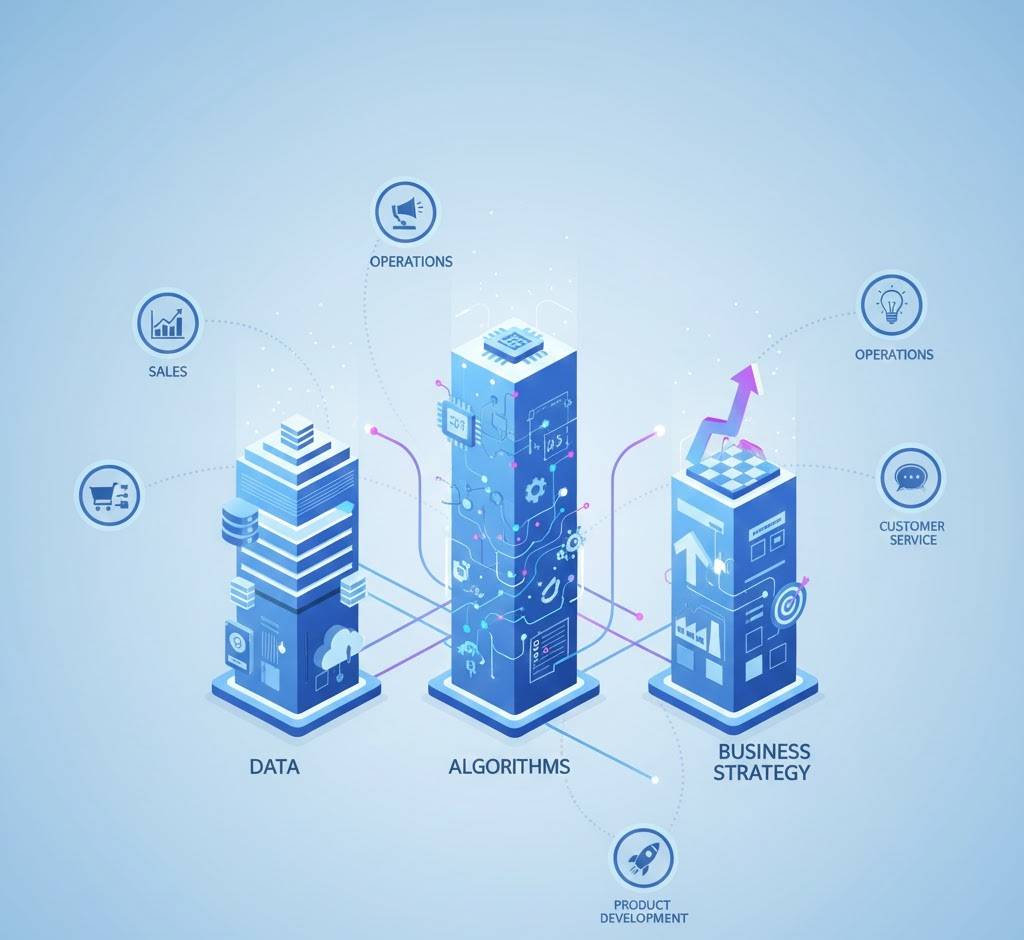
The Four Pillars of ML-Driven Business Planning
1. Start with Business Problems, Not Technology
Here’s where most companies stumble: they fall in love with the technology before identifying the problem. You don’t need ML for the sake of having ML. You need it to solve real business challenges.
Ask yourself:
- Where are we losing customers and why?
- What decisions do we make repeatedly that could be improved with better predictions?
- Where do manual processes create bottlenecks?
- What customer experiences could be more personalized?
A retail company I know was excited about implementing computer vision. But when they stepped back, they realized their real problem was inventory forecasting. They redirected their ML efforts there and reduced overstock by 30% in six months.

2. Build Your Data Foundation
Machine learning runs on data like cars run on fuel. But unlike fuel, not all data is created equal. Strategic ML planning requires honest assessment of your data reality.
You need to evaluate:
- Data availability: Do you have the right data, or just lots of data?
- Data quality: Is it accurate, complete, and consistent?
- Data accessibility: Can your teams actually access and use it?
- Data governance: Do you have the rights and permissions to use it ethically?
Many businesses discover they’re data-rich but insight-poor. They have terabytes of information locked in siloed systems with no clear strategy for extraction and use. Your ML strategy must include a data strategy—they’re inseparable.
3. Cultivate ML Talent and Culture
Technology is only as good as the people who use it. Building ML capabilities means investing in three types of talent:
Data Scientists and ML Engineers: These are your builders—the people who create and deploy ML models.
Business Translators: These bridge-builders understand both business needs and technical possibilities. They’re worth their weight in gold.
ML-Literate Leaders: Your executive team doesn’t need to code, but they need to understand what ML can and can’t do, and how to ask the right questions.
Beyond hiring, you need to cultivate a culture of experimentation. ML projects don’t always succeed on the first try. Companies that treat failed ML experiments as learning opportunities rather than failures build stronger AI capabilities over time.

4. Design for Continuous Learning
Traditional business planning often works in annual cycles. ML-driven businesses operate differently. Machine learning models need continuous monitoring, updating, and improvement. Your business planning must account for this ongoing evolution.
This means:
- Building feedback loops to measure model performance
- Planning for model retraining and updates
- Creating processes to detect when models start drifting or underperforming
- Establishing governance for when to retire or replace models
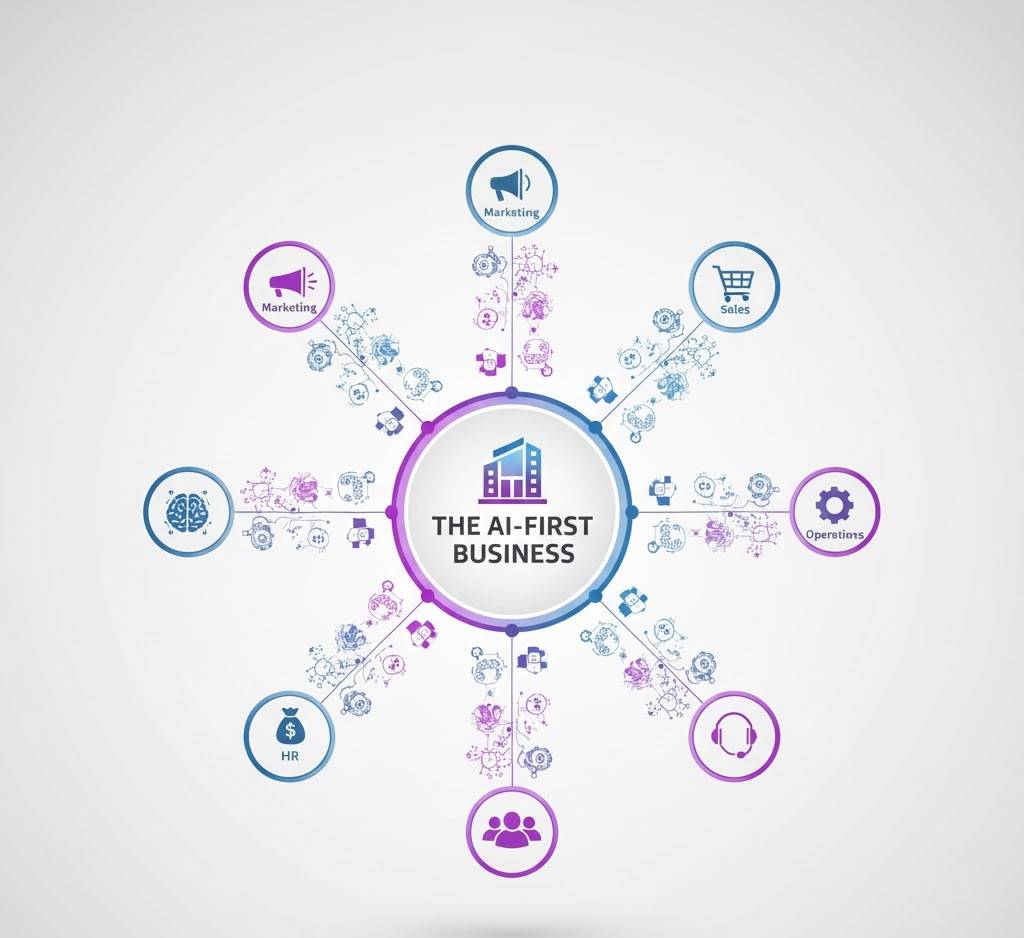
Practical ML Applications Across Business Functions
Let’s get concrete. Here’s how strategic ML shows up across different parts of your business:
Customer Experience:
- Personalized product recommendations that actually feel personal
- Chatbots that understand context and sentiment, not just keywords
- Predictive customer service that solves problems before customers complain
Operations:
- Predictive maintenance that prevents equipment failures
- Supply chain optimization that adapts to real-time conditions
- Automated quality control that catches defects humans might miss
Finance:
- Fraud detection that learns new patterns of suspicious behavior
- Cash flow forecasting that considers hundreds of variables
- Automated invoice processing and expense categorization
Marketing:
- Customer segmentation that goes beyond basic demographics
- Campaign optimization that continuously improves targeting
- Content recommendations that boost engagement
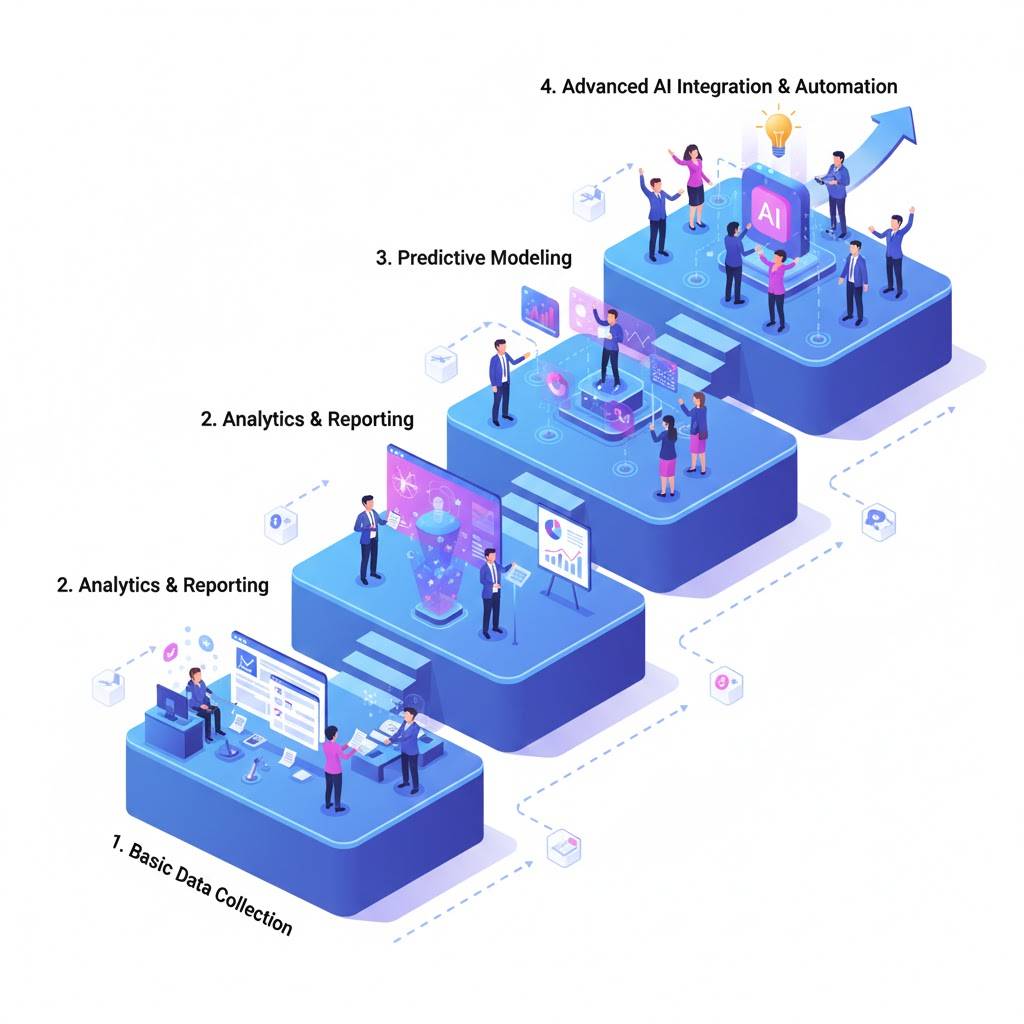
Creating Your ML Roadmap
Ready to develop your strategic ML plan? Here’s a framework:
Phase 1: Discovery (Months 1-3) Audit your current state. Where do you have data? Where do you have pain points? What quick wins could build momentum? This isn’t about deploying ML yet—it’s about understanding your landscape.
Phase 2: Foundation Building (Months 3-9) Invest in data infrastructure, governance frameworks, and initial talent acquisition. Start with one or two pilot projects that are manageable but meaningful.
Phase 3: Scale and Integration (Months 9-18) Take successful pilots and scale them across the organization. Begin integrating ML capabilities into core business processes. This is where ML starts becoming part of “how we do business.”
Phase 4: Innovation and Optimization (Ongoing) Continuously refine existing ML applications while exploring new frontiers. At this stage, your organization has built ML muscles and can move faster on new initiatives.
Navigating Common Pitfalls
Let me share some mistakes I’ve seen companies make, so you can avoid them:
Pitfall 1: The “Boil the Ocean” Approach Don’t try to implement ML everywhere at once. Start focused, learn fast, then expand.
Pitfall 2: Ignoring Change Management Even the most brilliant ML solution will fail if your people don’t adopt it. Invest in training, communication, and addressing concerns about job displacement.
Pitfall 3: Underestimating Data Preparation Data scientists often say they spend 80% of their time preparing data and 20% on modeling. Budget accordingly.
Pitfall 4: Expecting Perfection An ML model that’s 85% accurate but deployed and generating value beats a 95% accurate model that never leaves the lab.
Pitfall 5: Neglecting Ethics and Bias ML models can perpetuate and amplify biases in your data. Build ethical considerations into your planning from day one, not as an afterthought.
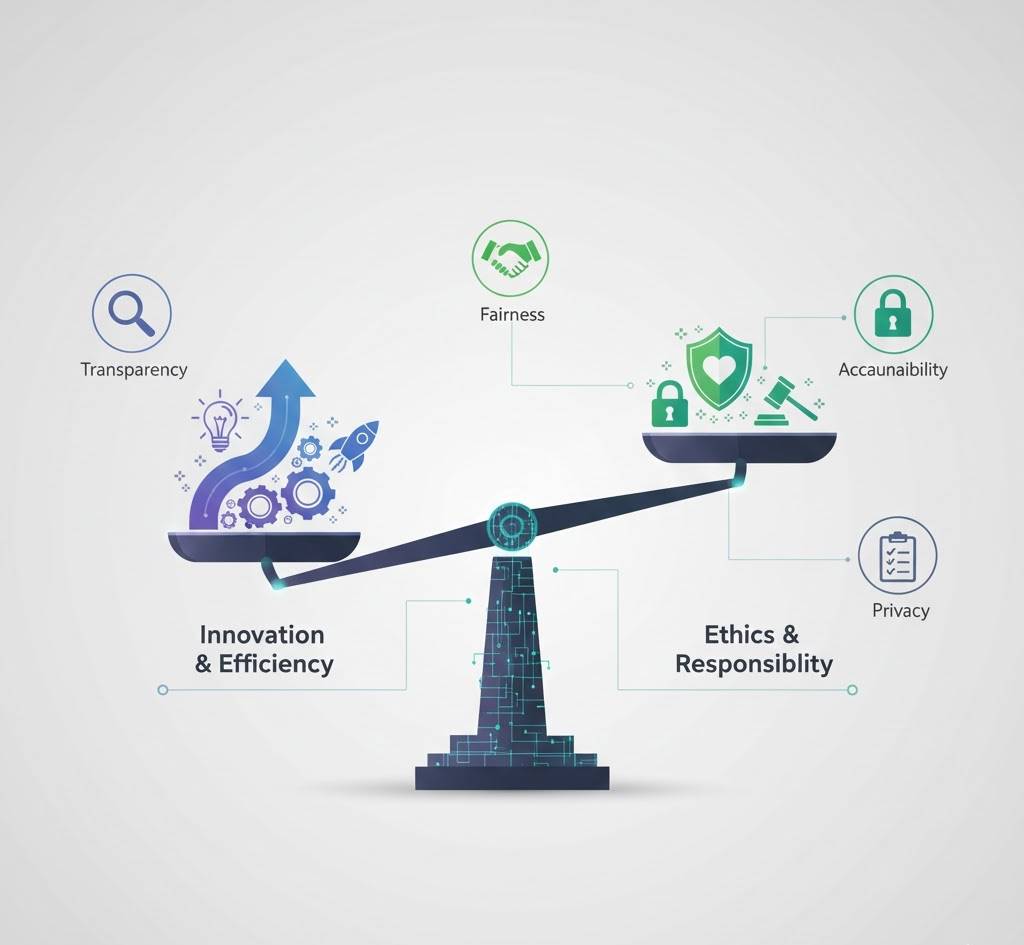
The Ethics and Responsibility Dimension
Strategic ML planning must include ethical frameworks. As you deploy ML systems, consider:
- Fairness: Are your models treating all groups equitably?
- Transparency: Can you explain how your ML systems make decisions?
- Privacy: Are you protecting customer data appropriately?
- Accountability: Who’s responsible when an ML system makes a mistake?
Building trust with customers, employees, and regulators means being proactive about these questions. Some companies appoint AI ethics boards or officers to oversee ML deployment and ensure alignment with values.
Measuring ML Success
How do you know if your ML strategy is working? Traditional business metrics still matter, but you’ll need ML-specific indicators too:
Business Metrics:
- Revenue impact from ML-driven recommendations or optimizations
- Cost savings from automation or efficiency gains
- Customer satisfaction improvements
- Churn reduction or retention increases
ML Performance Metrics:
- Model accuracy, precision, and recall
- Model latency and response times
- Data quality scores
- Model drift indicators
Organizational Metrics:
- Time from concept to deployment
- Number of ML models in production
- Cross-functional collaboration indicators
- Employee ML literacy levels
Looking Ahead: The Competitive Landscape
Here’s the reality: your competitors are thinking about ML too. The question isn’t whether to incorporate ML into your business planning—it’s how quickly and effectively you can do it.
Companies that treat ML as a strategic imperative are pulling ahead. They’re making better decisions faster, serving customers more effectively, and operating more efficiently. The gap between ML leaders and laggards is widening.
But here’s the good news: it’s not too late. ML technology is becoming more accessible through cloud platforms, pre-trained models, and user-friendly tools. You don’t need to be Google or Amazon to compete with ML.

Your Action Plan
So where do you start? Here are your immediate next steps:
- Assess your current state: Where are you today with data, talent, and technology?
- Identify your top three business problems that ML could address: Be specific and quantify the potential impact.
- Build your coalition: Identify champions across business and technical teams who can drive ML initiatives.
- Start learning: Invest in ML literacy for your leadership team through workshops, courses, or consultations.
- Launch a pilot: Choose one focused project with clear success metrics and get started.
- Plan for scale: While your pilot runs, begin planning the infrastructure, processes, and governance you’ll need to scale.
Final Thoughts
Strategic machine learning isn’t about having the fanciest algorithms or the biggest data science team. It’s about thoughtfully integrating intelligent systems into your business in ways that create genuine value for customers and competitive advantage for your organization.
The AI era isn’t coming—it’s here. The businesses that will thrive are those that approach machine learning strategically, with clear-eyed assessment of both opportunities and challenges, realistic timelines, and commitment to continuous learning.
Your ML journey won’t be linear. You’ll face setbacks, surprises, and pivots. But every step forward builds organizational capability that compounds over time. The companies that start today, learn fast, and persist will be the ones defining their industries tomorrow.

The question isn’t whether machine learning will transform your business. It’s whether you’ll lead that transformation or scramble to catch up.