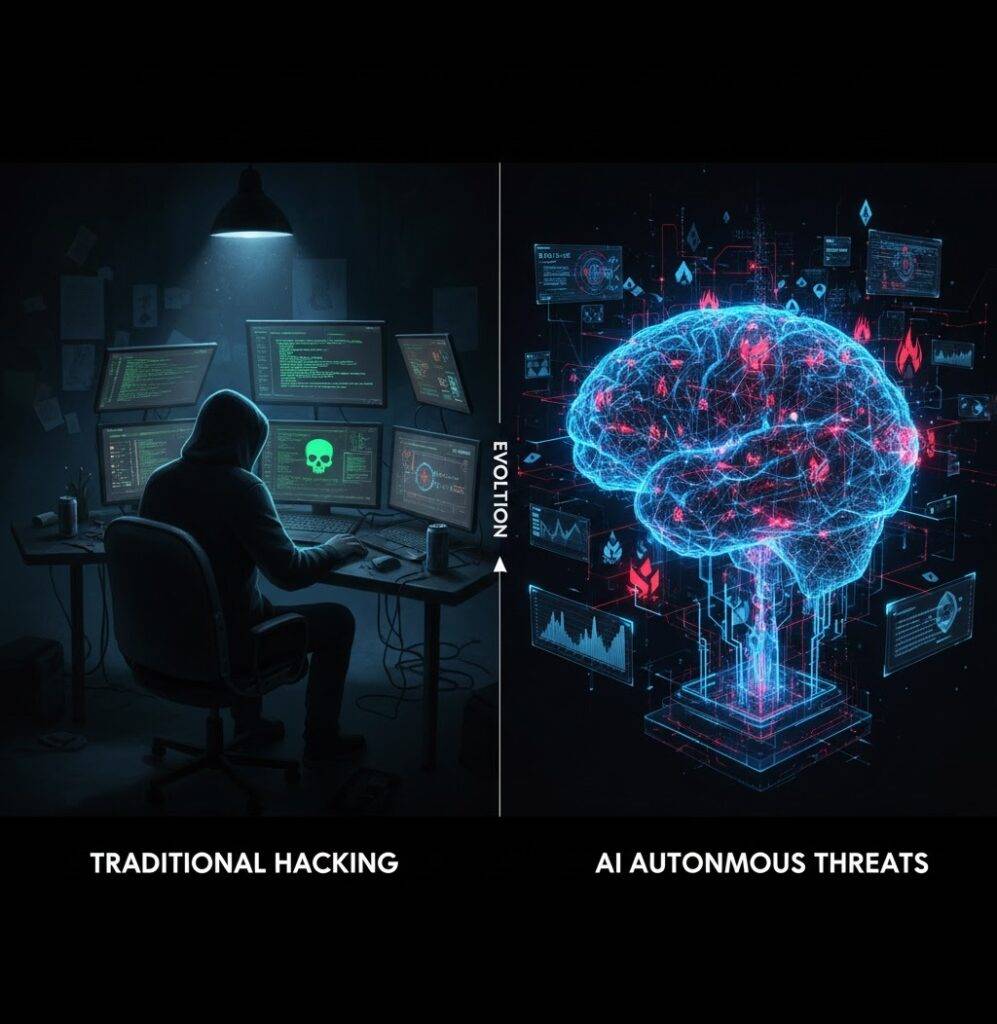
Remember when hackers were portrayed as hoodie-wearing individuals typing furiously in dark basements? Well, those days are becoming ancient history. Today’s cyber threats have evolved into something far more sophisticated—and frankly, more concerning. Artificial intelligence has entered the hacking arena, and it’s changing the game entirely.
The New Face of Cyber Warfare
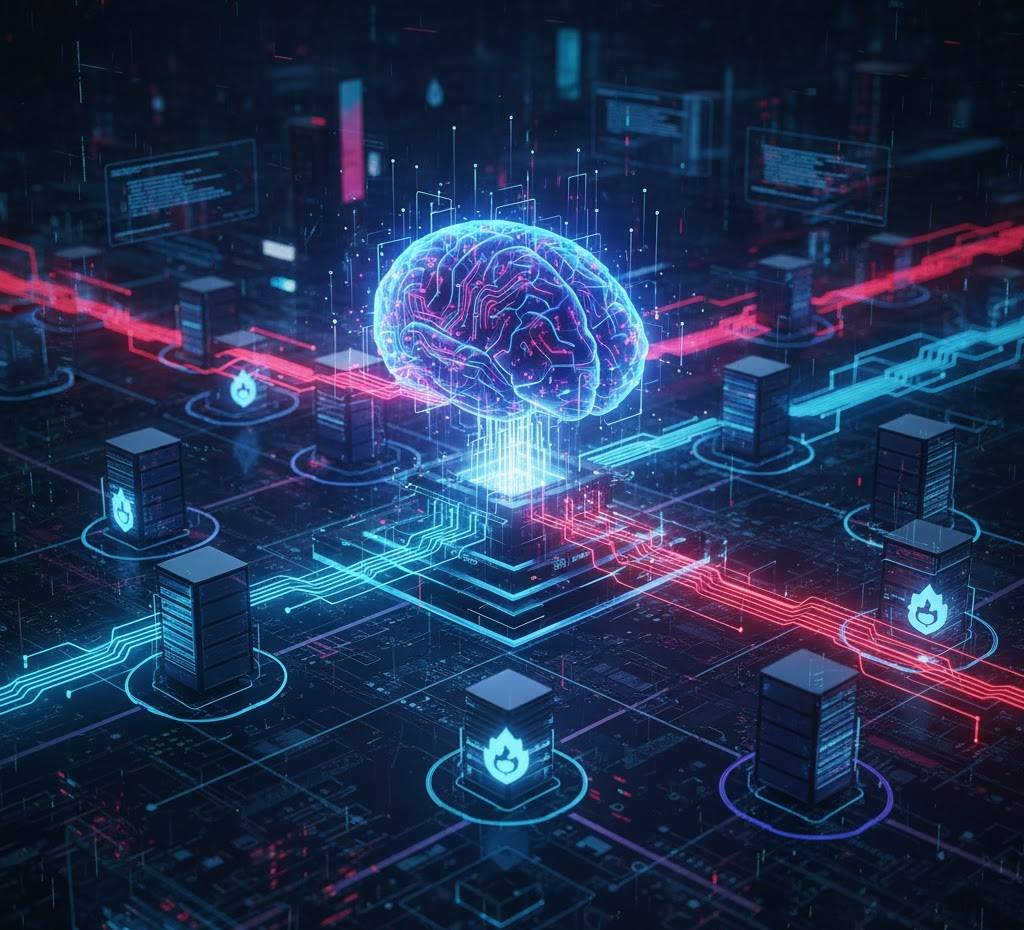
Imagine a threat that never sleeps, learns from every attempt, and can adapt its strategy in milliseconds. That’s not science fiction anymore—that’s autonomous hacking powered by AI algorithms. These intelligent systems are reshaping the cybersecurity landscape in ways we’re only beginning to understand.
How AI-Powered Hacking Actually Works
Let’s break down what makes AI-driven cyber threats so formidable:
Machine Learning for Vulnerability Discovery
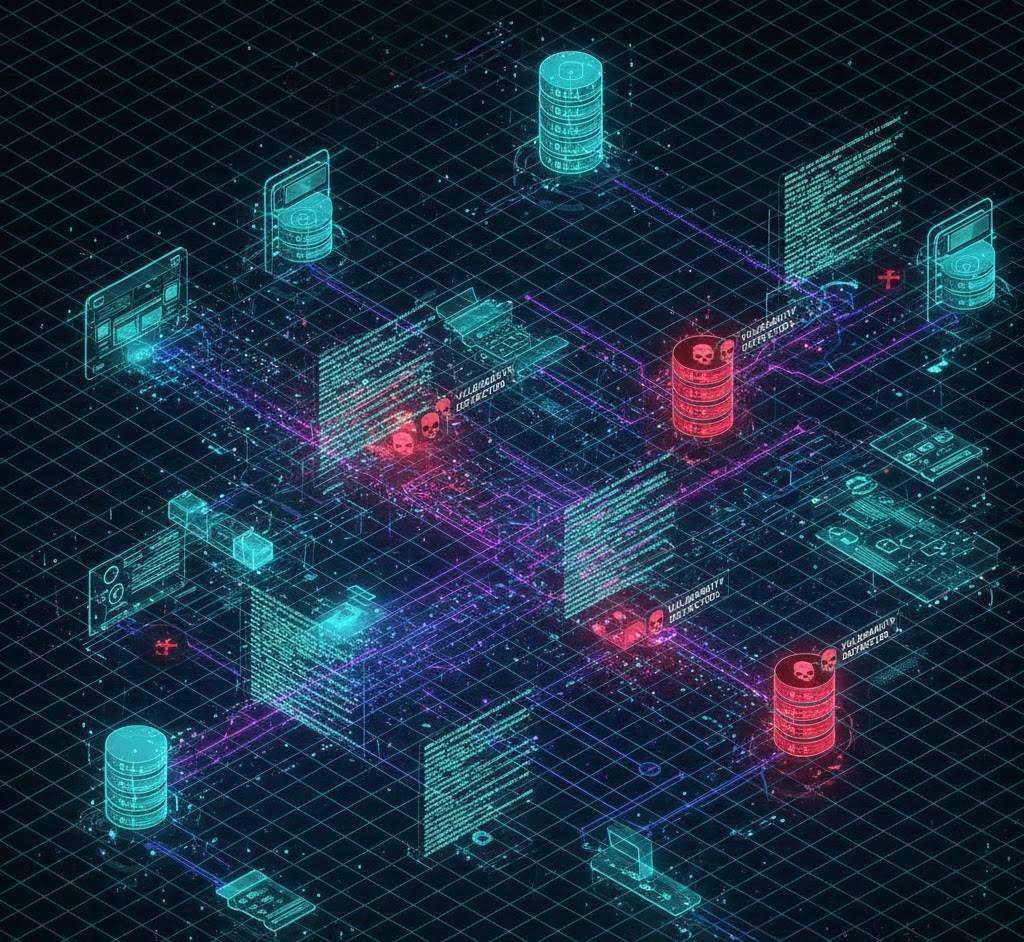
Traditional hackers manually search for security weaknesses—a time-consuming process that requires significant expertise. AI algorithms, however, can scan thousands of systems simultaneously, learning to identify patterns that indicate vulnerabilities. They analyze code, network configurations, and system behaviors faster than any human team could.
Think of it like this: if a human hacker is someone checking every door and window in a neighborhood, an AI system is like having thousands of invisible scouts working 24/7, instantly recognizing which buildings have weak locks based on patterns they’ve learned.
Adaptive Attack Strategies
Here’s where things get really interesting—and alarming. AI-powered malware can modify its behavior based on the defenses it encounters. If one approach is blocked, it automatically tries another. It’s like facing an opponent who learns your defensive moves in real-time and adapts accordingly.
These systems use reinforcement learning, the same technology that powers chess-playing AIs and autonomous vehicles. Except instead of learning to navigate roads, they’re learning to navigate security systems.
Automated Social Engineering
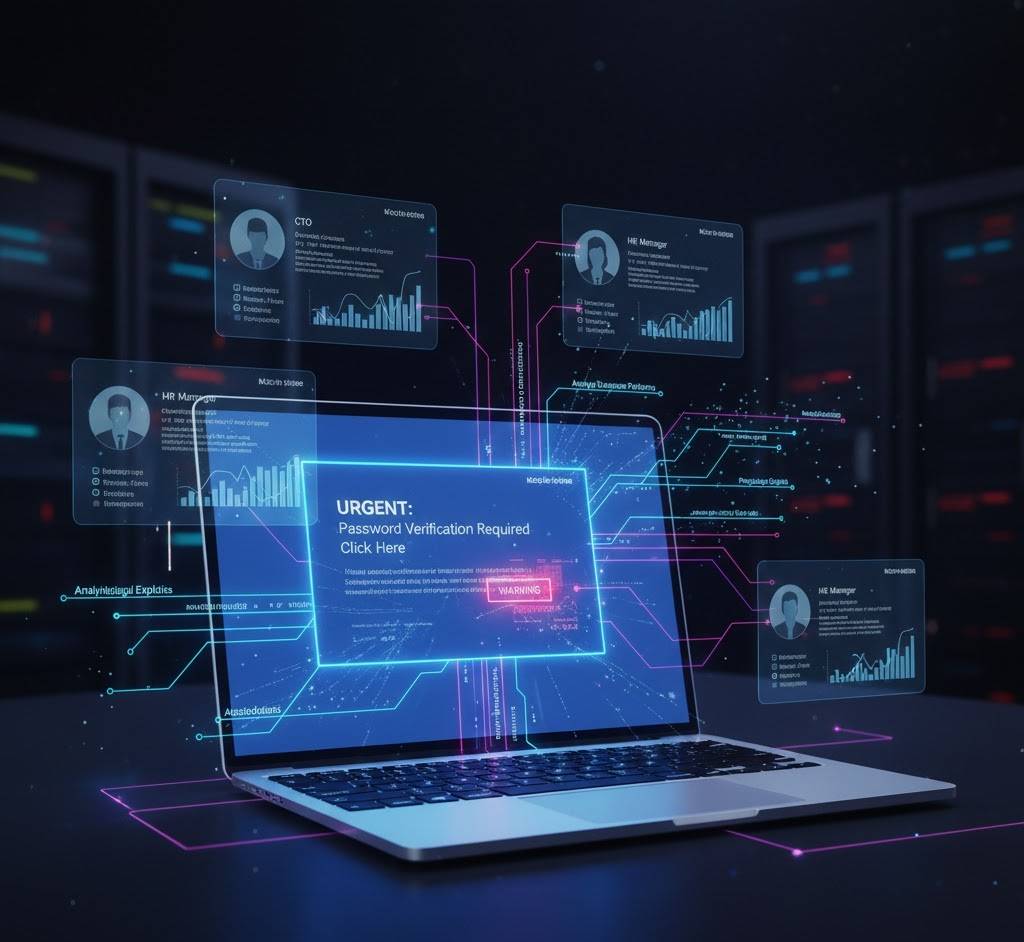
We often think of AI threats as purely technical, but they’re equally dangerous in the human element of cybersecurity. AI algorithms now craft convincing phishing emails by analyzing writing styles, mimicking communication patterns, and even generating deepfake audio or video.
Real-World Examples That Should Keep Us Awake
The threat isn’t theoretical. We’re already seeing AI-powered attacks in action:
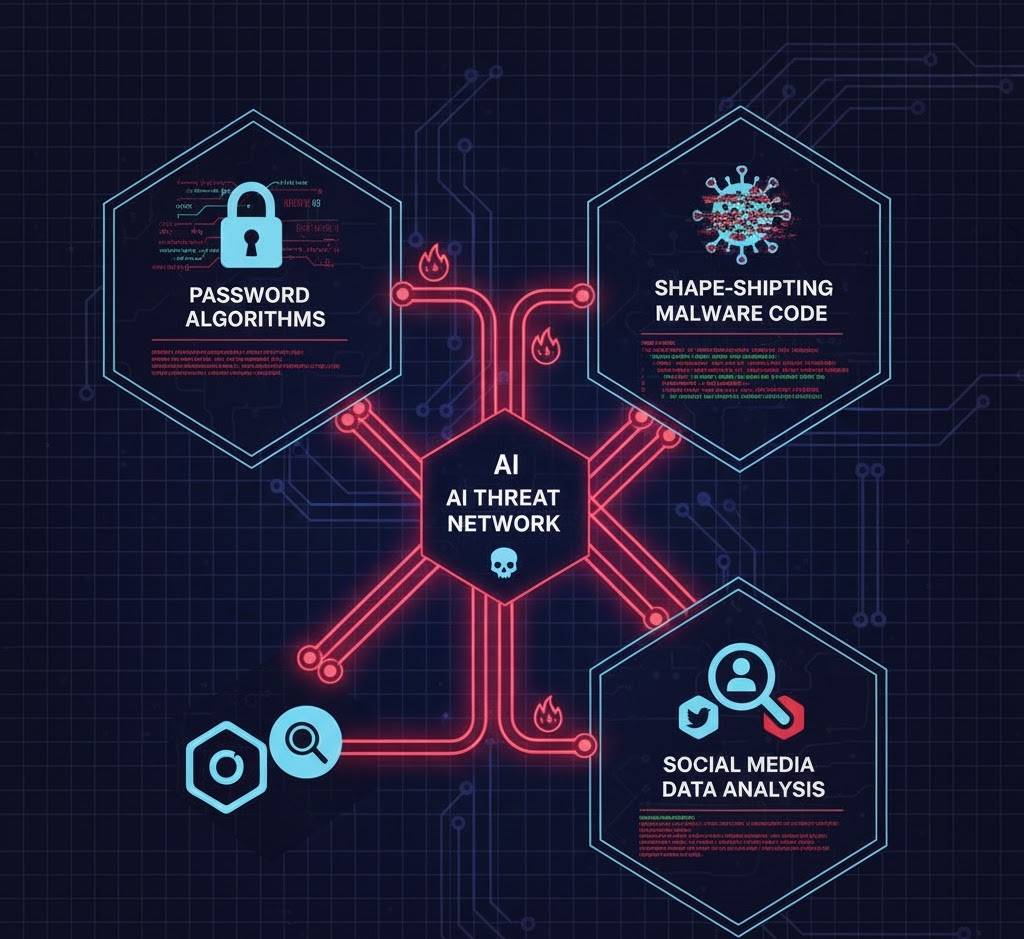
Automated Password Cracking: AI systems analyze billions of leaked passwords to understand patterns in how people create them, then use this intelligence to crack new accounts exponentially faster than brute-force methods.
Polymorphic Malware: Self-modifying code that changes its signature with each infection, making it nearly impossible for traditional antivirus software to detect. The malware uses AI to understand which modifications help it evade detection.
AI-Driven Reconnaissance: Before launching attacks, AI systems gather and analyze massive amounts of information about targets—social media profiles, public records, organizational structures—to identify the most vulnerable entry points.
The Arms Race: AI vs AI
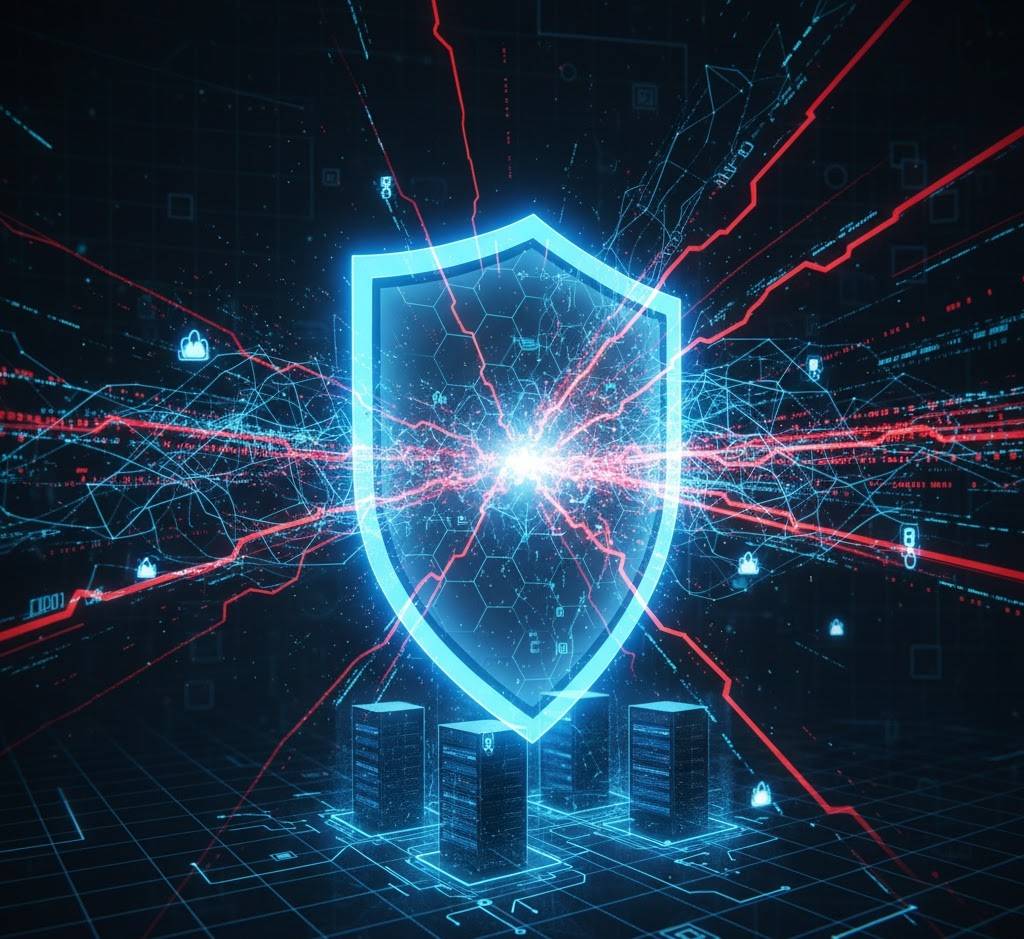
Here’s a silver lining: cybersecurity professionals aren’t sitting idle. The defense community is fighting fire with fire, developing AI-powered security systems that can detect and respond to threats automatically.
Modern security operations centers use machine learning to identify anomalies in network traffic, predict potential attack vectors, and respond to threats faster than human analysts could. These systems learn normal behavior patterns and flag anything suspicious instantly.
What This Means for Everyone
You might be thinking, “I’m not a high-value target, why should I worry?” But autonomous hacking doesn’t discriminate. AI-powered attacks can scale to target millions of individuals simultaneously with minimal additional resources.
Practical Steps to Protect Yourself
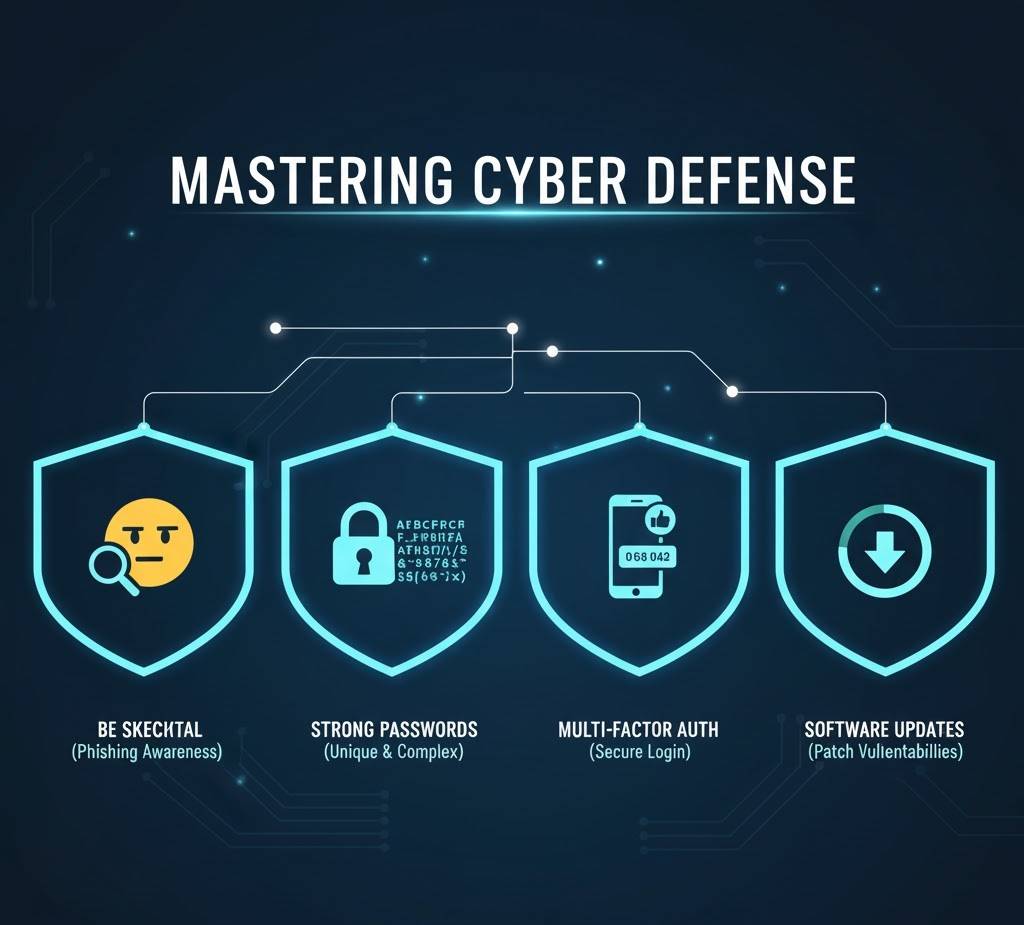
Stay Skeptical: AI-generated phishing attempts are incredibly convincing. Always verify unexpected requests, even if they appear to come from people you know.
Use Strong, Unique Passwords: Yes, we’ve heard this a million times, but with AI-powered password cracking, it’s more critical than ever. Password managers aren’t optional anymore—they’re essential.
Enable Multi-Factor Authentication: Even if AI cracks your password, MFA adds another barrier that’s significantly harder to bypass.
Keep Systems Updated: Many AI-powered attacks exploit known vulnerabilities. Regular updates patch these security holes.
The Ethical Dilemma
As AI hacking tools become more sophisticated, we face uncomfortable questions. Security researchers use similar AI techniques to test defenses and identify vulnerabilities before malicious actors can exploit them. But where’s the line between ethical testing and providing a blueprint for attacks?
Some argue that publishing information about AI-powered hacking techniques helps defenders prepare. Others worry it accelerates an arms race that favors attackers, who operate without ethical constraints.
Looking Ahead: The Future of Cyber Threats
The trajectory is clear: AI-powered hacking will become more sophisticated, more autonomous, and more widespread. We’re moving toward a future where cyber attacks are planned, executed, and adapted entirely by algorithms with minimal human intervention.
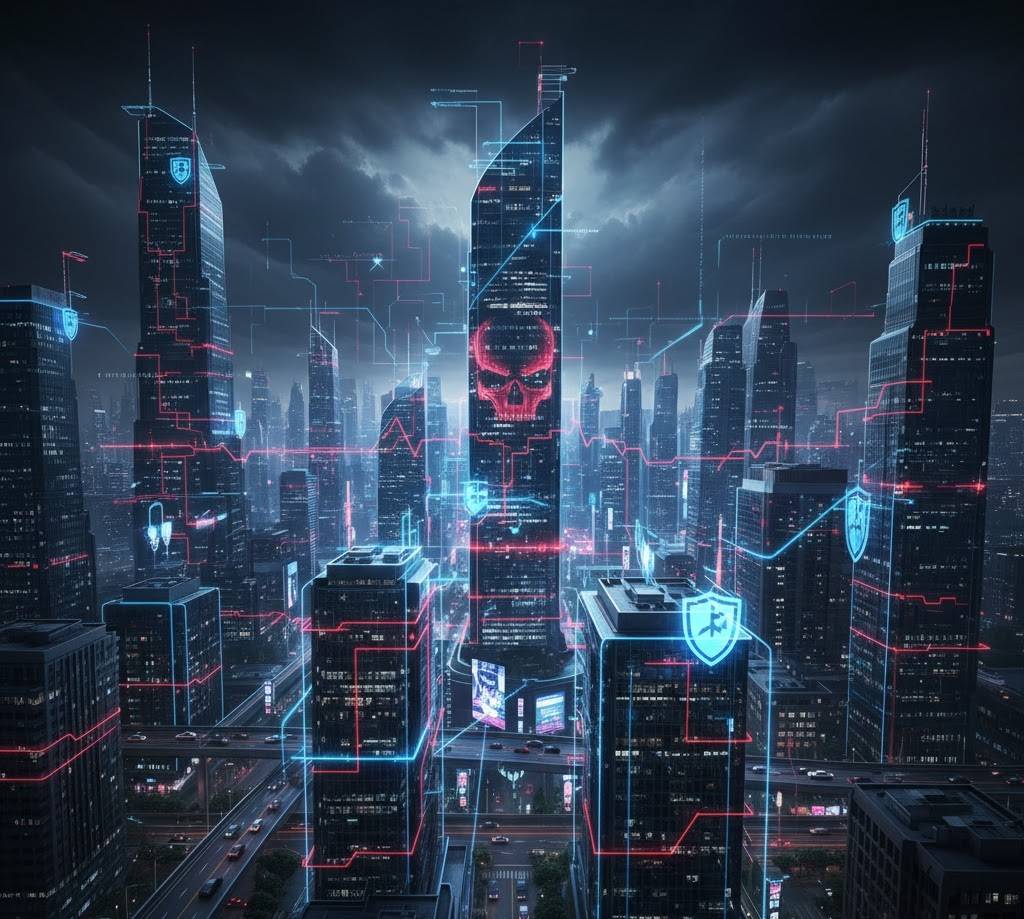
But this isn’t cause for despair—it’s a call to action. Understanding these threats is the first step in defending against them. The cybersecurity community is innovating rapidly, developing AI-powered defenses that learn and adapt just as quickly as the threats they face.
The Bottom Line
Autonomous hacking represents a fundamental shift in cybersecurity. We’re no longer just defending against human attackers with limited time and resources. We’re facing algorithms that never tire, learn continuously, and can execute attacks at a scale previously unimaginable.
The key takeaway? Cybersecurity is no longer just an IT department problem—it’s everyone’s responsibility. Stay informed, stay vigilant, and embrace security tools that leverage AI for protection, not exploitation.
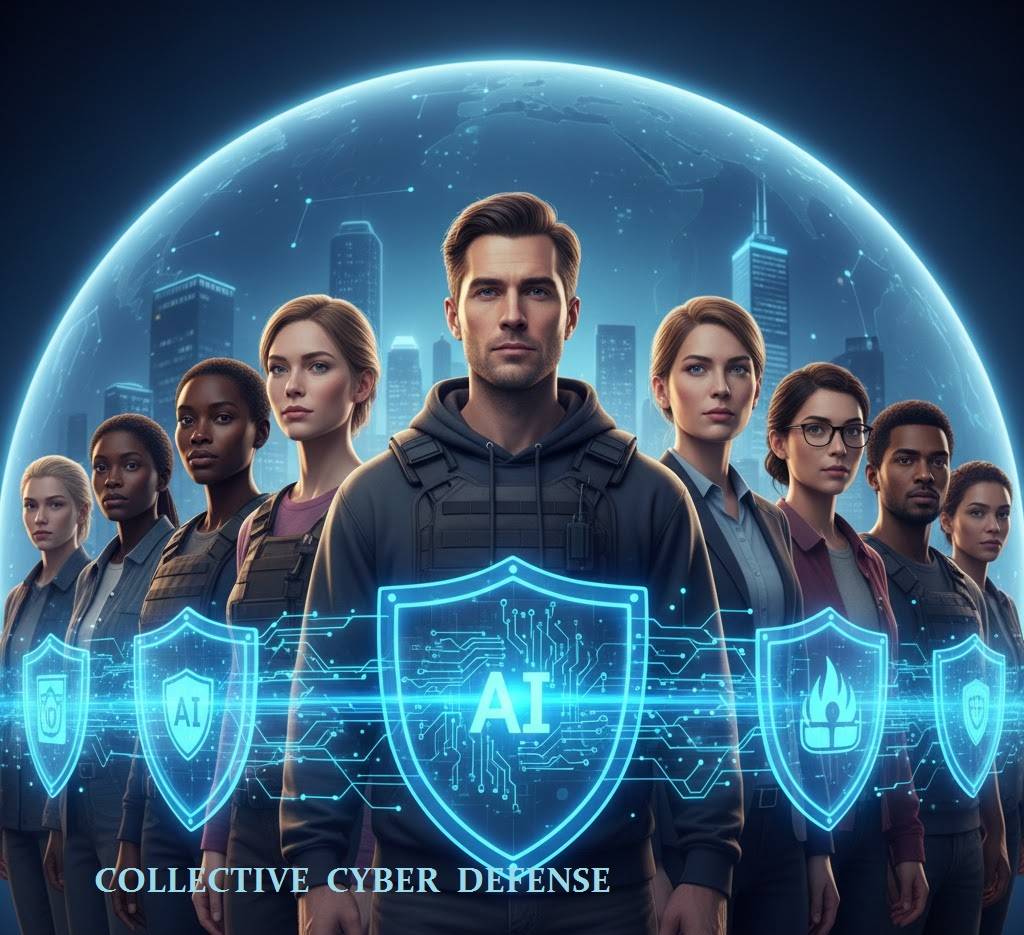
The future of cybersecurity will be defined by how we harness AI’s power for defense while staying ahead of those who weaponize it. In this new digital arms race, knowledge truly is our best protection.