
Discover innovative garden path design ideas that transform your outdoor spaces into stunning autumn walkways perfect for fall 2026. This comprehensive guide showcases modern pathway solutions that blend functionality with seasonal beauty, creating inviting routes through your landscape. Each design concept balances aesthetic appeal with practical considerations like drainage, durability, and maintenance for long-lasting results. Learn how strategic material choices, lighting integration, and complementary plantings can create pathways that celebrate fall’s rich colors and cozy atmosphere. These inspiring ideas cater to various budgets, property sizes, and design preferences from contemporary minimalism to rustic charm. Embrace outdoor living with garden paths that guide visitors through beautiful landscapes while enhancing your home’s curb appeal throughout the autumn season.
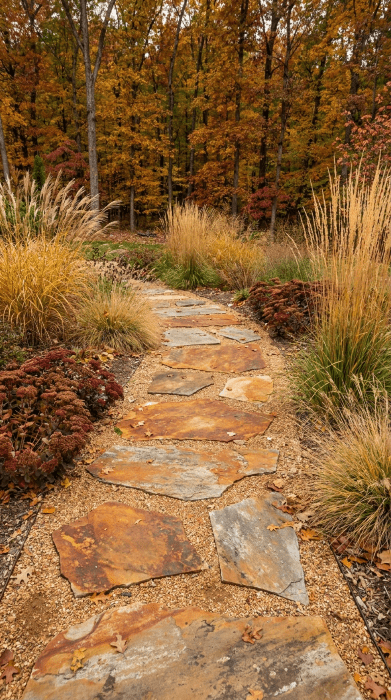
1. Natural Flagstone Stepping Paths
Install irregular flagstone stepping stones set in gravel or mulch beds that create organic, meandering pathways perfect for fall garden strolls and leaf-peeping walks. Choose flagstone in warm earth tones like rust, amber, and weathered gray that complement autumn foliage while providing natural slip resistance for wet fall conditions. Space stones approximately 24 inches apart center-to-center for comfortable walking strides while allowing plantings to fill the gaps between stones beautifully. Surround paths with fall perennials like ornamental grasses, sedum, and asters that add seasonal color and texture alongside the natural stone. This informal approach works well in cottage gardens and naturalistic landscapes where rigid geometry feels out of place. The permeable design allows excellent drainage during fall rains while creating charming, casual pathways that invite exploration.
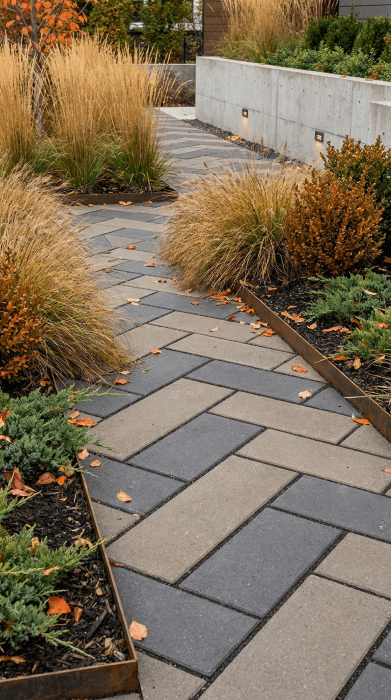
2. Modern Concrete Paver Walkways
Create sleek, contemporary garden paths using large-format concrete pavers in geometric patterns that provide clean lines and minimalist aesthetics for modern fall landscapes. Select pavers in charcoal, warm gray, or taupe tones with smooth or lightly textured surfaces that complement contemporary architecture while providing adequate traction. Install pavers in running bond, stacked bond, or herringbone patterns with narrow joints filled with polymeric sand for stability and weed prevention. Flank pathways with modern plantings like ornamental grasses, structural evergreens, and fall-blooming perennials in monochromatic or limited color palettes. This design approach works exceptionally well with mid-century modern, contemporary, or minimalist home styles seeking clean outdoor aesthetics. The durable surface withstands freeze-thaw cycles common in fall while requiring minimal maintenance beyond occasional cleaning.
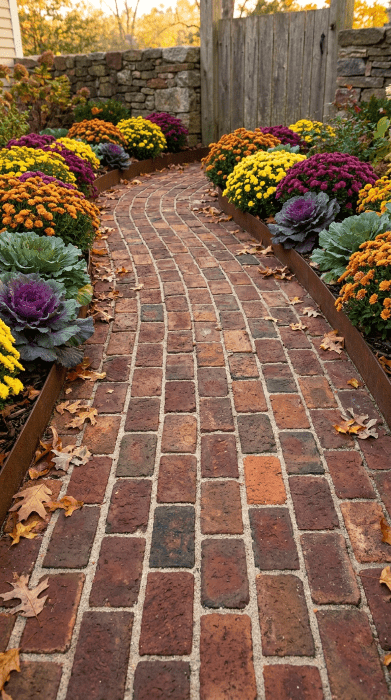
3. Rustic Reclaimed Brick Pathways
Lay reclaimed brick pavers in traditional patterns like running bond or basketweave that evoke timeless charm and historic character for cozy fall garden pathways. Choose bricks in varied reds, browns, and weathered tones that develop beautiful patinas over time while providing authentic old-world appeal. Install bricks on compacted sand bases with polymeric sand joints that allow for slight movement while maintaining stability through freeze-thaw cycles. Edge pathways with metal or stone edging that contains the bricks while adding definition between path and planting beds. Surround paths with traditional fall plantings like chrysanthemums, ornamental cabbages, and heirloom perennials that enhance the nostalgic atmosphere. This classic approach works beautifully with colonial, craftsman, or farmhouse architecture seeking authentic period character.
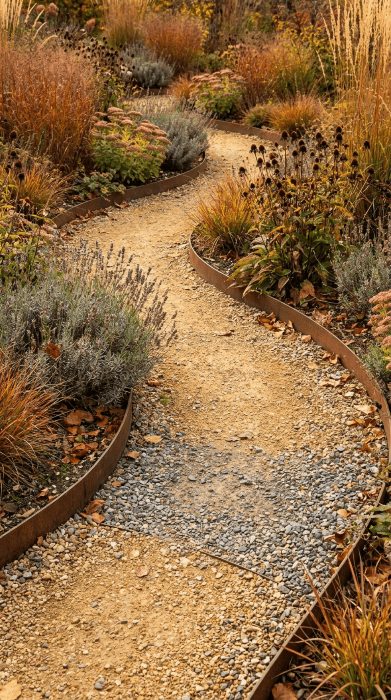
4. Gravel and Stone Blend Paths
Construct permeable garden pathways using compacted gravel bases with decorative stone toppings that provide excellent drainage and rustic appeal for fall landscapes. Choose gravel in warm tones like golden tan, weathered gray, or earthy brown that complement autumn colors while providing stable walking surfaces. Install edging materials like metal, stone, or wood that contain the gravel while creating clean boundaries between path and garden beds. Rake paths regularly to maintain even surfaces and redistribute stones displaced by foot traffic during the fall season. Plant drought-tolerant perennials and ornamental grasses along edges that thrive with minimal water while adding textural contrast to the gravel. This budget-friendly option works well in xeriscape gardens, rural properties, or informal landscapes seeking natural aesthetics.
5. Wooden Boardwalk Garden Paths
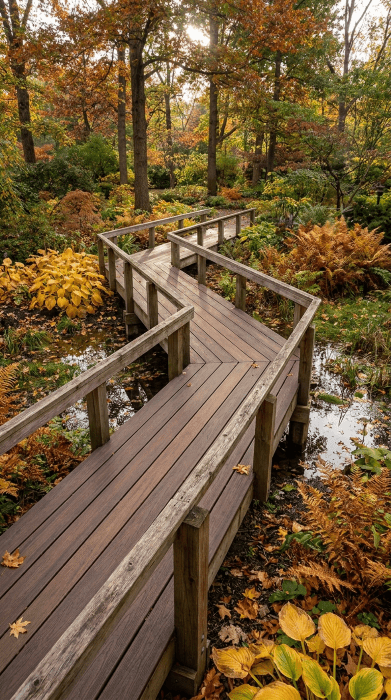
Build elevated wooden boardwalks using weather-resistant materials like cedar, redwood, or composite decking that create dramatic pathways through wet areas or sloped fall gardens. Construct boardwalks on pressure-treated posts with proper spacing for drainage and air circulation beneath the walking surface. Install handrails on both sides for safety, especially important during wet fall conditions when wood surfaces become slippery. Choose wood tones that complement natural surroundings or stain in rich browns and grays that weather beautifully over time. Flank boardwalks with moisture-loving plants like ferns, hostas, and native wetland species that thrive in the microclimate created. This solution works exceptionally well for properties with drainage issues, stream crossings, or significant elevation changes.
6. Cobblestone European-Style Paths
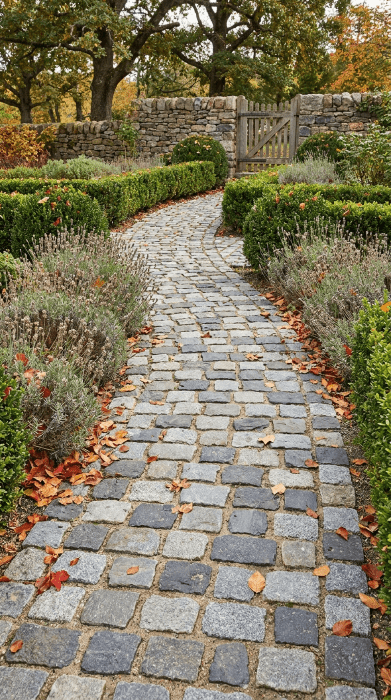
Install authentic or reproduction cobblestone pathways that create old-world European charm and timeless elegance for sophisticated fall garden designs. Choose cobblestones in granite, basalt, or concrete in varying sizes and gray tones that mimic historic European streets and courtyards. Set stones in sand or mortar beds with irregular patterns that develop character and patina over years of use and weathering. Create gentle crowns or slopes in the path surface that shed water effectively while adding visual interest to the walking surface. Border paths with traditional plantings like lavender, boxwood, and climbing roses that enhance the European garden aesthetic. This luxurious option works beautifully with Mediterranean, Tudor, or formal garden styles seeking authentic old-world character.
7. Illuminated LED Path Lighting
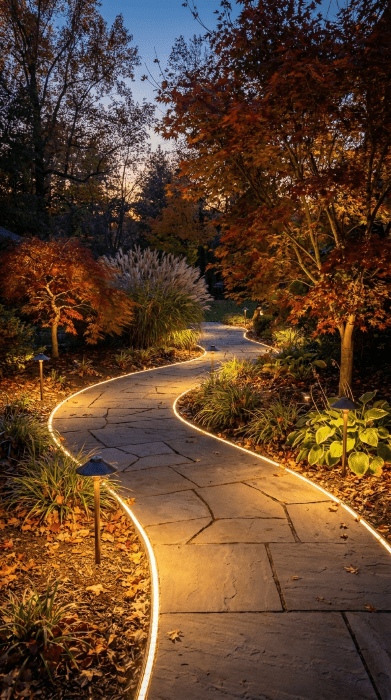
Integrate LED lighting systems into garden pathways that provide safety, ambiance, and dramatic nighttime appeal for fall evening gatherings and entertaining. Install low-voltage LED path lights along pathway edges at 6-8 foot intervals that provide adequate illumination without light pollution or glare. Choose fixtures in bronze, black, or copper finishes that complement fall aesthetics while withstanding outdoor weather conditions year-round. Consider solar-powered LED options that charge during daylight hours and automatically illuminate at dusk without electrical wiring requirements. Position lights to highlight architectural features, specimen plantings, or path curves that create visual interest after sunset. This enhancement extends pathway usability into evening hours while adding safety and dramatic appeal to fall landscapes.
8. Curved Organic Flow Paths
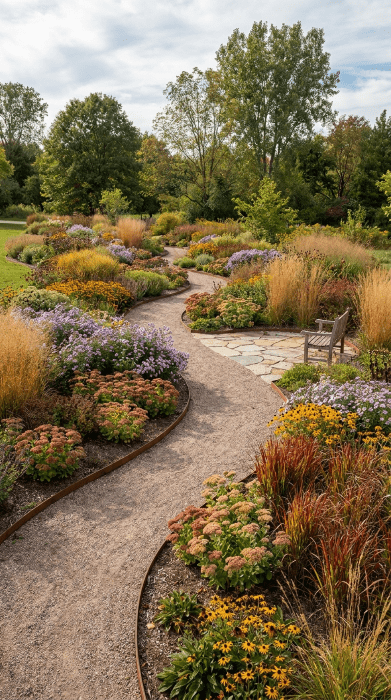
Design meandering garden pathways with gentle curves that follow natural land contours and create visual interest through fall landscapes. Lay out paths using garden hoses or spray paint to establish flowing curves that feel natural rather than forced or artificial. Install edging materials that accommodate curves smoothly, using flexible metal, cut stone, or segmented pavers that bend with the design. Plant sweeping beds along curves with fall perennials, ornamental grasses, and shrubs that emphasize the organic flow and movement. Create wider sections at curves for resting spots or focal points that invite pause and appreciation of surroundings. This approach works well in naturalistic gardens, larger properties, or landscapes seeking relaxed, informal aesthetics that mimic nature.
9. Permeable Paver Eco Paths
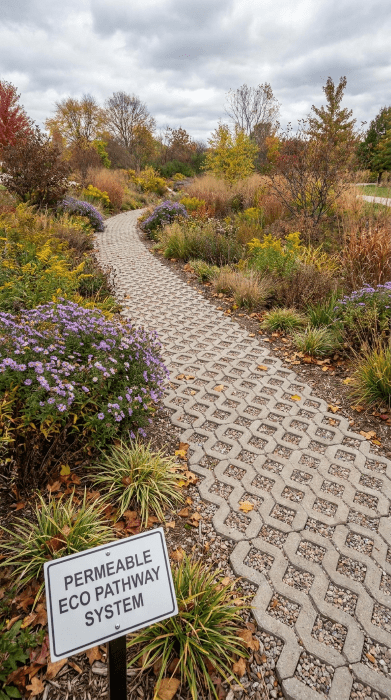
Install permeable paver systems that allow water infiltration while providing stable, attractive pathways for environmentally conscious fall garden designs. Choose permeable pavers in concrete, stone, or recycled materials with open joints or porous surfaces that facilitate rainwater absorption. Fill joints with small gravel or sand that filters water while maintaining structural integrity and preventing weed growth. Design paths with slight crowns or slopes that direct water toward permeable surfaces rather than creating puddles or runoff. Surround paths with rain gardens or bioswales that capture and filter additional stormwater while adding ecological value. This sustainable approach reduces environmental impact while creating functional, beautiful pathways perfect for eco-friendly fall landscapes.
10. Stepping Stone and Mulch Combinations
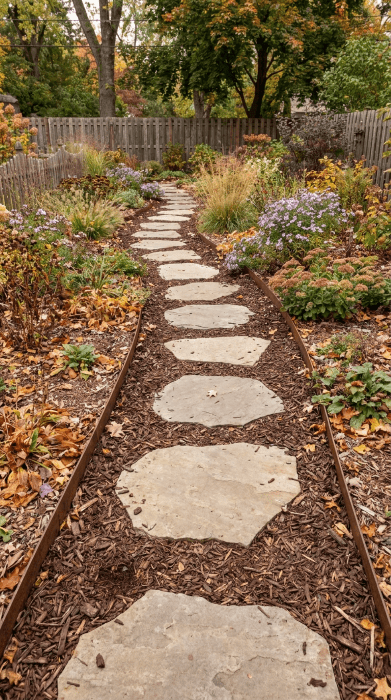
Create casual garden pathways using large stepping stones set in organic mulch beds that provide informal charm and easy installation for fall landscapes. Select stepping stones in natural materials like flagstone, slate, or concrete in sizes 18-24 inches diameter for comfortable footing. Space stones approximately 24 inches apart in organic patterns that accommodate natural walking strides without feeling rigid or forced. Fill spaces between stones with shredded bark, wood chips, or cocoa mulch that suppresses weeds while adding rich fall colors and aromas. Edge the entire path with metal or stone borders that contain mulch while defining pathway boundaries clearly. This budget-friendly option works well in cottage gardens, woodland settings, or informal landscapes seeking relaxed aesthetics.
11. Geometric Pattern Paver Designs
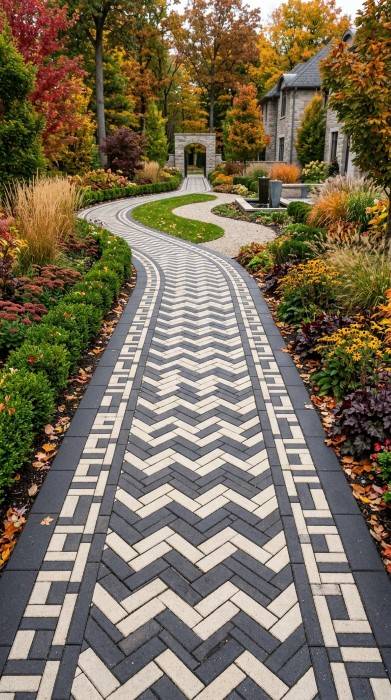
Install garden pathways featuring bold geometric patterns using pavers in contrasting colors and shapes that create visual drama and modern appeal. Design patterns like herringbone, basketweave, or custom geometric motifs using pavers in two or more complementary colors. Use contrasting paver colors like charcoal and cream, or rust and gray that create striking visual patterns visible from above and eye level. Frame geometric patterns with solid border courses that contain the design while adding definition to pathway edges. This sophisticated approach works best in contemporary gardens, formal landscapes, or entry pathways where visual impact is paramount. The intricate patterns require skilled installation but create stunning results that elevate outdoor spaces significantly.
12. Natural Stone Slab Walkways
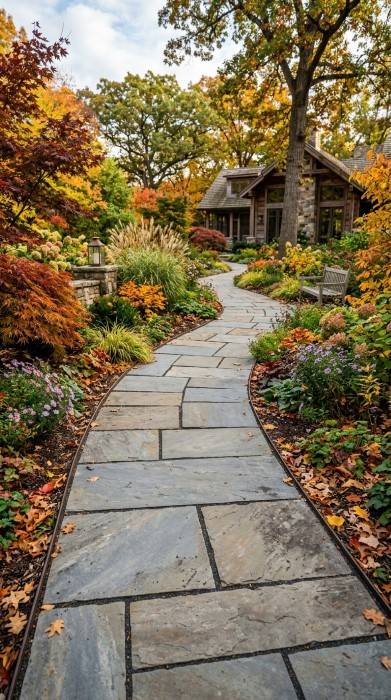
Lay large natural stone slabs in organic or formal patterns that create elegant, timeless pathways perfect for sophisticated fall garden designs. Choose slabs in materials like bluestone, flagstone, or sandstone in sizes 2×3 feet or larger for impressive visual impact. Install slabs on compacted gravel bases with sand bedding that provides stability while allowing for natural drainage beneath. Set slabs with consistent 1/2 to 1-inch joints filled with polymeric sand or fine gravel that prevents weed growth while maintaining permeability. Edge pathways with matching stone or metal edging that contains the slabs while adding refined finishes to path edges. This premium option creates luxurious pathways that increase property values while providing durable, beautiful surfaces for decades.
13. Recycled Material Pathways
Construct eco-friendly garden paths using recycled materials like reclaimed brick, crushed concrete, or repurposed wood that reduce environmental impact while creating unique aesthetics. Source reclaimed brick from demolition sites that provides authentic character and weathered patinas impossible to replicate with new materials. Use crushed concrete as a base or surface material that diverts waste from landfills while providing stable, permeable walking surfaces. Install reclaimed wood borders or stepping stones from old barns or structures that add rustic charm and historical character. This sustainable approach reduces costs while creating one-of-a-kind pathways with stories and character that new materials cannot match. Perfect for eco-conscious homeowners seeking unique, environmentally responsible fall garden solutions.
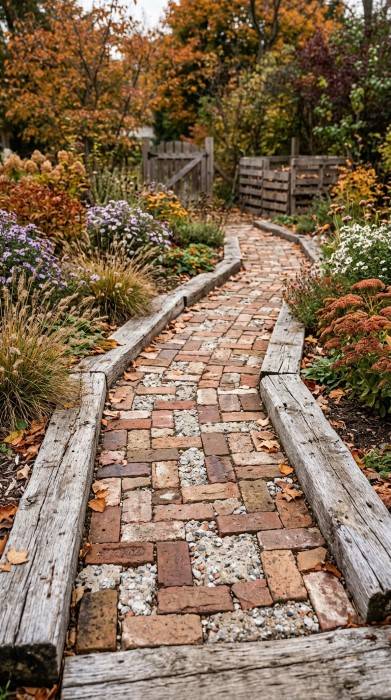
14. Raised Boardwalk Garden Paths
Build elevated garden pathways on raised platforms that solve drainage issues, protect plant roots, or create dramatic visual interest in fall landscapes. Construct raised paths using composite decking, cedar, or pressure-treated lumber on concrete piers or helical piles for stability. Design paths 6-12 inches above grade for subtle elevation or 18-24 inches for dramatic effect and improved drainage underneath. Install proper railings and lighting for safety, especially important for elevated paths used during evening fall gatherings. Plant beneath and alongside raised paths with shade-tolerant species that benefit from the microclimate created by the overhead structure. This solution works well for wet sites, root protection zones, or creating multi-level garden experiences in fall landscapes.
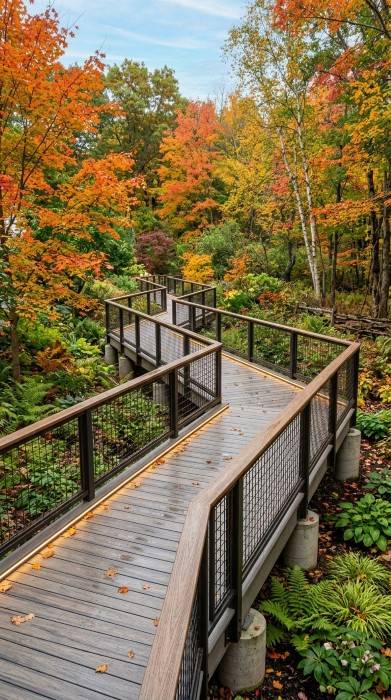
15. Mosaic Art Path Designs
Create stunning garden pathways featuring mosaic art installations using tile, stone, or glass pieces that add artistic flair and personal expression. Design mosaic patterns in path centers, borders, or focal points using materials in fall colors like amber, rust, gold, and deep purple. Set mosaic pieces in mortar beds with proper slopes for drainage while creating durable, weather-resistant artistic surfaces. Protect mosaics with appropriate sealants that preserve colors while withstanding freeze-thaw cycles common in fall and winter. Commission local artists or create DIY mosaics that reflect personal style while adding unique character to garden pathways. This artistic approach transforms functional paths into outdoor galleries that showcase creativity while providing beautiful walking surfaces.
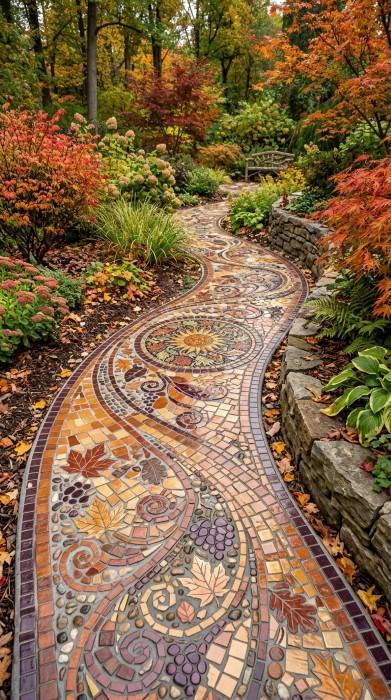
16. Drought-Tolerant Xeriscape Paths
Design water-wise garden pathways using drought-tolerant materials and plantings that reduce irrigation needs while creating beautiful, sustainable fall landscapes. Install paths using decomposed granite, gravel, or permeable pavers that require no watering while providing stable walking surfaces. Plant pathway edges with native drought-tolerant species like sedum, yarrow, ornamental grasses, and Mediterranean plants that thrive with minimal water. Use organic mulches like bark or gravel that suppress weeds while retaining soil moisture for adjacent plantings. Design paths with proper drainage that captures and directs rainwater to planting areas rather than creating runoff. This eco-friendly approach reduces water consumption while creating resilient, low-maintenance pathways perfect for fall and beyond.
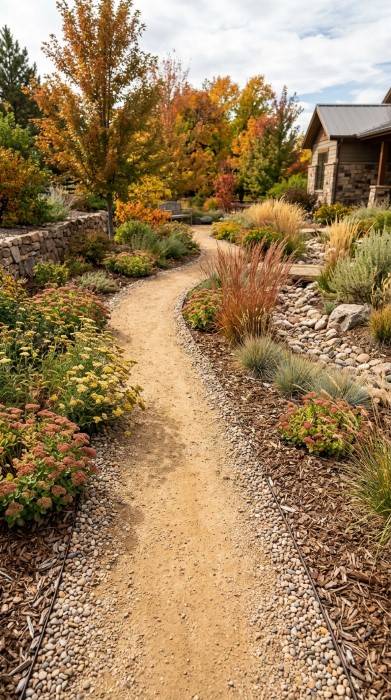
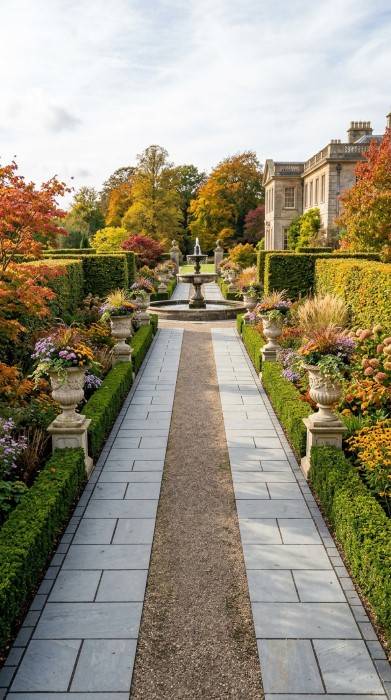
17. Formal Symmetrical Garden Paths
Create elegant, formal garden pathways with symmetrical designs, matching plantings, and refined materials that evoke classical garden traditions for sophisticated fall landscapes. Install paths using uniform materials like cut stone, brick, or concrete pavers in precise geometric patterns with consistent joints and alignments. Flank pathways with identical plantings on both sides using clipped hedges, topiaries, or formal perennial beds that mirror each other perfectly. Add symmetrical features like matching benches, urns, or sculptures at regular intervals that reinforce the formal aesthetic and create rhythm. Use axial alignments that draw the eye toward focal points like fountains, statues, or architectural features at path termini. This classical approach works beautifully with traditional architecture, estate gardens, or formal landscapes seeking timeless elegance.
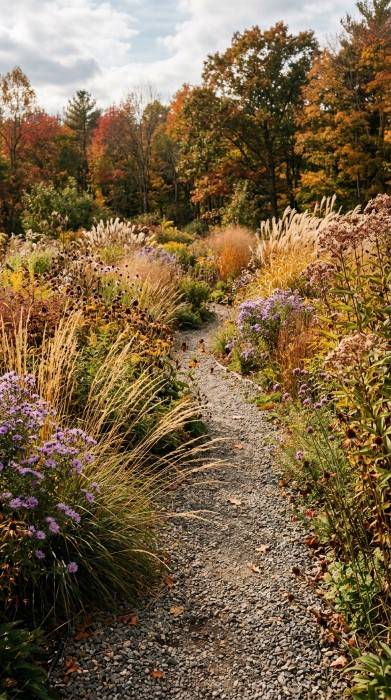
18. Informal Meadow Garden Paths
Design relaxed, naturalistic pathways through meadow plantings that create casual, romantic atmospheres perfect for informal fall garden experiences. Install simple paths using mulch, gravel, or stepping stones that minimize disturbance to surrounding meadow plantings and wildlife habitats. Allow paths to meander naturally through masses of ornamental grasses, wildflowers, and native perennials that sway in autumn breezes. Keep path widths narrow at 3-4 feet for intimate experiences or widen to 6 feet where meanderings create gathering spaces. Mow or maintain paths regularly while allowing adjacent meadow plantings to grow naturally and reseed for sustainable ecosystems. This approach works beautifully in naturalistic gardens, wildlife-friendly landscapes, or properties seeking relaxed, romantic fall atmospheres.
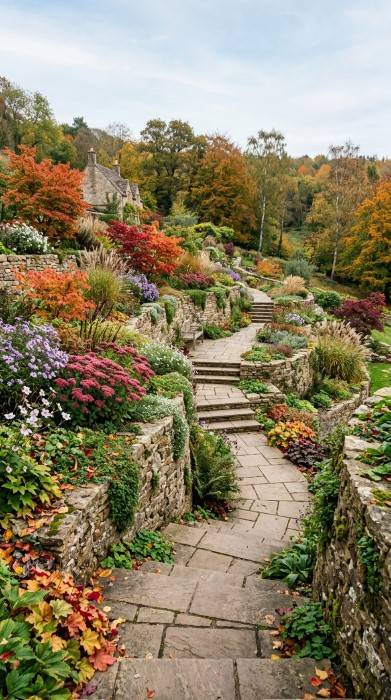
19. Multi-Level Terraced Paths
Create dynamic garden pathways that navigate elevation changes through terraced levels connected by steps, ramps, or switchbacks for dramatic fall landscapes. Design terraces using retaining walls in stone, brick, or concrete that create level platforms for path segments at different elevations. Connect levels with wide, comfortable steps featuring 6-7 inch risers and 12-14 inch treads for safe, easy navigation in fall weather. Install proper drainage behind retaining walls and beneath path surfaces that prevents water accumulation and frost heave damage. Plant terraced levels with cascading perennials, groundcovers, and shrubs that soften hardscape edges while adding seasonal interest. This solution works well for sloped properties, creating usable garden space while adding visual drama and functional circulation.
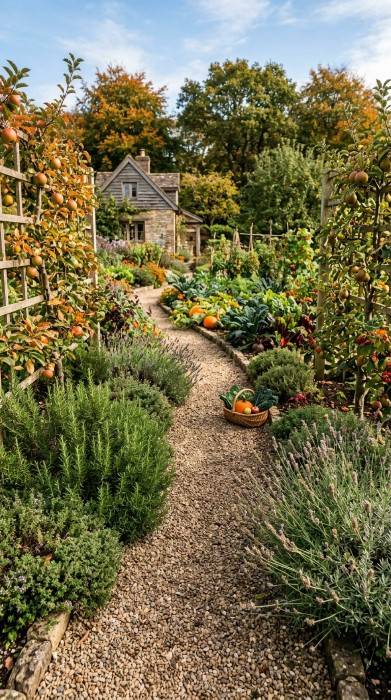
20. Edible Garden Path Integration
Design garden pathways that integrate edible plantings alongside or within paths that provide beauty, function, and harvestable crops for fall landscapes. Install paths using permeable materials that allow root growth for adjacent edible plantings while providing stable walking surfaces. Plant pathway edges with herbs like rosemary, thyme, and lavender that spill onto paths releasing fragrance when brushed against while walking. Incorporate espaliered fruit trees along path sides or create arbor tunnels overhead with grapes, kiwi, or climbing beans for vertical production. Use wide path edges or dedicated beds for vegetables, berries, and edible flowers that provide continuous harvests throughout the season. This productive approach combines beauty with functionality, creating gardens that feed families while providing beautiful fall pathways.
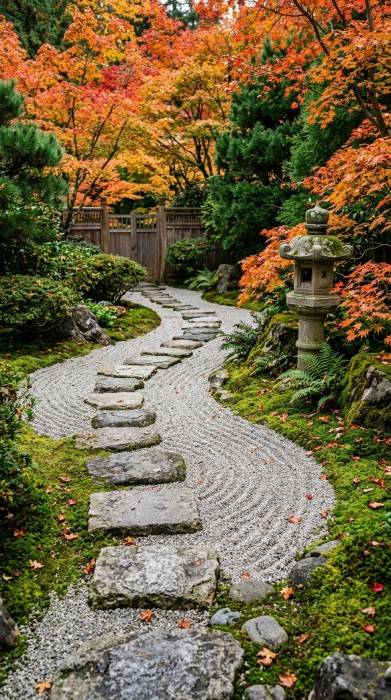
21. Japanese-Inspired Zen Paths
Create contemplative garden pathways inspired by Japanese design principles that emphasize simplicity, natural materials, and mindful movement through fall landscapes. Install paths using natural materials like irregular stepping stones, gravel, or moss that encourage slow, deliberate walking and meditation. Rake gravel or sand areas in patterns that represent water flow while placing stepping stones to force mindful foot placement and awareness. Frame paths with carefully selected plantings like Japanese maples, evergreens, and moss that provide year-round structure and seasonal interest. Incorporate elements like stone lanterns, water basins, or bamboo accents that enhance the Zen aesthetic while providing focal points. This peaceful approach creates meditative outdoor spaces that promote relaxation and mindfulness during autumn’s reflective season.
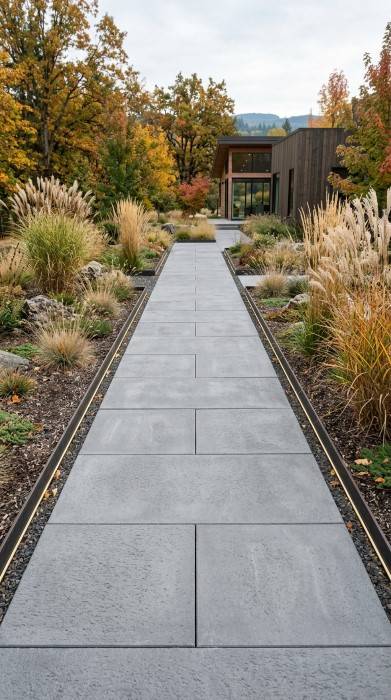
22. Contemporary Minimalist Paths
Design sleek, modern garden pathways using minimal materials, clean lines, and restrained plantings that create sophisticated contemporary fall landscapes. Install paths using large-format pavers, poured concrete, or linear wood decking in monochromatic or limited color palettes for maximum visual impact. Keep path widths generous at 5-6 feet to emphasize spaciousness while maintaining minimalist proportions and clean geometries. Plant sparingly with structural species like ornamental grasses, architectural succulents, or clipped evergreens that complement rather than overwhelm the design. Use hidden lighting, invisible drainage, and seamless transitions that maintain clean aesthetics without visible infrastructure or clutter. This refined approach works beautifully with modern architecture, creating outdoor spaces that feel like extensions of contemporary interior design.
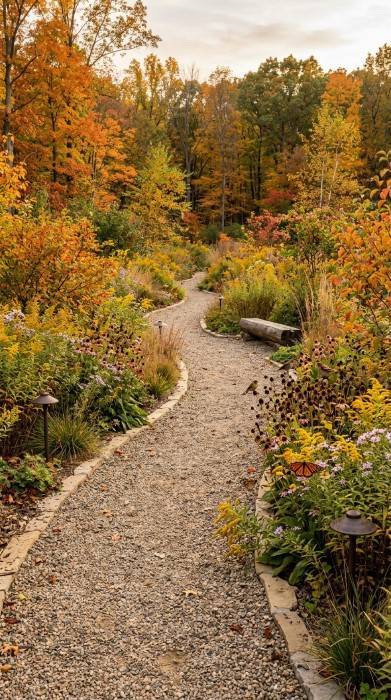
23. Wildlife-Friendly Habitat Paths
Create garden pathways designed to support local wildlife while providing beautiful, functional circulation through fall landscapes and natural habitats. Install paths using permeable materials that allow water infiltration and minimize disturbance to soil ecosystems and beneficial organisms. Leave wide buffer zones of 10-20 feet on each side planted with native species that provide food, shelter, and nesting sites for birds, butterflies, and beneficial insects. Create path edges with gentle slopes rather than sharp vertical drops that allow small animals to access path areas safely without trapping. Use dark-sky compliant lighting that minimizes light pollution while providing adequate safety illumination for evening use without disrupting wildlife. This ecological approach creates gardens that support biodiversity while providing beautiful, functional pathways for human enjoyment.
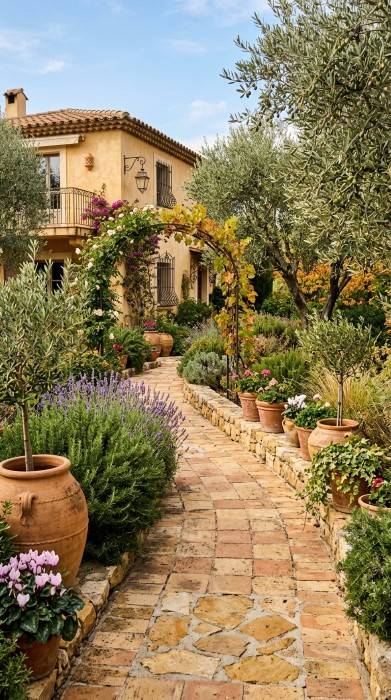
24. Mediterranean Villa Paths
Design romantic garden pathways inspired by Mediterranean landscapes using warm materials, aromatic plantings, and relaxed elegance for inviting fall outdoor spaces. Install paths using terracotta pavers, natural stone, or gravel in warm earth tones like ochre, terracotta, and golden tan that evoke Mediterranean sunshine. Plant pathway edges with aromatic Mediterranean species like lavender, rosemary, sage, and olive trees that release fragrances when brushed against or warmed by sun. Incorporate features like terra cotta pots, wrought iron accents, or fountain elements that enhance the Mediterranean aesthetic and provide focal points. Use permeable surfaces and drought-tolerant plantings that reflect Mediterranean climate adaptations while creating sustainable, low-maintenance landscapes. This inviting approach creates outdoor spaces that feel like European vacations while providing practical, beautiful fall pathways.
25. Accessible Universal Design Paths
Create garden pathways designed for universal accessibility that accommodate wheelchairs, walkers, and varying mobility levels while maintaining beautiful aesthetics for fall landscapes. Install paths with minimum 5-foot widths for wheelchair turning radius and comfortable two-person side-by-side walking for companions or caregivers. Maintain maximum 1:20 slope (5% grade) with resting areas every 30 feet for those with limited stamina or using mobility devices. Use smooth, firm, slip-resistant surfaces like textured concrete, fine gravel, or solid pavers that accommodate wheels while providing traction in wet fall conditions. Install handrails on both sides where slopes exceed 1:20, with proper heights and continuous grips for safety and support. This inclusive approach ensures gardens are enjoyable for all ages and abilities while meeting ADA guidelines and creating beautiful, functional pathways.
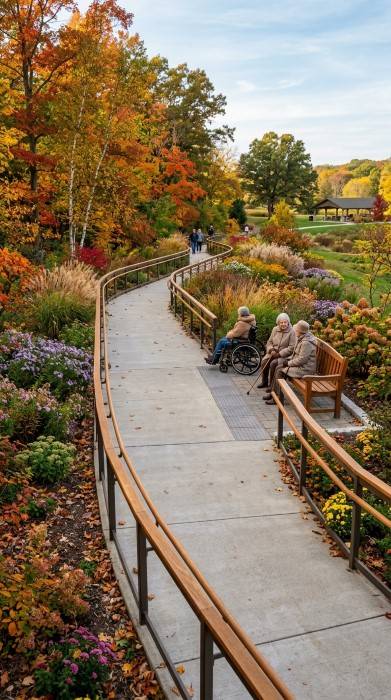
26. Seasonal Color Theme Paths
Design garden pathways that celebrate fall’s spectacular colors through strategic material choices and complementary plantings that create cohesive autumn themes. Select path materials in warm fall tones like rust pavers, amber gravel, or copper-toned metals that harmonize with autumn foliage and seasonal changes. Plant pathway edges with fall-color champions like Japanese maples, burning bush, oakleaf hydrangea, and ornamental grasses that provide spectacular seasonal displays. Layer plantings for extended interest with early fall bloomers transitioning to mid-season colors and late-fall foliage for months of visual appeal. Add seasonal containers or accents in complementary fall colors that can be changed yearly for fresh looks while maintaining the overall theme. This celebratory approach creates pathways that become destinations themselves, showcasing fall’s natural beauty at its finest.
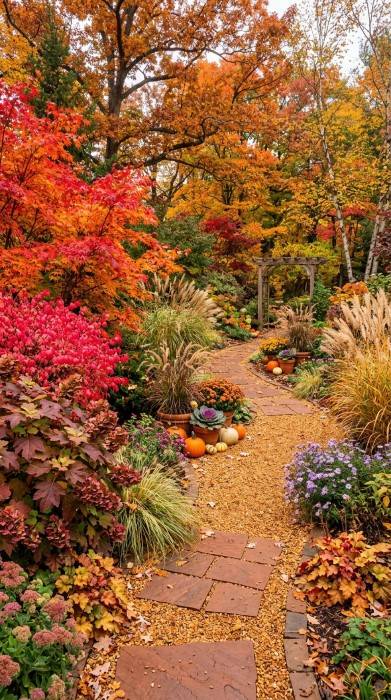
27. Smart Technology Integrated Paths
Incorporate smart technology into garden pathways that enhances functionality, safety, and convenience while maintaining beautiful aesthetics for modern fall landscapes. Install motion-sensor LED lighting that activates when movement is detected, providing safety illumination while conserving energy and reducing light pollution. Embed soil moisture sensors along path edges that monitor irrigation needs for adjacent plantings, sending data to smartphone apps for efficient water management. Use permeable pavers with integrated heating elements that prevent ice and snow accumulation during late fall and early winter for year-round accessibility. Install smart irrigation systems with weather-based controllers that adjust watering based on rainfall, temperature, and seasonal needs automatically. This innovative approach combines traditional garden beauty with modern convenience, creating intelligent outdoor spaces that respond to user needs.
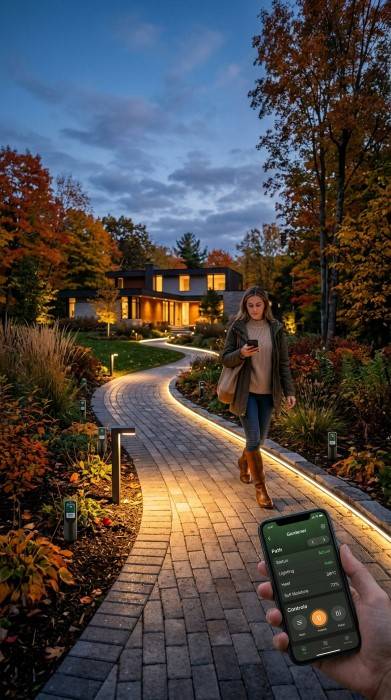
28. Cottage Garden Charm Paths
Create romantic, informal garden pathways that embody cottage garden charm with overflowing plantings, rustic materials, and whimsical details perfect for cozy fall landscapes. Install paths using reclaimed brick, weathered flagstone, or gravel that develop character and patina over time while providing casual, inviting surfaces. Allow plantings to spill generously onto path edges with roses, perennials, herbs, and self-seeding annuals that create soft, romantic borders overflowing with color and fragrance. Add whimsical elements like rustic arbors, vintage gates, or handmade signs that enhance the cottage aesthetic while providing focal points and charm. Keep path widths narrow at 3-4 feet for intimate experiences that encourage close appreciation of overflowing plantings and seasonal details. This enchanting approach creates storybook gardens that feel timeless, romantic, and deeply personal for fall enjoyment.
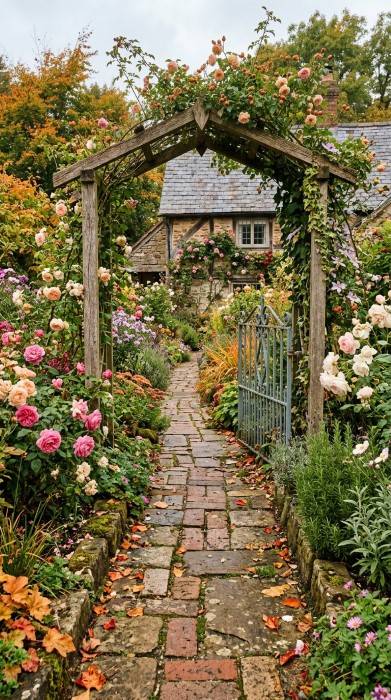
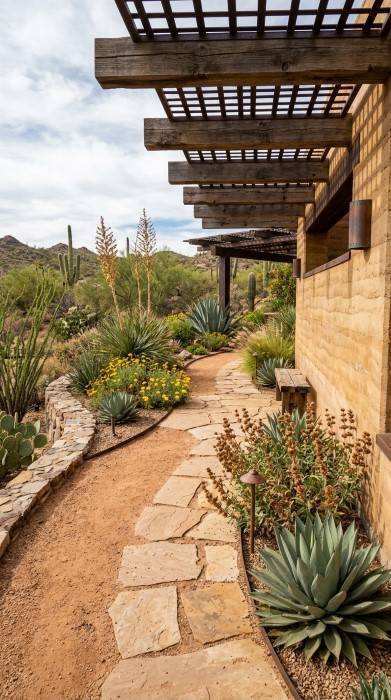
29. Desert Southwest Style Paths
Design garden pathways inspired by Southwest desert landscapes using native materials, drought-tolerant plantings, and earth-toned palettes that celebrate arid-region beauty for fall. Install paths using decomposed granite, flagstone, or concrete in warm desert tones like terracotta, sand, and weathered red that complement Southwest architecture and landscapes. Plant pathway edges with native desert species like agave, yucca, penstemon, and desert marigold that thrive with minimal water while providing sculptural interest and seasonal blooms. Incorporate natural materials like rammed earth walls, rustic wood accents, or metal details in iron or copper that enhance the Southwest aesthetic authentically. Use wide overhangs, shade structures, or pergolas that provide relief from intense sun while creating architectural interest along pathways. This regional approach creates landscapes that honor local ecology and climate while providing beautiful, sustainable fall pathways.
30. Rain Garden Path Systems
Integrate garden pathways with rain garden systems that manage stormwater, reduce runoff, and create beautiful, functional landscapes that celebrate fall’s wetter weather naturally. Design paths with crowns or slopes that direct rainwater toward adjacent rain gardens rather than allowing it to pool on walking surfaces or run off the property. Install permeable path surfaces like gravel, permeable pavers, or porous concrete that allow water infiltration while providing stable, attractive walking surfaces. Create rain garden basins along path edges planted with water-tolerant native species that filter pollutants, absorb excess water, and provide habitat for beneficial wildlife. Use overflow channels or dry creek beds that handle heavy rainfall events while adding visual interest and natural drainage features to the landscape. This ecological approach turns stormwater management into beautiful design opportunities while creating resilient, sustainable fall gardens.
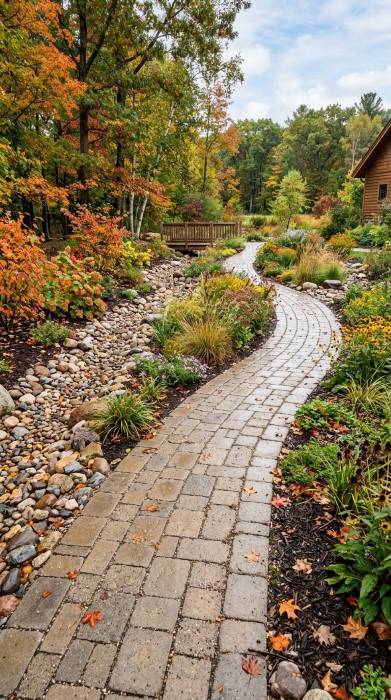
31. Multi-Season Transition Paths
Create versatile garden pathways designed to look beautiful and function well across all seasons while highlighting fall’s unique character and transitional beauty in landscapes. Select path materials in neutral tones like gray, tan, or warm brown that complement spring blooms, summer greens, fall colors, and winter’s stark beauty equally well. Plant pathway edges with multi-season interest species that provide spring flowers, summer foliage, fall color, and winter structure or berries for year-round appeal. Design paths with proper drainage and materials that handle freeze-thaw cycles, heavy rains, and temperature extremes without deteriorating or becoming unsafe. Incorporate elements like evergreens, structural grasses, or ornamental bark that maintain visual interest during fall transitions and into winter dormancy periods. This thoughtful approach creates pathways that serve as constant, reliable elements while celebrating each season’s unique beauty, especially fall’s spectacular transition.
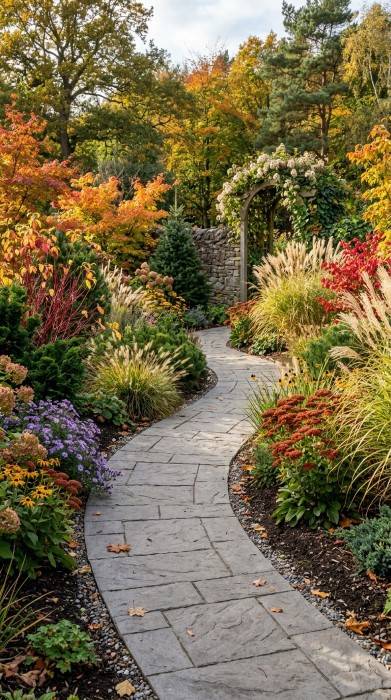
These 31 garden path design ideas for fall 2026 provide comprehensive inspiration for creating beautiful, functional outdoor pathways that celebrate autumn’s unique beauty while serving practical circulation needs. Each concept balances aesthetic appeal with important considerations like drainage, accessibility, sustainability, and maintenance requirements for long-term success. Whether you prefer formal elegance, rustic charm, modern minimalism, or naturalistic designs, these adaptable ideas suit various budgets, property sizes, and personal style preferences. The professional image prompts help visualize each concept clearly, making it easier to plan and execute your perfect fall garden pathway transformation. Start creating your dream outdoor circulation system today with these innovative designs that blend timeless beauty with seasonal celebration. Your ideal fall garden path awaits with these expert-inspired ideas for modern, stylish, and sustainable outdoor living spaces.