Transform your outdoor areas into stunning, low-maintenance gardens that flourish beautifully from summer warmth through autumn’s crisp days in 2026. This comprehensive guide presents practical garden solutions that balance aesthetic appeal with easy care requirements for busy homeowners. Each idea showcases versatile plants, smart design strategies, and seasonal transitions that keep your garden vibrant year-round. Discover how thoughtful planning and the right plant selections can create outdoor spaces that thrive with minimal effort and maximum impact. These inspiring concepts cater to various skill levels, yard sizes, and climate zones for accessible gardening success. Embrace outdoor living with gardens that reward you with beauty, tranquility, and seasonal interest from summer through fall.
1. Drought-Tolerant Perennial Borders
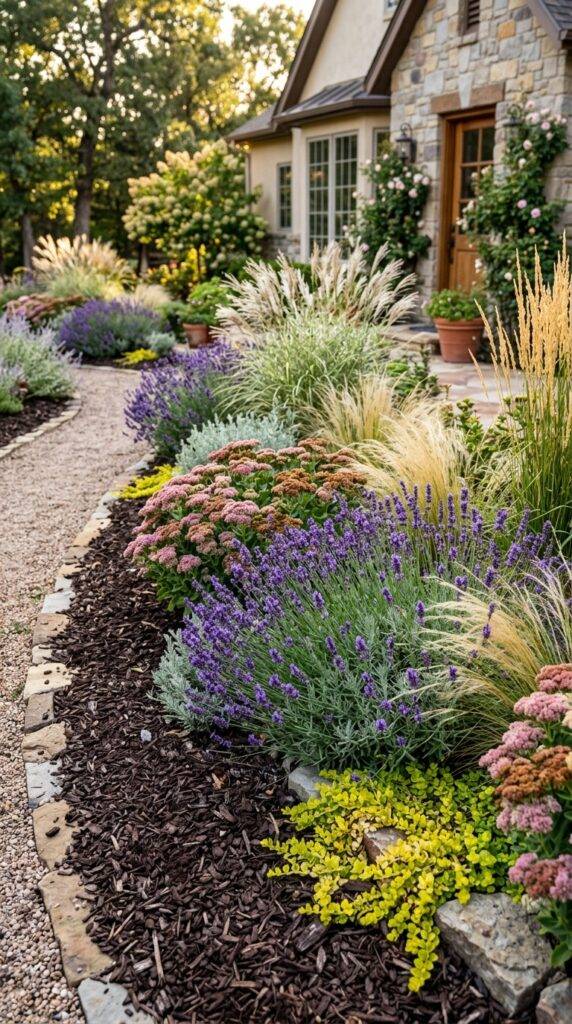
Create stunning garden borders using drought-resistant perennials like lavender, sedum, and ornamental grasses that thrive with minimal watering throughout summer and fall. These hardy plants establish deep root systems that access moisture naturally while providing continuous color and texture across seasons. Group plants with similar water needs together to simplify irrigation and ensure each receives appropriate care without waste. Choose varieties in complementary colors like purple, silver, and gold that create cohesive visual appeal while attracting beneficial pollinators. Mulch heavily around plantings to retain soil moisture, suppress weeds, and regulate temperature fluctuations during seasonal transitions. This sustainable approach reduces maintenance time while creating resilient gardens that look spectacular with minimal intervention.
2. Raised Bed Vegetable Gardens
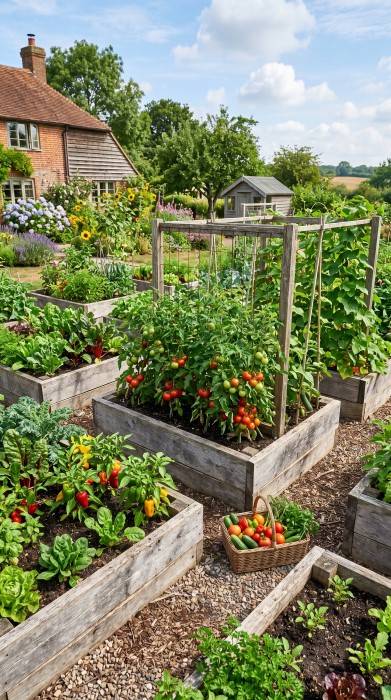
Install attractive raised garden beds filled with easy-to-grow vegetables like tomatoes, peppers, and leafy greens that provide fresh produce from summer harvests into fall. Construct beds from weathered wood, stone, or composite materials that complement your home’s architecture while providing excellent drainage and soil control. Plan succession plantings so as summer crops finish, fall varieties like kale, Brussels sprouts, and root vegetables take their place seamlessly. Add trellises or support structures for climbing plants that maximize vertical space while creating visual interest and organization. Raised beds reduce bending and weeding, making gardening more accessible and enjoyable for homeowners of all ages and abilities. This productive approach combines beauty with functionality, creating gardens that feed your family while enhancing curb appeal.
3. Container Garden Collections
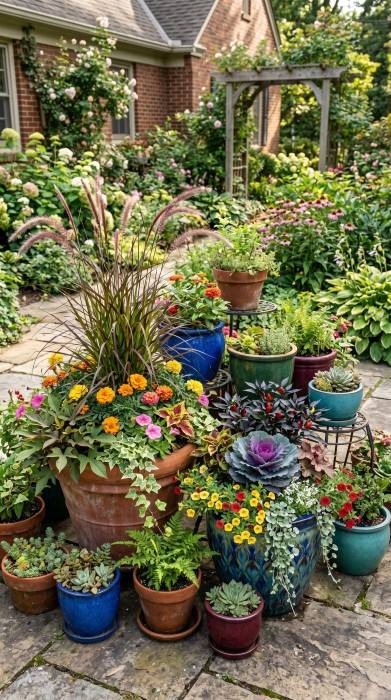
Curate collections of potted plants in various sizes and materials that create flexible, movable garden displays perfect for patios, decks, and small outdoor spaces. Choose containers in complementary colors and textures like terracotta, glazed ceramic, and weathered metal that add visual interest even before plants are added. Plant combinations featuring thriller-filler-spiller formulas with upright plants, mounding varieties, and trailing vines that create balanced, professional-looking arrangements. Select plants that transition well from summer to fall like ornamental peppers, flowering kale, and evergreen herbs that maintain interest across seasons. Group containers in odd numbers and varying heights to create dynamic compositions that draw the eye and maximize impact. This adaptable approach allows easy seasonal updates and rearrangement while requiring minimal space and maintenance commitment.
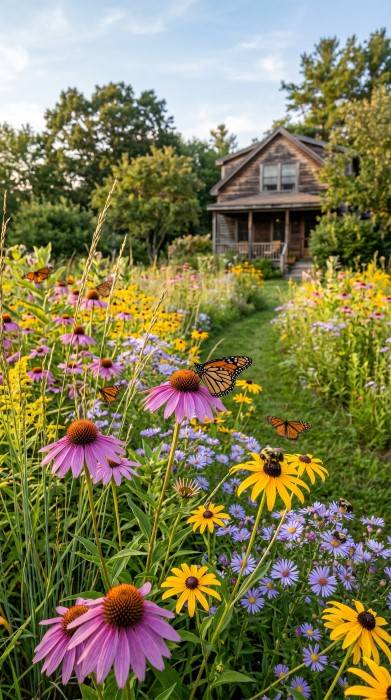
4. Pollinator-Friendly Flower Meadows
Transform lawn areas or unused spaces into naturalistic meadows filled with native wildflowers that attract butterflies, bees, and beneficial insects throughout the growing season. Choose regionally appropriate native species that bloom sequentially from early summer through late fall, ensuring continuous food sources for pollinators. Include plants like coneflowers, black-eyed Susans, asters, and goldenrod that provide vibrant colors while supporting local ecosystems and biodiversity. Allow grasses to grow naturally among flowers, creating movement and texture while providing habitat for birds and beneficial insects. Reduce or eliminate lawn mowing in these areas, saving time and resources while creating stunning, low-maintenance landscapes that change with the seasons. This ecological approach creates gardens that serve environmental purposes while providing natural beauty and wildlife viewing opportunities.
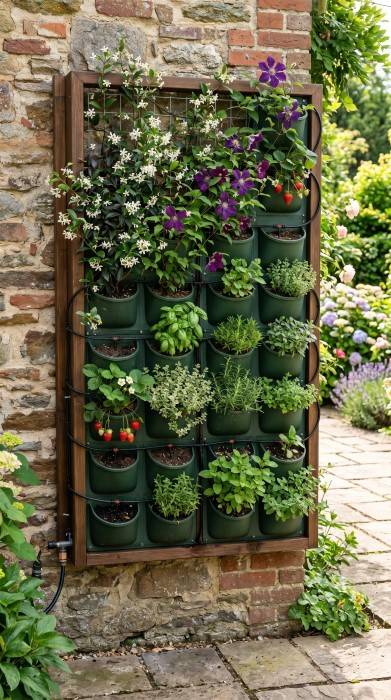
5. Vertical Garden Walls
Maximize limited space by installing vertical growing systems on fences, walls, or freestanding structures that support climbing plants, herbs, and cascading flowers. Use modular pocket planters, trellis panels, or wire systems that allow easy plant installation and maintenance while creating living art on vertical surfaces. Plant evergreen climbers like jasmine or clematis for year-round structure, combined with seasonal annuals that provide summer color and fall interest. Incorporate edible plants like strawberries, herbs, and compact vegetables that produce harvests while adding beauty and functionality to vertical spaces. Install drip irrigation systems that deliver water efficiently to all levels, ensuring plants receive consistent moisture without manual watering of each individual pocket. This space-saving solution transforms blank walls into lush, productive gardens that maximize every square inch of outdoor area.
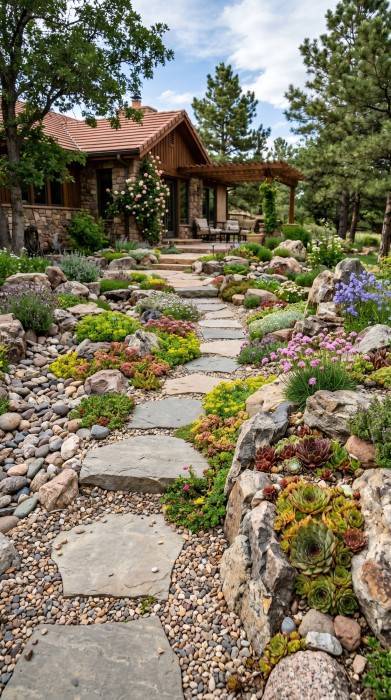
6. Rock Garden Landscapes
Design low-maintenance rock gardens using various sizes of stones, gravel, and alpine plants that create textural interest while requiring minimal water and care. Arrange rocks naturally, partially burying them to mimic mountainous landscapes while creating microclimates for different plant species to thrive. Select drought-tolerant plants like sedums, sempervivums, and alpine flowers that nestle between rocks, providing color and softening hard edges beautifully. Use gravel or crushed stone as mulch to suppress weeds, improve drainage, and create cohesive visual flow throughout the garden design. Incorporate pathways or stepping stones that allow access for maintenance while adding functional elements to the aesthetic composition. This xeriscaping approach creates stunning gardens that thrive in challenging conditions while requiring minimal ongoing maintenance and water resources.
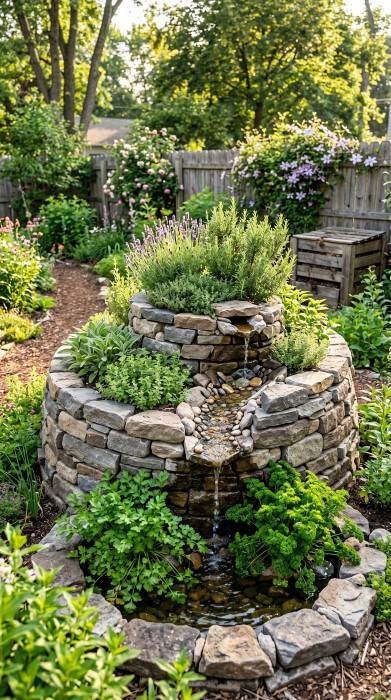
7. Herb Spiral Gardens
Build spiral-shaped raised herb gardens that create multiple growing zones with different moisture and sun conditions in a compact, attractive footprint. Construct spirals using stone, brick, or reclaimed materials that add height and visual interest while providing excellent drainage for Mediterranean herbs. Plant moisture-loving herbs like parsley and cilantro at the base, transitioning to drought-tolerant varieties like rosemary, thyme, and lavender at the top. The spiral design maximizes planting space while creating microclimates that allow diverse herbs to thrive together in close proximity. Add a small water feature or irrigation at the top that trickles down, providing moisture gradient and soothing sounds to the garden space. This permaculture-inspired design combines functionality with beauty, creating productive gardens that supply fresh herbs throughout the growing season.
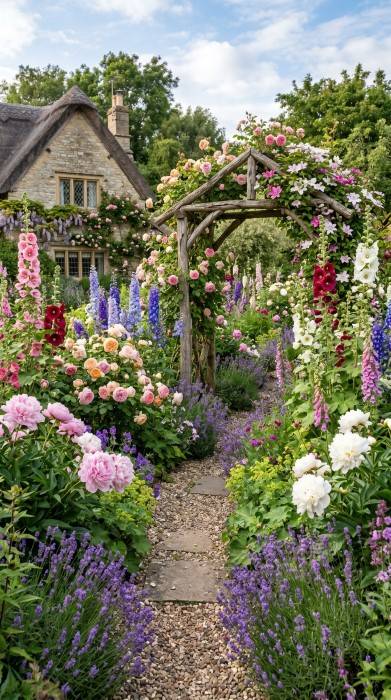
8. Cottage Garden Borders
Create romantic, overflowing garden borders filled with mixed perennials, annuals, and self-seeding plants that evoke traditional English cottage garden charm. Combine old-fashioned favorites like roses, hollyhocks, delphiniums, and peonies with companion plants that support each other and fill spaces naturally. Allow plants to intermingle freely, creating a relaxed, abundant appearance that feels effortless while actually requiring thoughtful plant selection and placement. Include fragrant plants like lavender, roses, and sweet peas that engage the senses and create memorable garden experiences throughout the seasons. Add rustic elements like weathered arbors, stone pathways, or vintage containers that enhance the cottage aesthetic and provide structural interest. This nostalgic approach creates gardens that feel timeless and welcoming, with continuous blooms from early summer through the first fall frosts.
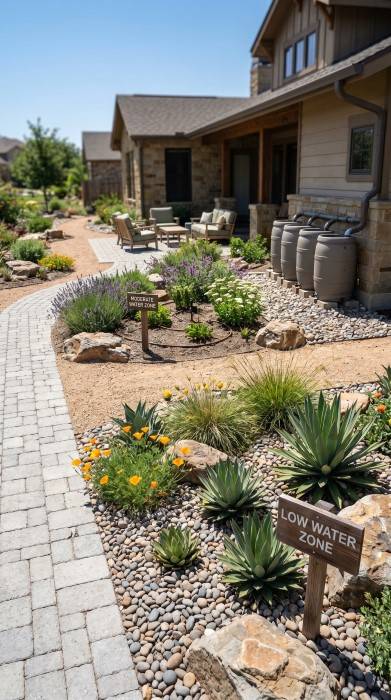
9. Water-Wise Xeriscape Designs
Implement comprehensive xeriscaping principles using native plants, efficient irrigation, and strategic design that conserves water while creating beautiful, sustainable landscapes. Group plants according to water needs, placing thirstier varieties near water sources and drought-tolerant species in drier areas of the garden. Replace water-intensive lawns with ground covers, gravel gardens, or meadow plantings that provide greenery without excessive irrigation requirements. Install rain barrels and permeable paving that capture and utilize rainfall, reducing dependence on municipal water sources and lowering utility costs. Choose plants adapted to local climate conditions that thrive with natural rainfall patterns and require minimal supplemental watering once established. This environmentally responsible approach creates resilient gardens that look spectacular while conserving precious water resources and reducing maintenance demands.
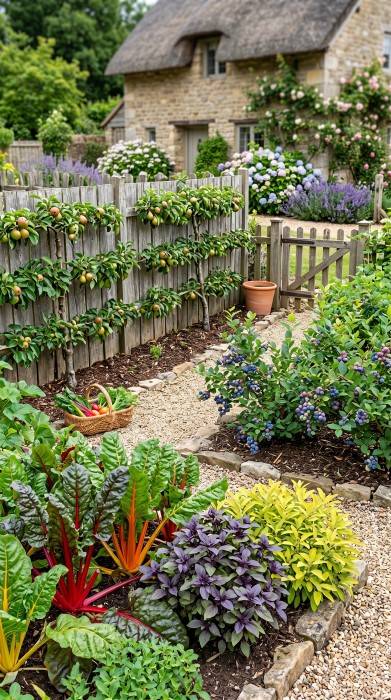
10. Edible Ornamental Gardens
Integrate beautiful edible plants throughout ornamental garden beds, creating productive landscapes that feed families while maintaining aesthetic appeal and visual interest. Plant colorful Swiss chard with rainbow stems alongside flowers, or use blueberry bushes as ornamental shrubs that provide spring flowers, summer fruit, and fall foliage. Incorporate fruit trees trained as espaliers along fences, maximizing production in small spaces while adding architectural elements to garden designs. Mix herbs like purple basil, golden sage, and variegated thyme with ornamental plants, creating multi-functional beds that serve both beauty and culinary purposes. Design gardens with succession in mind, so as one plant finishes production, another takes its place, maintaining continuous visual and edible interest. This productive approach transforms traditional ornamental gardens into abundant landscapes that provide fresh food while remaining visually stunning.
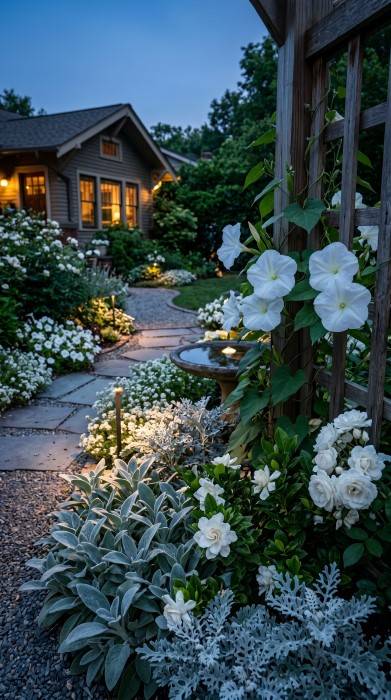
11. Moon Garden Evening Spaces
Create enchanting gardens designed for evening enjoyment featuring white and pale-colored flowers, silver foliage, and fragrant plants that shine in moonlight. Plant night-blooming flowers like moonflower, evening primrose, and night-blooming jasmine that release intoxicating fragrances after sunset. Include plants with white or silver foliage like lamb’s ear, dusty miller, and variegated hostas that reflect available light and glow in darkness. Add white flowering plants like gardenias, white roses, and nicotiana that provide visual interest and sweet scents during evening hours. Incorporate light-colored hardscaping, white garden ornaments, or reflective surfaces that catch and amplify available light for magical nighttime ambiance. This sensory garden creates peaceful retreats perfect for evening relaxation, outdoor dining, or quiet contemplation under the stars.
12. Four-Season Interest Gardens
Design gardens with plants selected for year-round appeal, ensuring beauty and interest from spring emergence through winter dormancy and everything between. Include evergreen structural plants that provide backbone and form during dormant seasons, combined with plants offering multiple seasons of interest. Choose trees and shrubs with spring flowers, summer foliage, fall color, and winter berries or interesting bark for continuous visual appeal. Incorporate ornamental grasses that provide summer movement, fall seed heads, and winter structure while requiring minimal maintenance throughout the year. Plan bloom times carefully so that as one plant finishes flowering, another begins, creating seamless transitions and continuous color from spring through fall. This thoughtful approach ensures gardens remain attractive and engaging throughout all seasons, maximizing the return on landscaping investments.
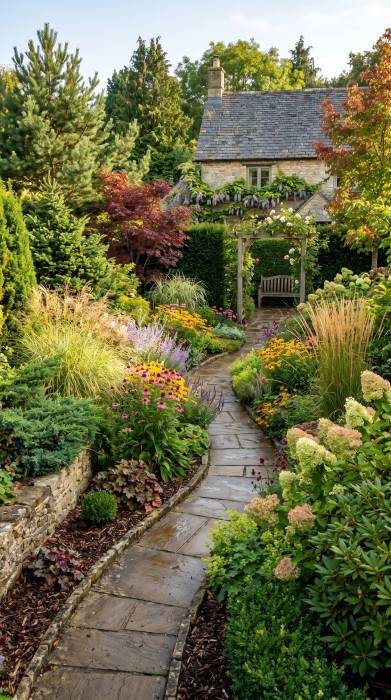
13. Butterfly and Hummingbird Gardens
Cultivate specialized gardens designed to attract and support butterflies and hummingbirds with nectar-rich flowers, host plants, and appropriate habitat features. Plant tubular flowers in red, orange, and pink hues like bee balm, cardinal flower, and trumpet vine that hummingbirds find irresistible and visit frequently. Include butterfly host plants like milkweed for monarchs, parsley for swallowtails, and asters for various species that need specific plants for egg-laying. Provide shallow water sources, sunny basking spots, and shelter from wind that create complete habitats supporting these beneficial pollinators throughout their life cycles. Avoid pesticide use and choose organic gardening methods that protect delicate insects while maintaining healthy, balanced garden ecosystems naturally. These living gardens provide entertainment and education while supporting declining pollinator populations and enhancing local biodiversity significantly.
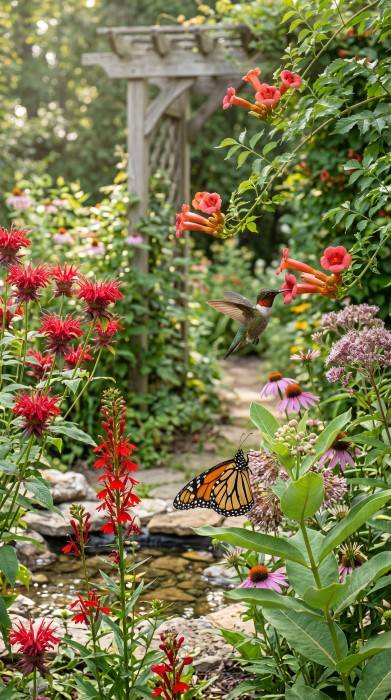
14. Shade Garden Solutions
Transform challenging shady areas into lush, verdant gardens using plants specifically adapted to low-light conditions that thrive where others struggle. Select shade-loving perennials like hostas, ferns, astilbes, and bleeding hearts that provide varied textures, heights, and seasonal interest in dim conditions. Incorporate flowering shade plants like impatiens, begonias, and fuchsias that add bright colors to areas that might otherwise appear dark and uninviting. Use light-colored foliage plants and variegated varieties that brighten shady corners and reflect available light more effectively than dark-leaved plants. Add reflective surfaces, light-colored mulch, or strategic lighting that enhances visibility and creates brighter atmospheres in naturally dark garden spaces. These solutions prove that challenging conditions can become garden strengths, creating cool, peaceful retreats perfect for relaxation during hot summer days.
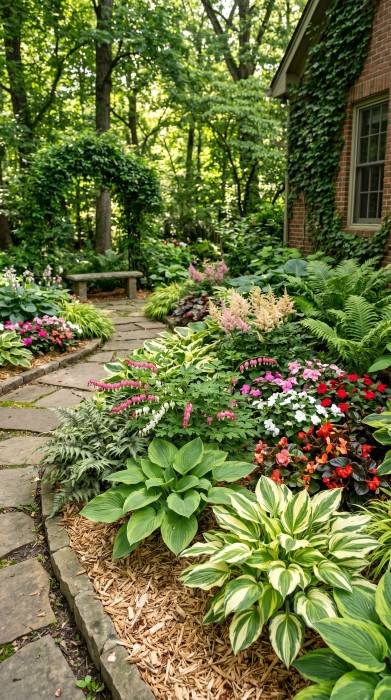
15. Gravel Garden Pathways
Install permeable gravel pathways that provide practical access through gardens while adding textural interest and reducing maintenance compared to traditional lawns or paving. Choose gravel in colors that complement your home and garden aesthetic, from natural gray and tan to more dramatic white or black varieties. Edge pathways clearly with metal, stone, or plant borders that contain gravel while creating clean lines and defined garden rooms within the landscape. Plant drought-tolerant perennials and ornamental grasses along pathway edges that soften hardscape elements and create naturalistic, flowing designs. Use stepping stones or larger pavers at intervals for stable footing and visual interest, breaking up gravel expanses while providing practical walking surfaces. This sustainable approach reduces water usage, eliminates mowing, and creates attractive, low-maintenance gardens that drain well and look effortlessly stylish.
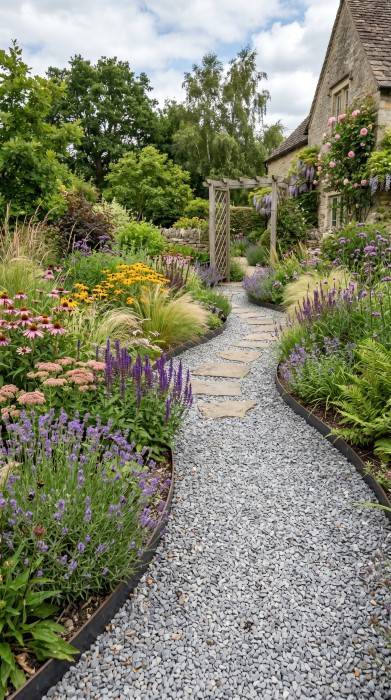
16. Fragrant Garden Sensations
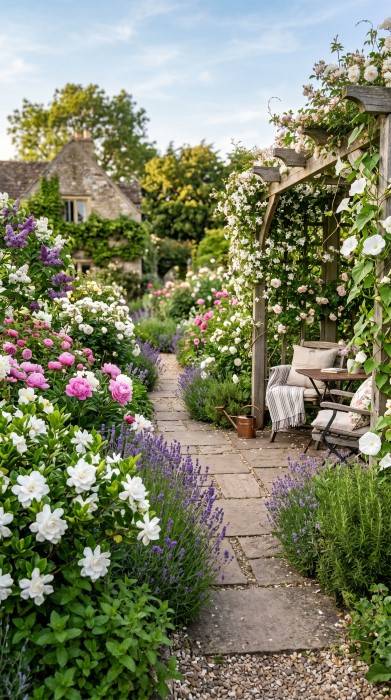
Design gardens specifically focused on fragrance, planting aromatic flowers, herbs, and foliage plants that engage the sense of smell throughout the growing season. Include heavily scented flowers like roses, lilacs, peonies, and gardenias that fill the air with perfume during their blooming periods from spring through fall. Plant fragrant herbs like lavender, rosemary, mint, and lemon balm that release scents when brushed against or warmed by summer sun. Add evening-scented plants like moonflower, nicotiana, and jasmine that become more fragrant as temperatures cool and daylight fades. Position fragrant plants near seating areas, pathways, and windows where their scents can be fully appreciated and enjoyed during daily outdoor activities. These sensory gardens create memorable experiences and emotional connections, making outdoor spaces more inviting and therapeutic for relaxation and stress relief.
17. Native Plant Ecosystems
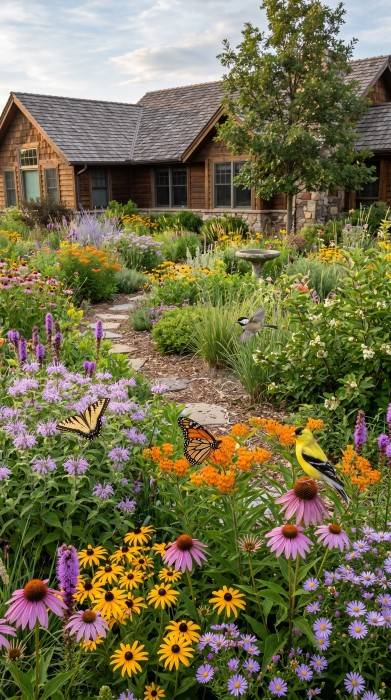
Establish gardens using exclusively native plants adapted to local climate, soil, and wildlife that create sustainable, low-maintenance landscapes supporting regional ecosystems. Research plants indigenous to your area that have evolved to thrive with natural rainfall patterns, temperature ranges, and soil conditions without supplemental care. Choose native wildflowers, grasses, shrubs, and trees that provide food and habitat for local birds, butterflies, and beneficial insects throughout the year. Group plants in naturalistic drifts and masses that mimic how they grow in the wild, creating authentic ecosystems rather than formal garden arrangements. Eliminate or reduce lawn areas in favor of native ground covers and meadow plantings that require no mowing, fertilizing, or excessive watering. This ecologically responsible approach creates resilient gardens that support biodiversity while requiring minimal inputs and maintenance from homeowners.
18. Container Vegetable Production
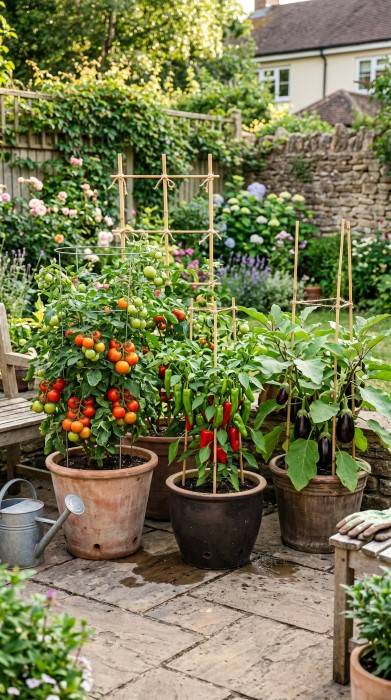
Maximize food production in small spaces using containers, grow bags, and vertical systems that allow vegetable gardening on patios, balconies, and small yards. Select compact or dwarf varieties of tomatoes, peppers, eggplants, and other vegetables specifically bred for container growing and limited root spaces. Use large containers with adequate drainage, quality potting mix, and consistent watering schedules that keep plants healthy and productive throughout the growing season. Install trellises, cages, and support structures that maximize vertical growing space while keeping plants organized and fruits off the ground. Practice succession planting and interplanting techniques that ensure continuous harvests from spring through fall, replacing finished crops with new plantings promptly. This intensive approach allows urban gardeners and those with limited space to grow significant amounts of fresh, organic produce at home.
19. Rain Garden Water Management
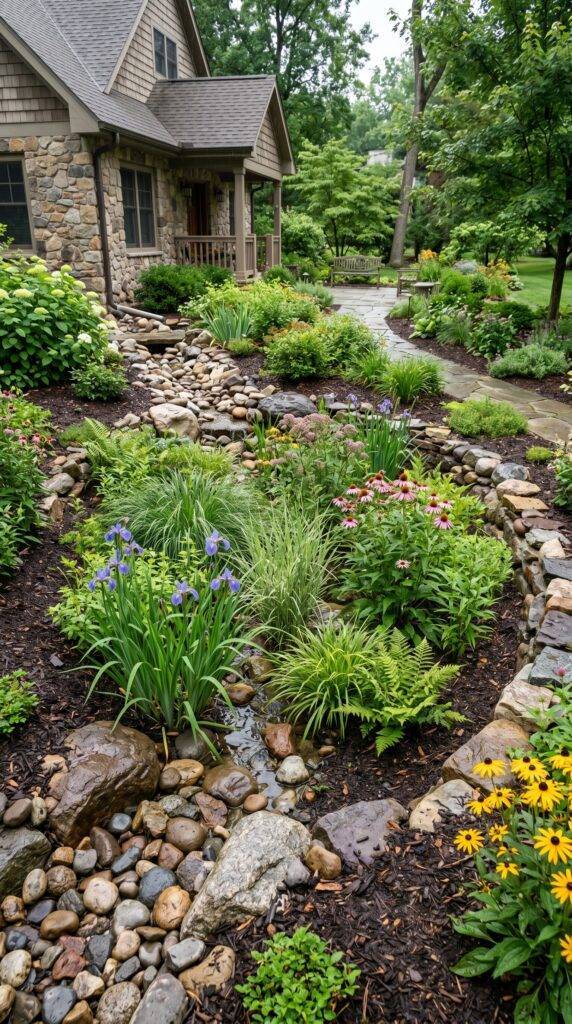
Construct specialized gardens designed to capture and filter rainwater runoff from roofs, driveways, and lawns while preventing erosion and water pollution. Locate rain gardens in natural depressions or created basins where water naturally collects, amending soil with compost to improve infiltration and drainage capacity. Plant water-tolerant native species that can handle both periodic flooding and dry periods, creating resilient gardens that manage variable moisture conditions effectively. Design gardens with appropriate sizing based on drainage area, ensuring they can handle expected water volumes without overflowing or causing problems elsewhere. Use mulch and stone elements that slow water flow, filter pollutants, and prevent soil erosion while adding aesthetic appeal to functional landscapes. These gardens provide environmental benefits by recharging groundwater, reducing stormwater runoff, and creating habitat while solving drainage problems elegantly.
20. Cutting Flower Gardens
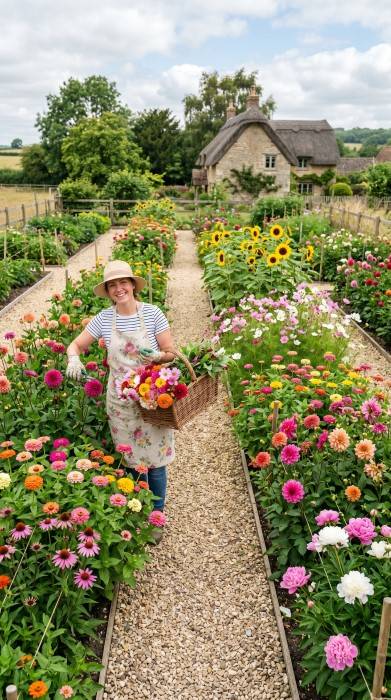
Dedicate garden areas specifically to growing cut flowers for bouquets and arrangements, ensuring fresh blooms for indoor enjoyment throughout the growing season. Plant successive crops of annual flowers like zinnias, cosmos, sunflowers, and dahlias that produce abundant blooms over extended periods with regular cutting. Include perennial cut flowers like peonies, daylilies, and coneflowers that return yearly, providing reliable blooms and reducing replanting requirements. Design cutting gardens with accessibility in mind, using wide pathways and organized beds that make harvesting easy without damaging surrounding plants. Practice deadheading and regular cutting that encourages continuous blooming, ensuring steady supplies of fresh flowers from early summer through fall frosts. These productive gardens provide beautiful bouquets for home decoration and gifts while supporting pollinators and adding vibrant color to outdoor spaces.
21. Succulent and Cactus Gardens
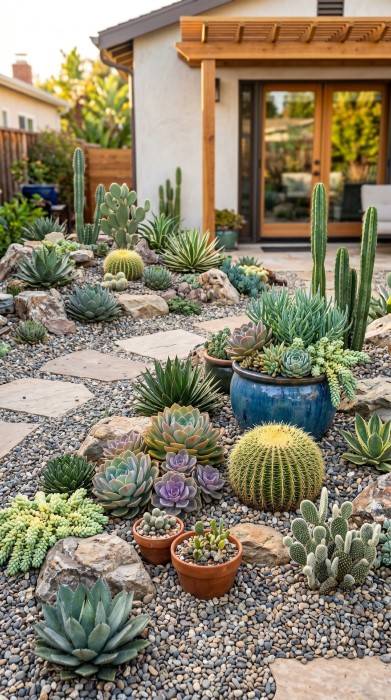
Create striking gardens featuring drought-tolerant succulents and cacti that provide architectural interest, unique textures, and year-round beauty with minimal water requirements. Arrange plants by water and light needs, grouping similar species together for easier care and more cohesive visual compositions in the garden space. Use well-draining soil mixes and gravel mulch that prevent root rot while enhancing the natural desert aesthetic of these specialized plantings. Incorporate containers, rock features, and decorative elements that complement succulent forms while adding height variation and focal points to garden designs. Select cold-hardy varieties appropriate for your climate that can survive winter conditions outdoors, or plan for seasonal protection and overwintering strategies. These low-maintenance gardens provide dramatic visual impact while requiring minimal watering, making them ideal for busy homeowners and water-conscious landscapes.
22. Garden Room Divisions
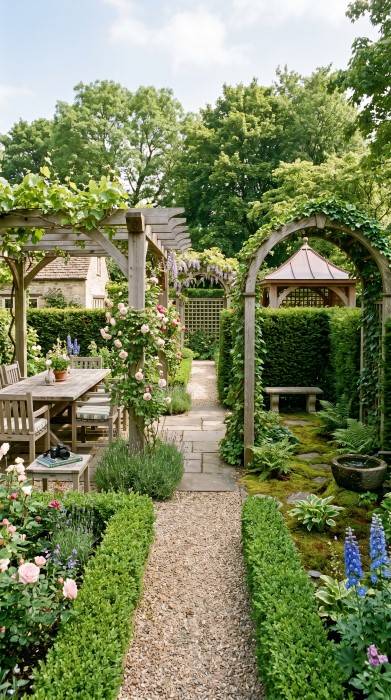
Divide larger garden spaces into distinct “rooms” using hedges, fences, trellises, or plantings that create intimate areas with different purposes and personalities. Design each room with a specific function like dining, entertaining, meditation, or play, furnishing and planting accordingly to support intended activities comfortably. Use architectural elements like arbors, gates, and pathways that create transitions between rooms while maintaining visual connections and flow throughout the landscape. Plant hedges or install screens that provide privacy and wind protection while defining spaces without completely closing them off from surrounding areas. Vary ceiling heights using trees, pergolas, or structures that create different feelings from open and airy to cozy and enclosed within the same property. This approach makes gardens feel larger and more interesting while providing diverse experiences and usable spaces for various activities and moods.
23. Wildlife Habitat Gardens
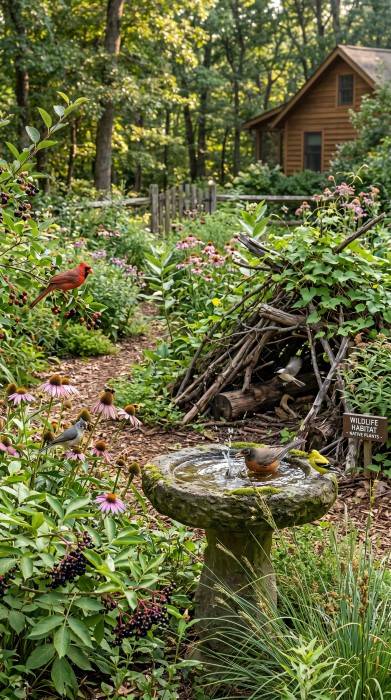
Develop gardens specifically designed to provide food, water, shelter, and nesting sites for local wildlife including birds, mammals, amphibians, and beneficial insects. Plant diverse native species that produce berries, seeds, and nectar throughout the growing season, ensuring continuous food sources for various wildlife species year-round. Install bird baths, small ponds, or water features that provide drinking and bathing opportunities while adding soothing sounds and visual interest to garden spaces. Leave some areas slightly wild with brush piles, leaf litter, and standing dead wood that offer shelter and nesting sites for creatures seeking safe havens. Avoid chemical pesticides and herbicides that harm wildlife, choosing organic methods and accepting some plant damage as part of supporting healthy ecosystems. These gardens create opportunities for wildlife observation and education while contributing to conservation efforts and biodiversity in developed areas.
24. Low-Maintenance Ground Cover Gardens
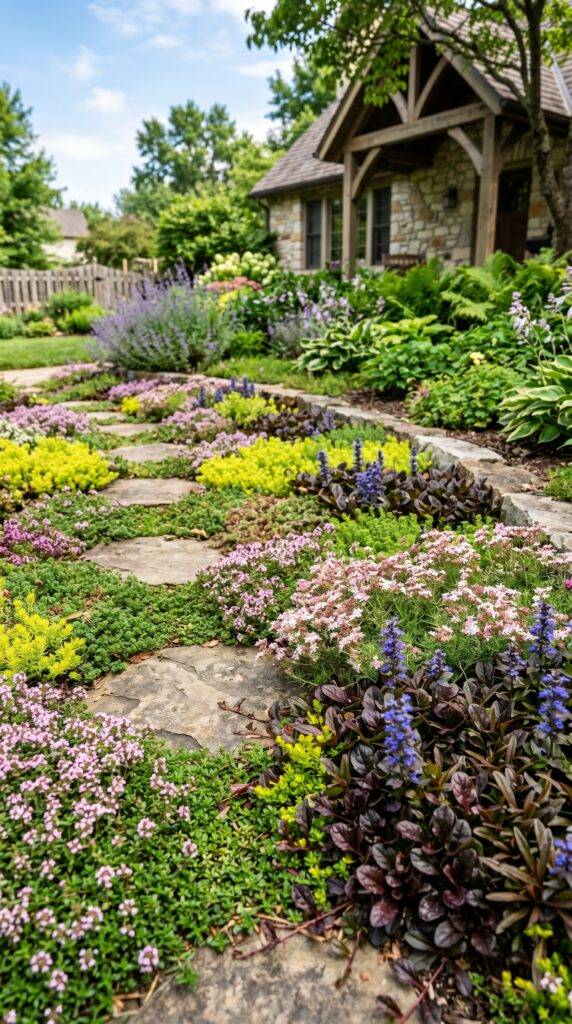
Replace high-maintenance lawns and bare areas with attractive ground cover plants that suppress weeds, prevent erosion, and create living carpets requiring minimal care. Select vigorous, spreading plants appropriate for your light conditions like creeping thyme, sedum, ajuga, or pachysandra that fill spaces quickly and densely. Choose ground covers with complementary colors, textures, and bloom times that create visual interest while performing practical functions in the landscape effectively. Plant densely initially to achieve quick coverage and weed suppression, using mulch between plants until they spread and fill in completely naturally. Select varieties appropriate for foot traffic if needed in play areas or pathways, or choose delicate types for purely ornamental applications where walking is limited. These gardens eliminate mowing, reduce watering needs, and create beautiful, functional landscapes that look polished with minimal ongoing maintenance.
25. Seasonal Transition Gardens
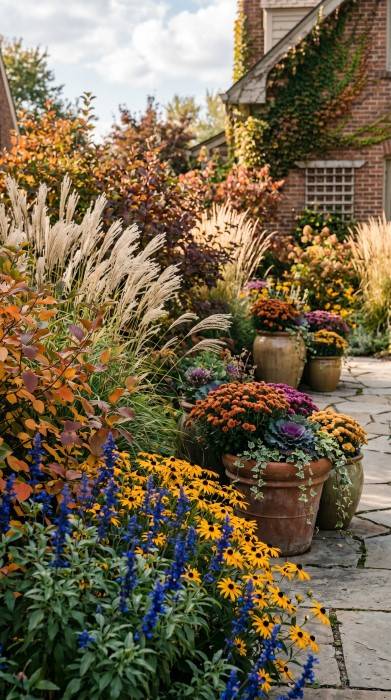
Plan gardens with plants and design elements that transition gracefully from summer vibrancy to fall richness without requiring complete seasonal overhauls or replanting. Choose plants with extended bloom periods or sequential flowering that carry color from summer into fall, like salvias, rudbeckia, and sedum that bloom for months. Incorporate plants with multi-season interest including ornamental grasses, shrubs with fall foliage, and perennials with attractive seed heads that persist beautifully into winter. Use container plantings that can be easily updated with fall mums, ornamental kale, and decorative elements as summer annuals finish their blooming cycles. Maintain structural elements like evergreens, hardscaping, and garden ornaments that provide continuity and framework as seasonal plantings change throughout the year. This strategic approach ensures gardens remain attractive and intentional across seasonal transitions while minimizing the work required to maintain curb appeal.
These 25 home garden ideas for 2026 offer practical, beautiful solutions for creating outdoor spaces that thrive from summer through fall with manageable effort. Each concept balances aesthetic appeal with easy maintenance, ensuring gardens remain vibrant and inviting throughout seasonal transitions. Whether you have expansive grounds or compact spaces, these adaptable strategies suit various skill levels, budgets, and climate conditions. The professional image prompts help visualize each idea clearly, making it easier to plan and implement your perfect garden transformation. Start designing your dream outdoor sanctuary today with these inspiring, seasonally-flexible concepts that celebrate natural beauty. Your beautiful, easy-care garden awaits creation with these expert-inspired ideas for modern homeowners.