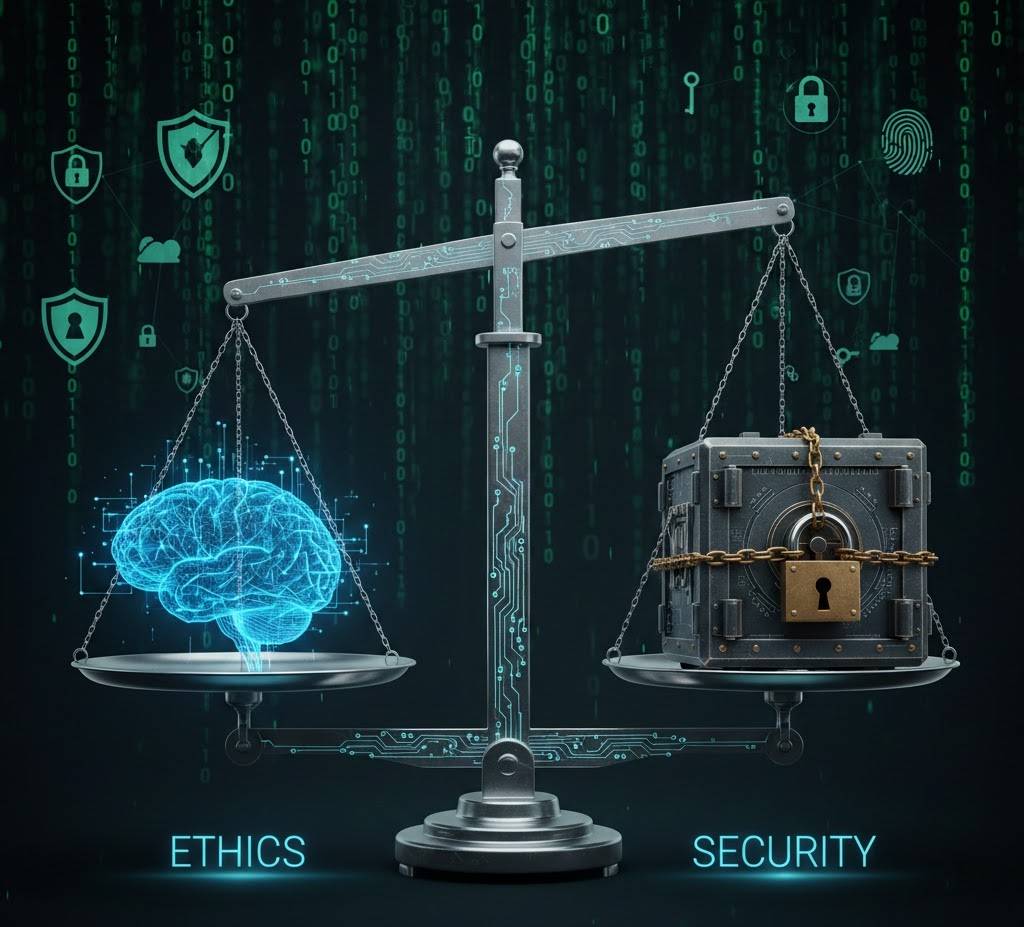
Hey there! In a world where AI is everywhere—from recommending your next Netflix binge to powering self-driving cars—data privacy has never been more crucial. But how do we ensure AI is ethical and secure without turning into Big Brother? This blog dives into best practices for building AI that’s not just smart, but also respectful of our personal info. We’ll keep it straightforward, like chatting over coffee, and I’ll suggest image ideas along the way with ready-to-use prompts for visuals that could jazz up the post.
Why Ethical AI and Data Privacy Matter
Imagine feeding an AI tons of data about people’s habits, health, or finances. It’s powerful stuff, but one leak or bias, and boom—trust is shattered. Ethical AI means designing systems that are fair, transparent, and accountable, while robust security protects that data from hackers and mishaps. According to experts, over 80% of consumers worry about how companies handle their data, so getting this right isn’t just good ethics; it’s good business.
Understanding Ethical AI Principles
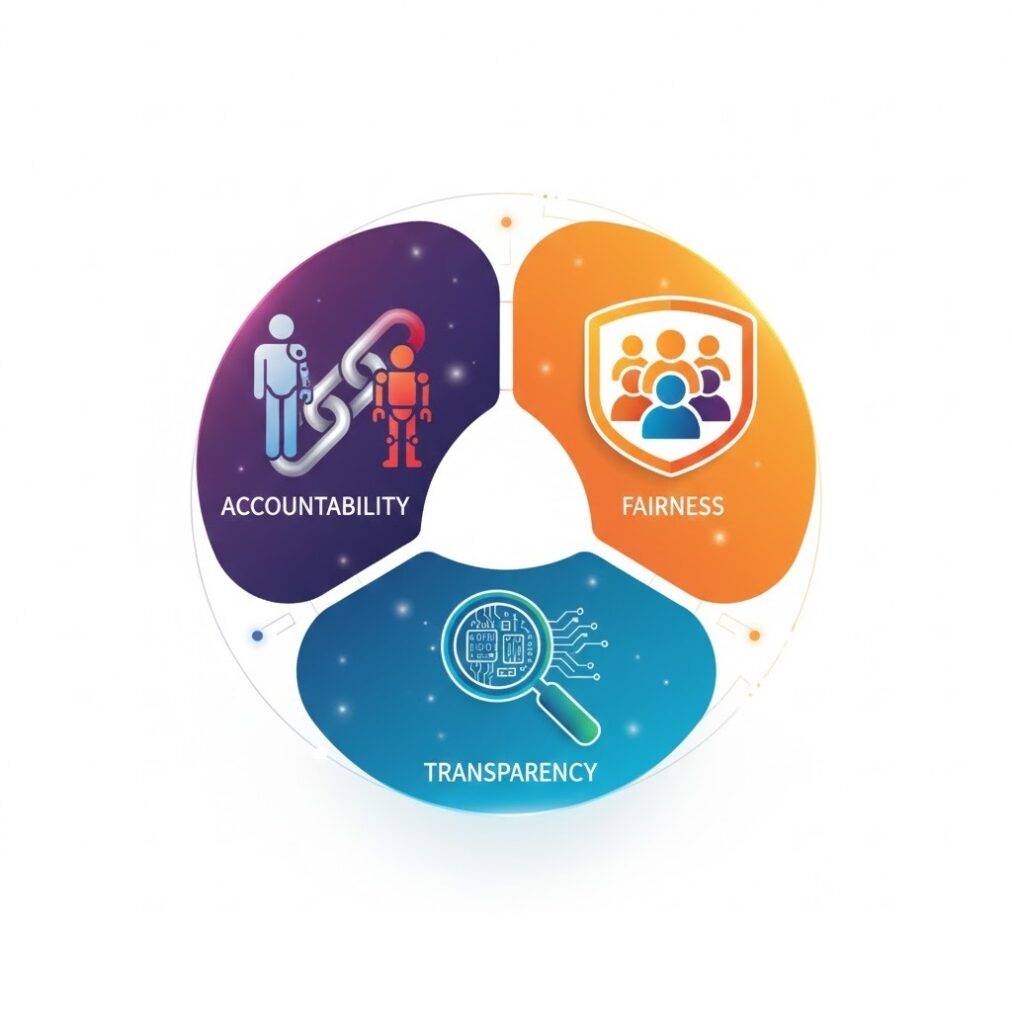
Ethical AI starts with core values. Think of it as the “golden rules” for tech:
- Fairness: Avoid biases that discriminate based on race, gender, or other factors. For example, train models on diverse datasets.
- Transparency: Users should know how AI decisions are made—no black boxes!
- Accountability: Who’s responsible if AI goes wrong? Developers, companies, or regulators?
By embedding these from the start, we prevent issues like facial recognition systems that misidentify certain groups.
Key Aspects of Data Privacy in AI
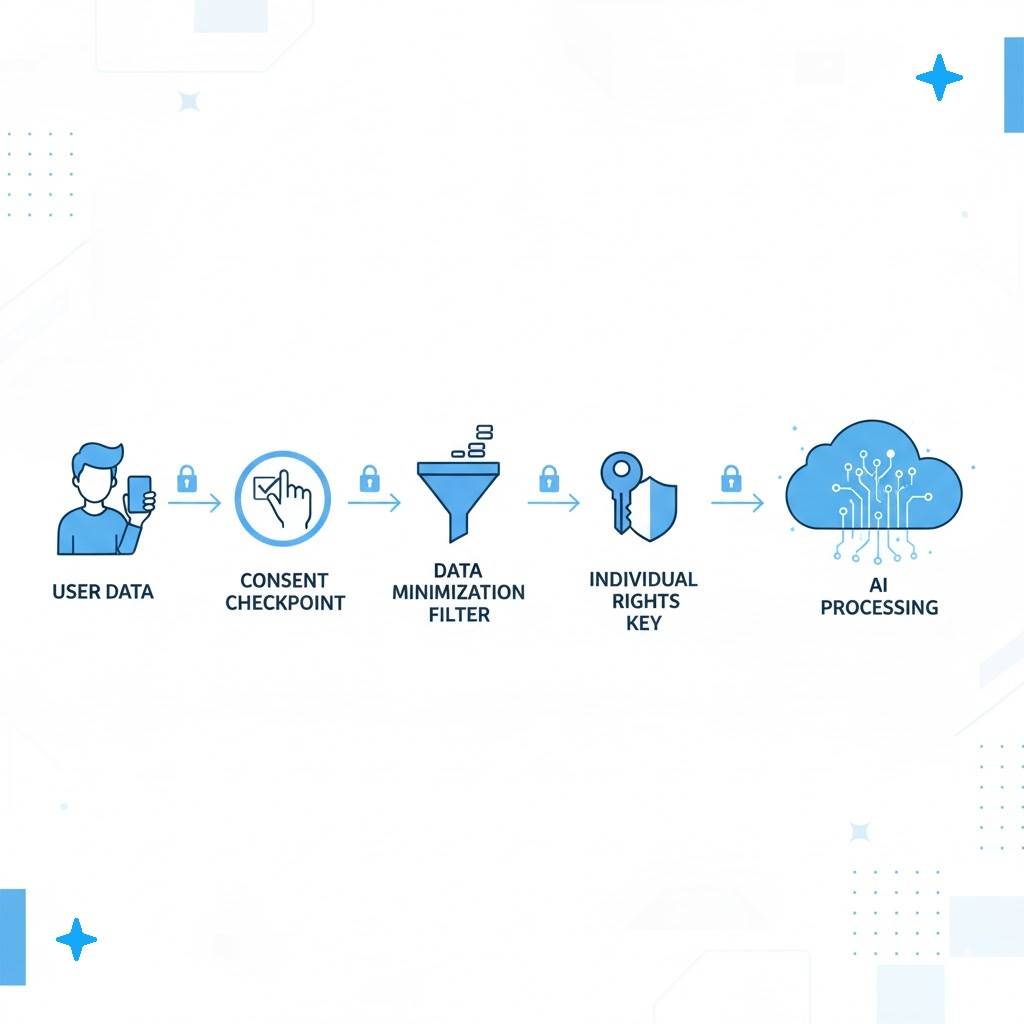
Data privacy isn’t just about passwords; it’s about consent, minimization, and rights. Laws like GDPR in Europe or CCPA in California set the bar high:
- Consent: Always get clear permission before collecting data.
- Data Minimization: Only gather what you need—why store someone’s entire life history for a simple app?
- User Rights: People should access, correct, or delete their data easily.
AI amps up the risks because it processes massive amounts of info, so privacy by design is key.
Best Practices for Ethical AI Development
Ready for actionable tips? Here’s how to build AI ethically:
- Diverse Teams and Datasets: Involve people from various backgrounds to spot biases early.
- Audits and Testing: Regularly check AI for fairness using tools like fairness metrics.
- Explainable AI (XAI): Use techniques that let humans understand AI outputs.
- Ethical Frameworks: Adopt guidelines from organizations like IEEE or the EU’s AI Act.
Start small: If you’re a developer, begin with open-source tools for bias detection.

Implementing Robust Security Measures
Security is your AI’s bodyguard. Best practices include:
- Encryption: Protect data in transit and at rest—like wrapping it in an unbreakable code.
- Access Controls: Use role-based permissions so not everyone can peek at sensitive info.
- Regular Updates and Monitoring: Patch vulnerabilities and watch for anomalies with AI-driven threat detection.
- Anonymization: Strip personal identifiers from data used in training.
Tools like federated learning let AI learn from data without moving it, keeping privacy intact.

Real-World Examples and Lessons Learned
Look at companies doing it right: Apple’s differential privacy adds noise to data for anonymity, while Google’s AI principles guide their projects. On the flip side, the Cambridge Analytica scandal shows what happens when privacy fails—massive fines and lost trust.
Lesson? Integrate ethics and security from day one, and involve ethicists in your team.

Conclusion: Building a Trustworthy AI Future
Ethical AI and robust security aren’t optional—they’re the foundation for innovation that benefits everyone. By following these best practices, we can harness AI’s power without compromising privacy. Start today: Review your own projects or advocate for better policies. What are your thoughts on AI privacy? Drop a comment below!
Thanks for reading! If you’re implementing these in your work, remember: A little ethics goes a long way in building trust.