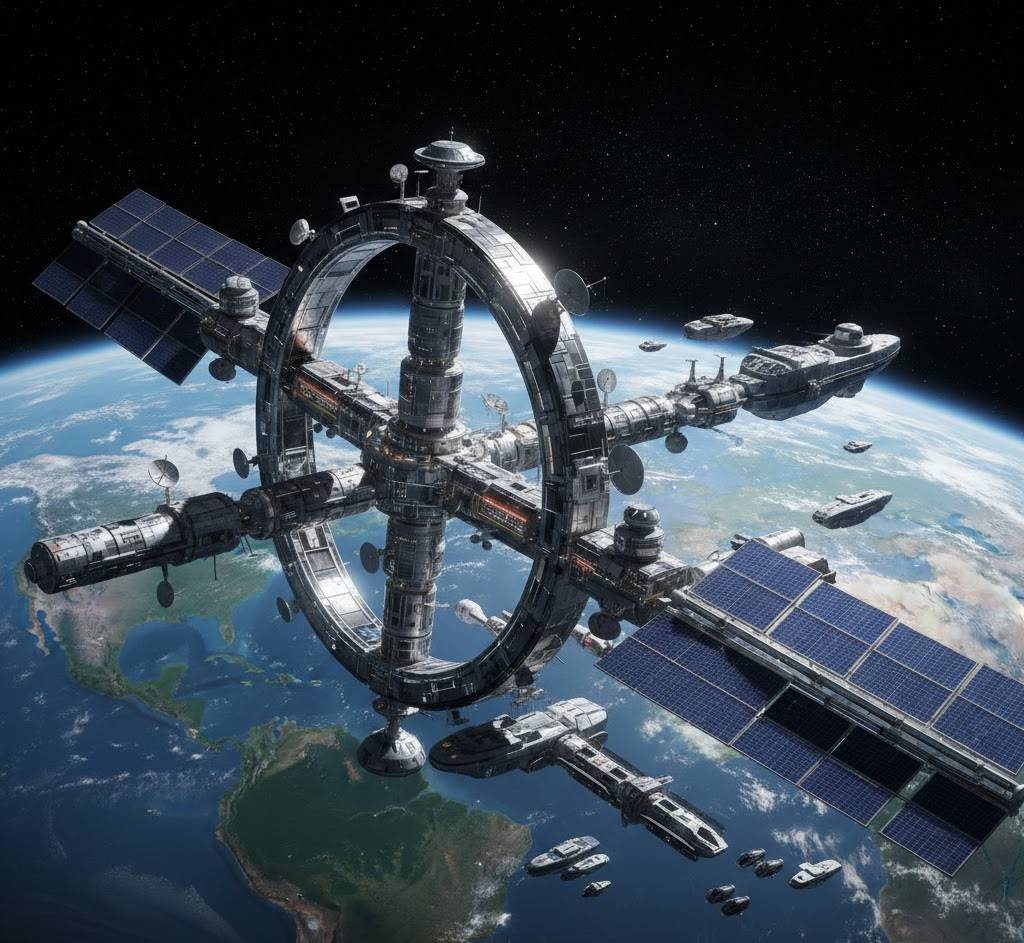
The International Space Station, humanity’s orbital outpost for over two decades, represents an extraordinary achievement. But it’s also a cramped, aging facility cobbled together from modules launched decades apart, with technology that predates smartphones.
The next generation of space stations won’t be mere upgrades—they’ll be complete reimaginings. Picture orbital hotels with Earth views from every room, research laboratories where gravity is optional, manufacturing facilities producing materials impossible on Earth, and residential modules designed not for short-term endurance but long-term living.
Welcome to the era of next-gen space stations: ultra-premium habitats where advanced engineering meets thoughtful design, where functionality doesn’t sacrifice beauty, and where living in space transitions from “survival” to “thriving.”
Let’s explore these magnificent structures through 8K renderings that capture every rivet, every window, every technological marvel in stunning clarity.
The Rotating Habitat Ring: Artificial Gravity Perfected
The most dramatic departure from current stations: massive rotating rings creating centrifugal force that mimics Earth’s gravity.
Why Rotation Changes Everything
Extended zero-gravity stays cause muscle atrophy, bone density loss, vision problems, and cardiovascular issues. The ISS crew exercises two hours daily just fighting deterioration. Rotating habitats solve this fundamentally.
The engineering: A ring 400 meters in diameter spinning at 2 RPM creates Earth-normal gravity at the rim. Residents live, work, and sleep in comfortable gravity while the station’s central hub remains in microgravity for specialized research and docking operations.
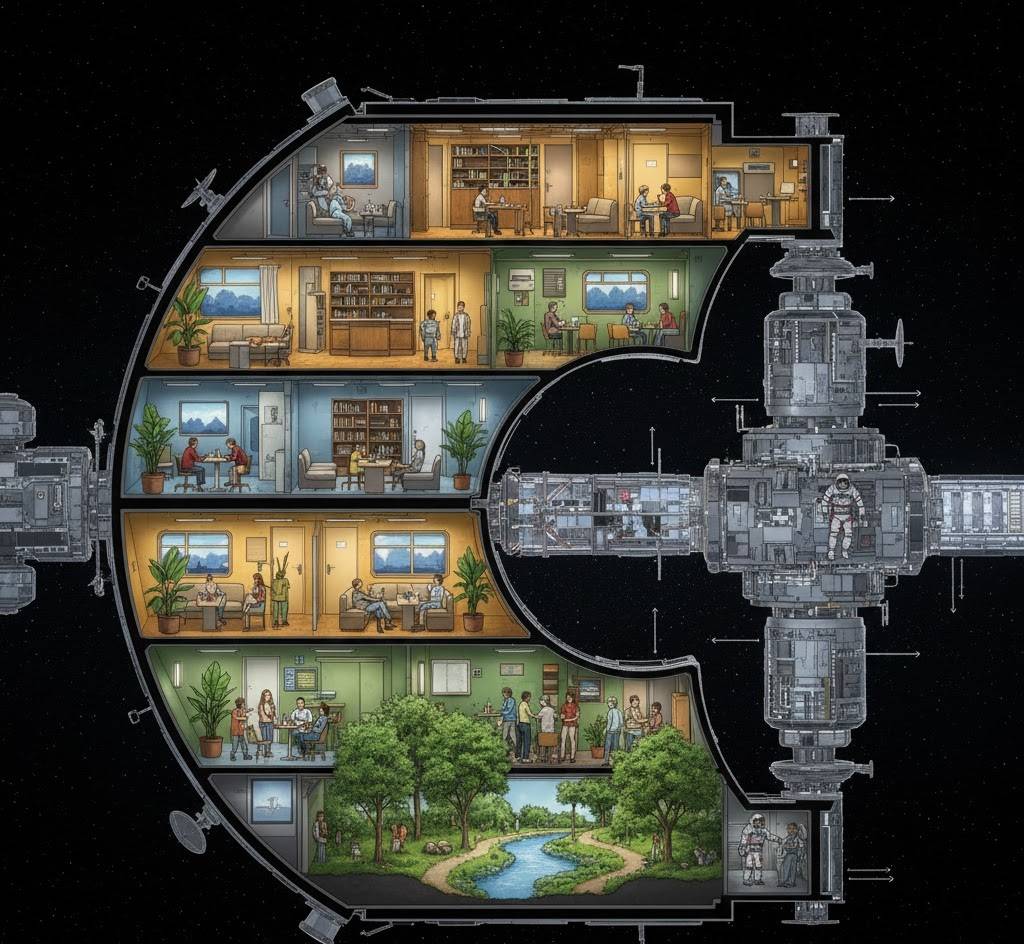
Living in the ring: Residents experience normal gravity—walk, sit, sleep naturally. Coffee pours predictably. Showers work without vacuum systems. Exercise maintains health rather than fights decay.
The transition zones: “Elevator” corridors along the spokes allow crew to travel from ring (gravity) to hub (zero-G) in minutes. The gradual reduction in artificial gravity as you approach the center creates fascinating transitional spaces where physics becomes optional.
Residential Modules: Space Living Reimagined
Forget the sleeping bags and cramped quarters of the ISS. Next-gen stations feature actual apartments with:
Private quarters (15-20 square meters per person): Real beds (not sleeping bags velcroed to walls), desks, storage, and most importantly—floor-to-ceiling windows offering unobstructed Earth views.
Shared common areas: Lounges with 180-degree viewing cupolas, dining facilities where meals are social occasions not functional refueling, recreational spaces with entertainment systems, libraries, and even gardens.
Full bathrooms: Real showers with water that actually falls, toilets that work normally, sinks and mirrors—basic dignities that current astronauts lack.
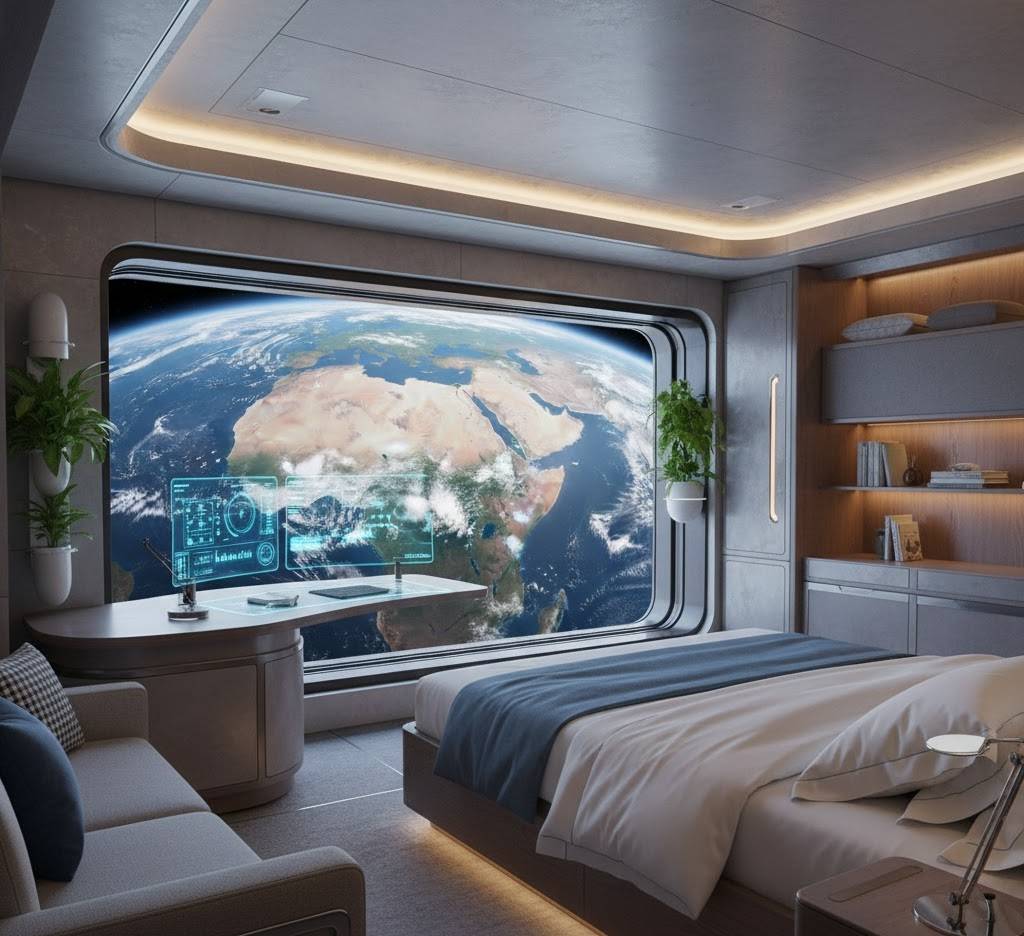
Design philosophy shift: From “how little space can humans tolerate?” to “how can we make space living genuinely pleasant?”
The result: Crew satisfaction increases dramatically. Longer missions become psychologically sustainable. Space stops being something to endure and becomes somewhere to genuinely live.
The Central Hub: Zero-Gravity Research Complex
While the ring provides comfortable living quarters, the station’s non-rotating central hub remains in microgravity—perfect for:
Scientific Research
Materials science: Creating alloys, crystals, and composites impossible under gravity’s influence. These materials return to Earth for use in everything from medical devices to aerospace components.
Biological experiments: Studying how organisms develop in weightlessness reveals fundamental principles of biology masked by gravity on Earth.
Pharmaceutical development: Protein crystal growth in microgravity produces larger, more perfect crystals than Earth-based methods—crucial for drug development.
Fundamental physics: Experiments requiring perfect isolation from gravitational interference.
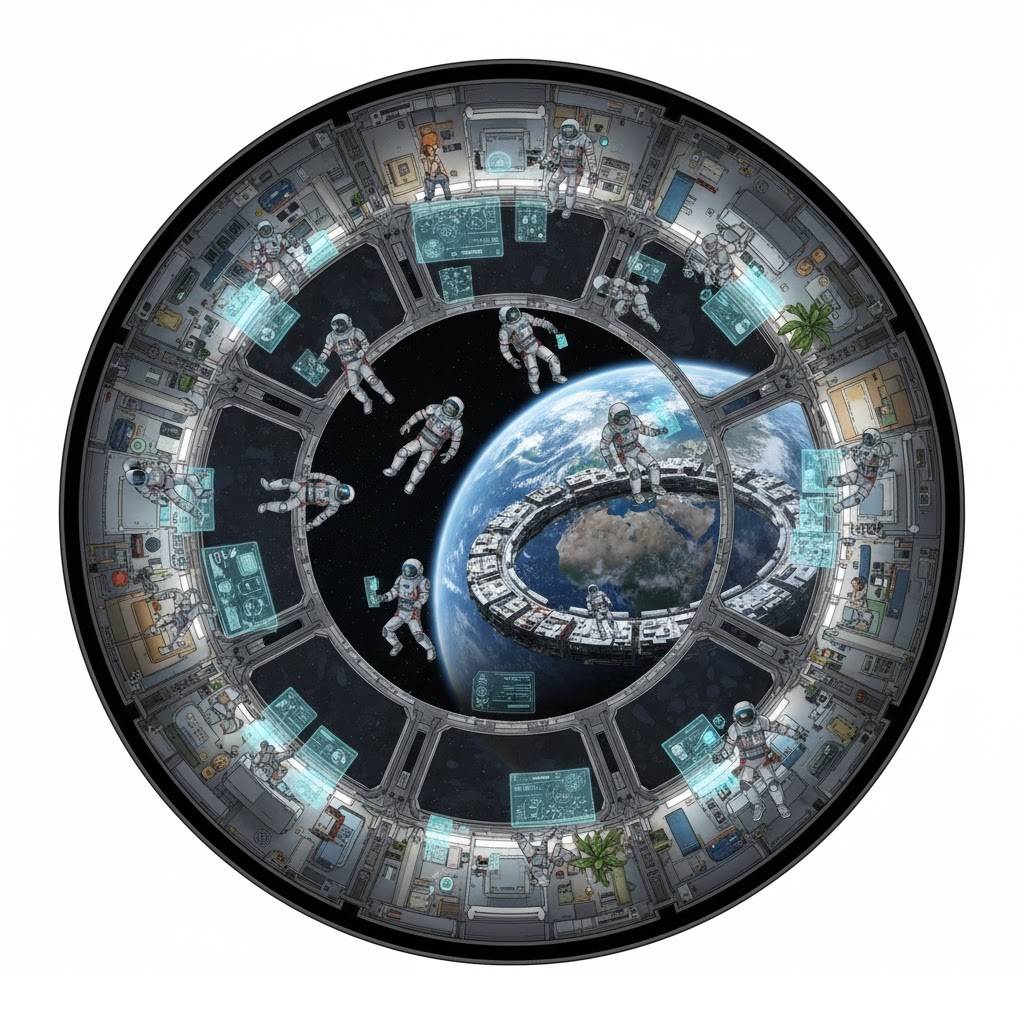
Manufacturing in Microgravity
The next-gen station includes orbital manufacturing facilities producing:
- Ultra-pure optical fibers
- Perfect ball bearings (impossible on Earth due to gravity-induced deformities)
- Specialized semiconductors
- Bioengineered tissues and organs
These aren’t just research projects—they’re commercial ventures making orbital manufacturing economically viable.
Modular Expansion: The Station That Grows
Unlike the ISS (largely complete), next-gen stations are designed for continuous expansion:
Standardized docking ports allow new modules to attach seamlessly. Need more residential space? Launch and dock a hab module. Want to add manufacturing capacity? Attach an industrial module. Research programs expanding? Add laboratory sections.
Plug-and-play infrastructure: Power, data, life support, and thermal management connections standardize across modules from different manufacturers. Like USB ports for spacecraft sections.
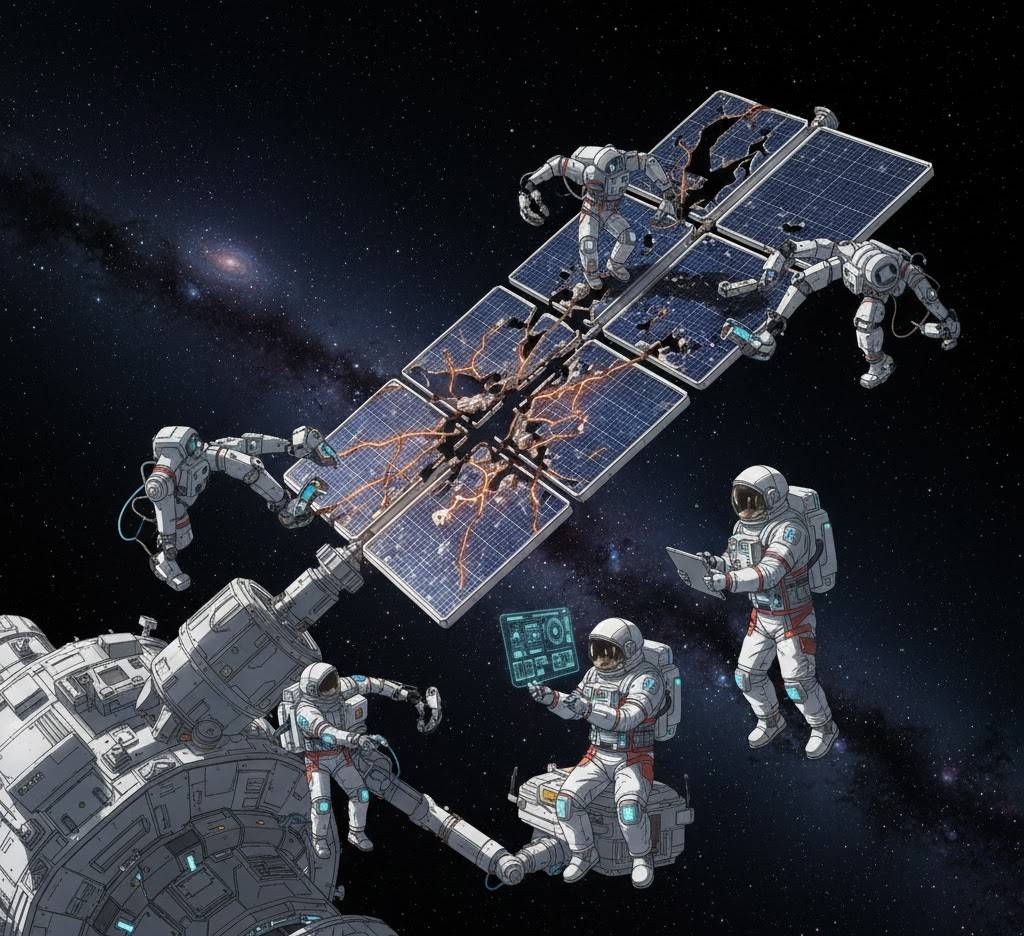
This approach means:
- Station evolves with needs rather than becoming obsolete
- Multiple nations or companies can contribute modules
- Damaged sections can be detached and replaced
- Continuous technological updates possible
Life Support: Closed-Loop Perfection
Current space stations depend heavily on resupply from Earth—water, oxygen, food, all shipped at enormous expense. Next-gen stations approach 95% self-sufficiency:
Water Recycling
Every drop of water—from showers, breathing, sweat—is captured, purified, and recycled. Next-gen purification systems produce water cleaner than Earth tap water. “Yesterday’s coffee becomes tomorrow’s coffee” without the psychological ick factor.
Oxygen Generation
Electrolysis systems split recycled water into hydrogen and oxygen. Oxygen for breathing, hydrogen either vented (on smaller stations) or stored for propulsion (on advanced designs).
Algae bioreactors supplement this, producing oxygen through photosynthesis while absorbing CO2 and providing edible biomass.
Food Production
Hydroponic gardens growing fresh vegetables supplement packaged supplies. Imagine eating a salad with lettuce harvested 30 minutes ago, 400 kilometers above Earth.
Cellular agriculture (cultured meat) provides protein without the impossibility of raising livestock in space.
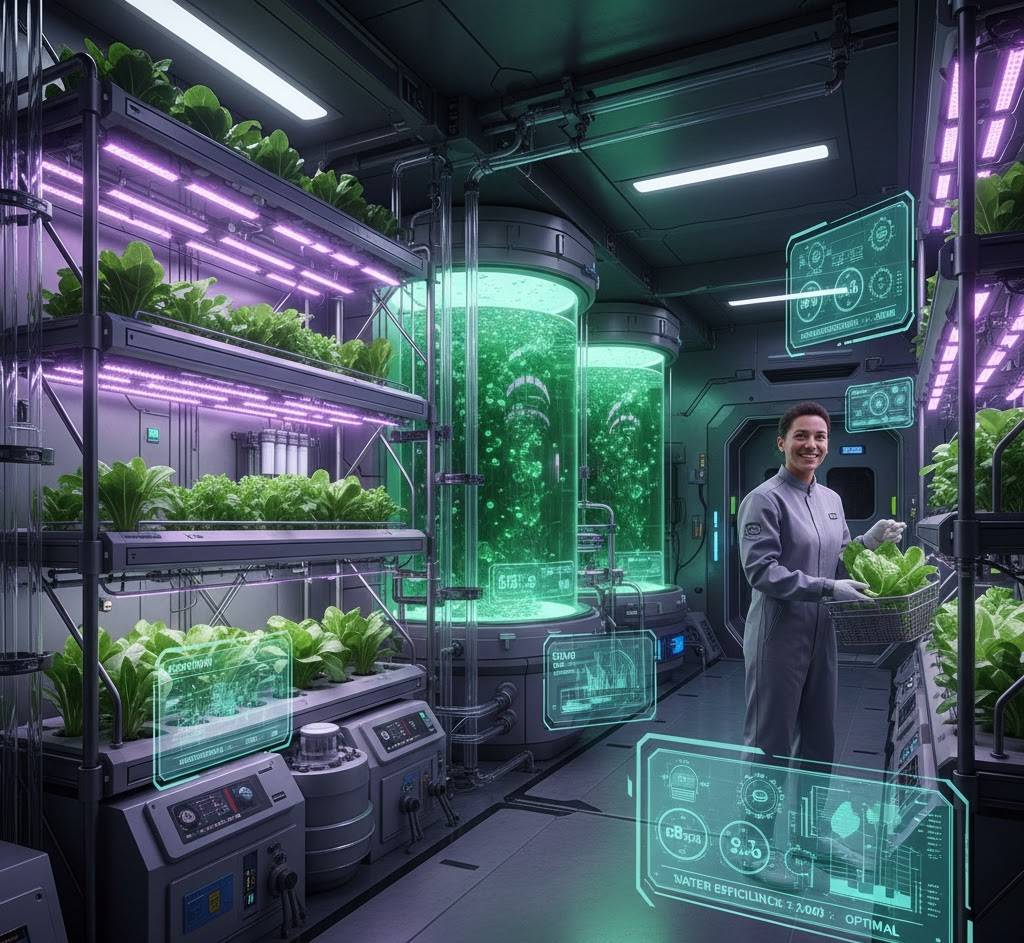
The goal: Resupply missions carrying primarily manufactured goods and specialized equipment rather than basic consumables.
Docking Complex: Gateway to Orbit
The station serves as orbital hub for:
- Crew transfer vehicles from Earth
- Cargo resupply spacecraft
- Tourist craft (space hotels book up years in advance)
- Interplanetary vessels using the station as assembly and departure point
- Satellite servicing missions
Advanced docking systems accommodate multiple simultaneous arrivals, with dedicated ports for different vehicle classes.
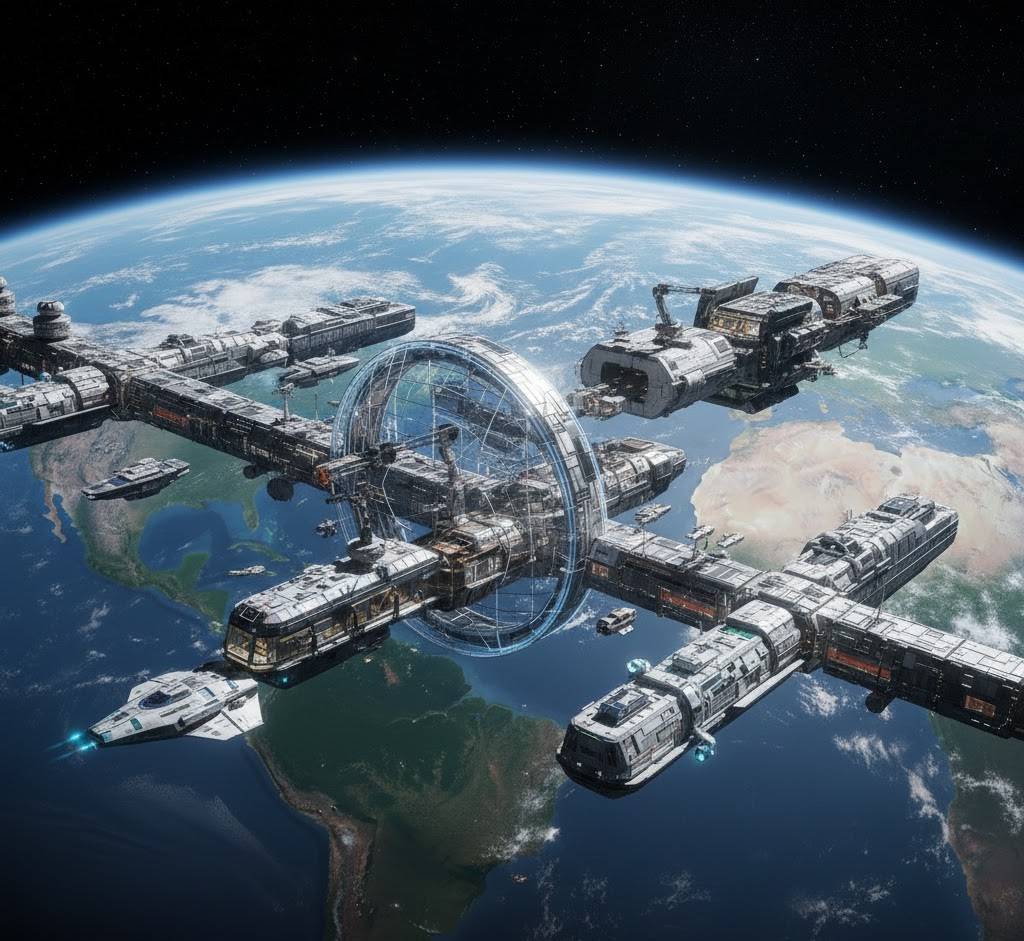
The complexity: Coordinating approach trajectories, preventing thruster exhaust from hitting other craft, managing transfers of crew and cargo—all automated by advanced AI systems but supervised by human controllers.
Power Systems: Abundant Energy
Current stations are power-limited. Next-gen stations generate abundant clean energy:
Solar arrays: Massive wings of ultra-efficient photovoltaics generating hundreds of kilowatts. Unlike Earth, space offers 24/7 sunlight (mostly) with no atmospheric losses.
Energy storage: Advanced battery systems or even flywheels store energy for eclipse periods when Earth blocks the sun.
Wireless power transmission: Experimental systems beam power between modules, eliminating cable runs.
Nuclear option: Some designs include small space-rated nuclear reactors providing baseload power independent of solar position.
Abundant power enables: Comfortable temperatures, extensive computing infrastructure, manufacturing operations, and even frivolous luxuries like entertainment systems and mood lighting.
The Observation Deck: Humanity’s Best View
Perhaps the most beloved feature: A dedicated observation module with 360-degree panoramic windows.
The Cupola on steroids: While the ISS’s Cupola (a small windowed module) is astronauts’ favorite spot, next-gen stations feature observation decks 10 meters in diameter where dozens of people can gather.
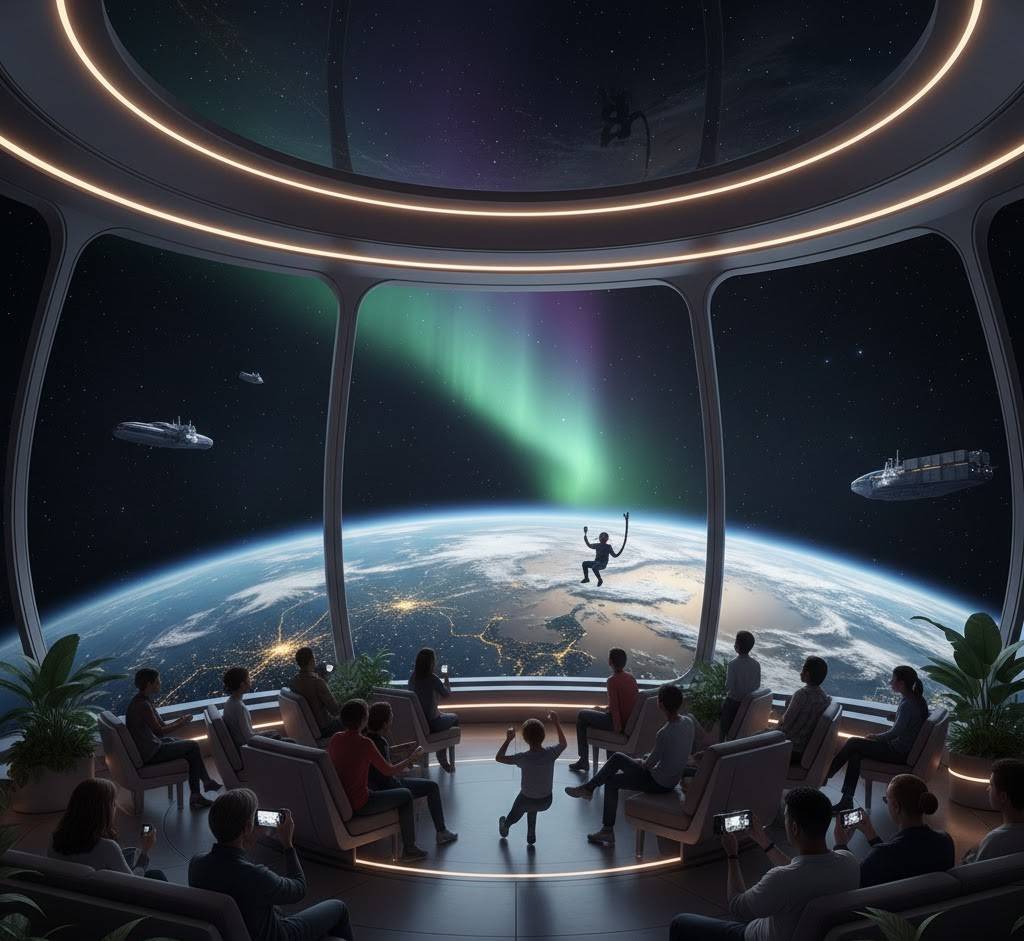
Uses beyond tourism: Scientific Earth observation, educational broadcasts, psychological wellness (connection to Earth proven crucial for mental health), and simply because after spending billions on a space station, you should be able to enjoy the view.
Communication and Computing
Next-gen stations are data hubs:
High-bandwidth Earth links: Laser communication systems providing gigabit speeds—enough for real-time video conferences, 4K video streaming, and massive data transfers.
Autonomous operations: Sophisticated AI monitors systems, optimizes resource usage, predicts maintenance needs, and handles routine decisions without ground control involvement.
Quantum-encrypted communications: Protecting commercial and military operations from interception.
Computing power: Not just for station operations but serving as orbital cloud computing centers—data processing in space offers unique advantages for certain applications.
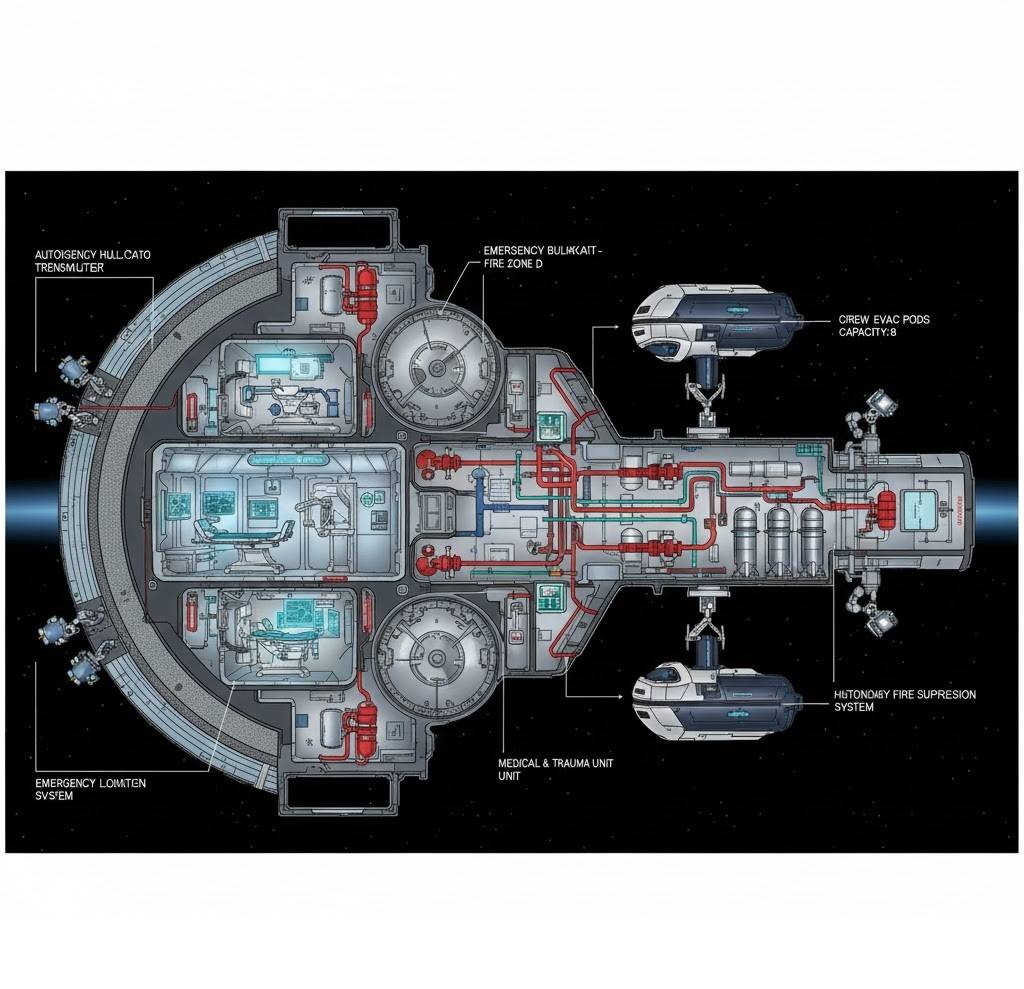
Safety Systems: Redundancy and Resilience
Space is unforgiving. Next-gen stations incorporate multiple protective layers:
Micrometeorite shielding: Advanced Whipple shields dissipate impacts from space debris.
Compartmentalization: Breach in one section? Automatic bulkheads seal it off, preserving the rest of the station.
Multiple escape vehicles: Enough capacity for every crew member and visitor to evacuate within minutes.
Repair robots: Autonomous drones that patrol exterior surfaces, detecting and repairing minor damage before it becomes critical.
Medical facilities: Complete surgical capability, telemedicine links to Earth specialists, and pharmaceutical production for emergency medication.
The Commercial Reality: Who Pays?
These stations aren’t cheap. Estimated costs: $50-100 billion to construct and deploy. Funding comes from:
Government partnerships: NASA, ESA, JAXA, other space agencies sharing costs and research access.
Commercial operators: Private companies (SpaceX, Blue Origin, Axiom Space) building and operating stations for profit.
Space tourism: Ultra-wealthy paying $50-100 million for week-long stays, with prices dropping as capacity increases.
Manufacturing revenue: Orbital-produced materials commanding premium prices on Earth.
Research licensing: Pharmaceutical and materials science breakthroughs generating licensing fees.
Media and entertainment: Filming locations for movies, TV shows, commercials—unique content worth premium rates.
Break-even timeline: 15-20 years with robust commercial utilization.
Who Lives There?
Next-gen stations host diverse populations:
Career astronauts: Professional crews managing operations, conducting research, ensuring safety. Rotations: 6-12 months.
Scientists: Researchers from various disciplines conducting experiments impossible on Earth. Rotations: 3-6 months.
Commercial staff: Manufacturing technicians, hospitality workers, medical personnel. Rotations: 4-8 months.
Tourists: Wealthy adventurers paying for the ultimate vacation. Duration: 1-2 weeks.
Long-duration residents: Individuals or families living in space semi-permanently. Duration: Years.
By 2040, permanent populations of 50-100 per station are projected, with hundreds more visiting annually.
The Cultural Impact: Seeing Earth Whole
The Overview Effect—the cognitive shift reported by astronauts who see Earth from space—becomes accessible to thousands.
Seeing our planet as a fragile blue marble in the void, where borders are invisible and humanity appears as one species sharing one home, transforms perspective.
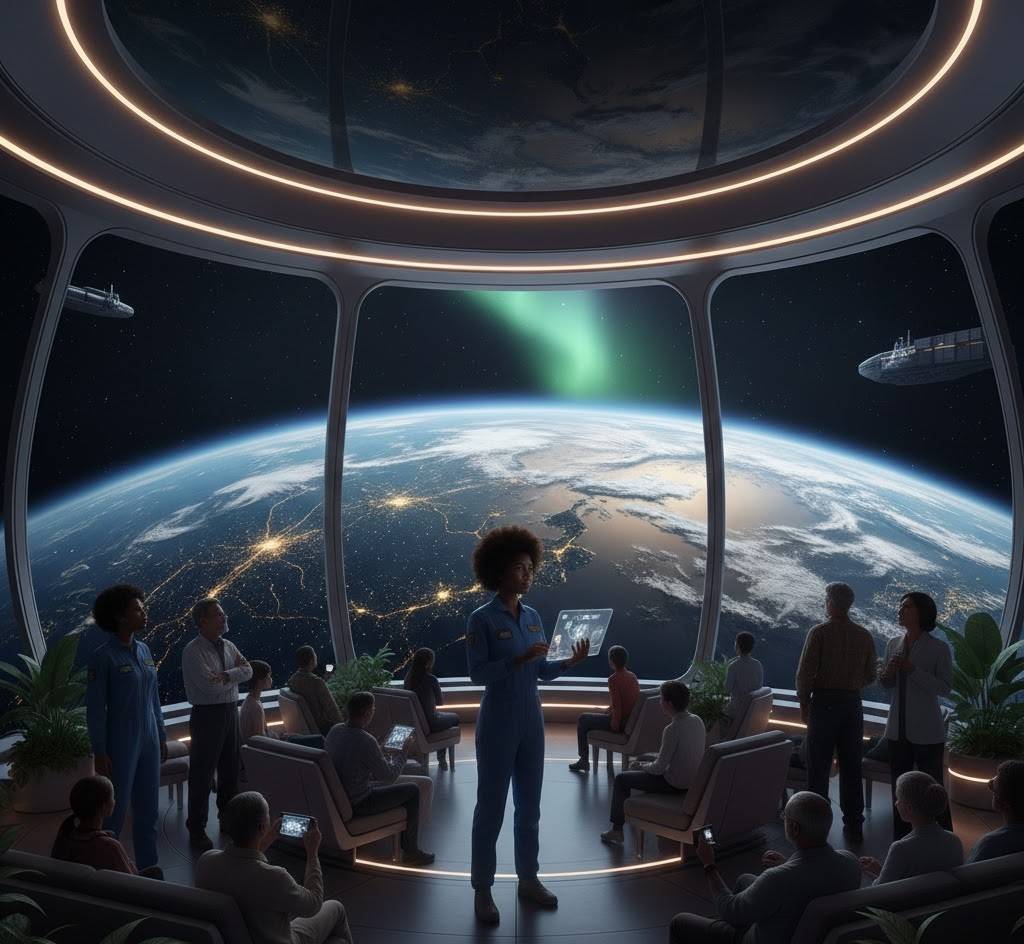
Next-gen stations aren’t just engineering marvels—they’re cultural catalysts, expanding human consciousness by offering more people the transformative experience of seeing home from outside.
The Timeline: When This Becomes Real
2025-2030: Axiom commercial modules attach to ISS, testing technologies and business models.
2028-2032: First dedicated commercial stations launched, initially small-scale with 6-12 occupants.
2032-2040: Larger stations with rotating habitats and advanced manufacturing become operational.
2040-2050: Multiple competing stations, permanent populations exceeding 100 per station, robust tourism and industry.
2050+: Stations as construction sites for interplanetary vessels, departure points for Mars missions, and permanent orbital cities.
The Ultimate Achievement
Next-gen space stations represent humanity’s transition from visiting space to inhabiting it.
The 8K renderings showcasing these magnificent structures aren’t fantasies—they’re blueprints. The technology exists. The economics increasingly make sense. The vision is clear.
These orbital palaces where gravity is optional, where Earth views never get old, where science fiction becomes daily life, where humanity takes its next evolutionary step—they’re coming.
And when you see one in 8K clarity, every detail perfect, every reflection accurate, every rivet rendered, you understand: We’re not just building space stations. We’re building humanity’s future homes among the stars.